

As a senior SEO strategist working closely with home service businesses and analyzing real homeowner search behavior, I have seen a clear pattern. Most major roofing expenses come from problems that could have been detected early. My work with roofing-related content and service pages consistently shows that preventive maintenance is what homeowners overlook the most.
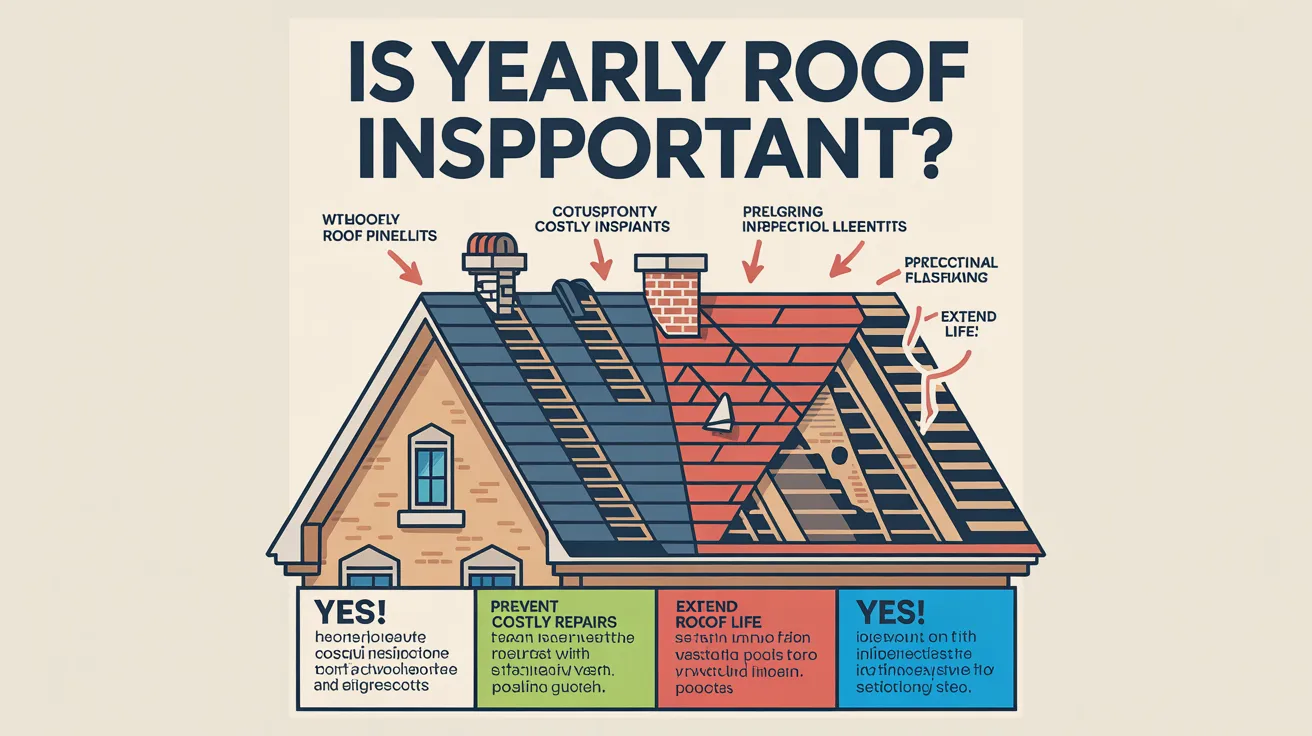
Yes, yearly roof inspection is important because it helps detect early damage, prevent costly repairs, extend roof lifespan, and protect your home from structural issues.
Why should homeowners get a yearly roof inspection?
A yearly roof inspection helps identify small issues before they become expensive problems.
Most roofing damage starts small. Cracked shingles, loose flashing, or minor leaks are often invisible until they worsen.
What a yearly inspection can uncover:
- Missing or damaged shingles
- Early-stage leaks and moisture buildup
- Flashing damage around vents and chimneys
- Gutter blockages affecting drainage
- Signs of mold or wood rot
Key takeaway: Early detection can reduce repair costs by thousands.
What happens if you skip roof inspections?
Skipping inspections increases the risk of serious structural damage and higher repair costs.
When issues go unnoticed, they spread beyond the roof into walls, insulation, and ceilings.
Common consequences:
- Water damage inside ceilings and walls
- Mold growth that affects air quality
- Weakening of roof decking
- Higher energy bills due to insulation damage
A minor issue left unchecked for one to two years can lead to full roof replacement.
How often should a roof be inspected?
Roofs should be inspected at least once per year and after major weather events.
Recommended schedule:
- Once annually for general maintenance
- After storms, hail, or heavy wind
- Before buying or selling a property
For roofs older than ten years, consider inspections twice per year.
Are professional inspections better than DIY checks?
Yes, professional inspections are more accurate, detailed, and safer than DIY checks.
While homeowners can perform basic visual checks, professionals identify hidden issues.
Comparison:
FactorDIY InspectionProfessional InspectionSafetyRisk of injurySafe and trainedDetail levelSurface-levelComprehensiveHidden damageOften missedProperly identifiedCostFreeLow compared to repairs
Key takeaway: Professional inspections prevent expensive surprises.
Does a yearly roof inspection actually save money?
Yes, yearly inspections significantly reduce long-term roofing costs.
Cost comparison:
- Early repair: $100 to $500
- Moderate repair: $1,000 to $5,000
- Full replacement: $8,000 to $20,000 or more
Spending a small amount annually can prevent large, unexpected expenses.
When is the best time of year for a roof inspection?
Spring and fall are the best times for roof inspections due to mild weather conditions.
Ideal timing:
- Spring to assess winter damage
- Fall to prepare for harsh weather
Avoid extreme heat or rainy seasons for inspections.
Should you hire affordable roofing contractors?
Yes, hiring experienced and affordable professionals ensures quality work without overspending.
When searching for Affordable Roofing Contractors San Antonio, focus on:
- Proven experience and certifications
- Transparent pricing
- Detailed inspection reports
- Strong customer reviews
Choosing the cheapest option without checking quality often leads to higher costs later.
Does roof inspection increase home value?
Yes, regular roof inspections improve property value and buyer confidence.
Benefits when selling:
- Shows proof of proper maintenance
- Reduces buyer concerns
- Helps justify a higher asking price
- Minimizes negotiation issues
A well-maintained roof is a strong selling point.
Final thoughts
Yearly roof inspections are a preventive investment, not an optional expense.
They help you:
- Extend the life of your roof
- Avoid costly repairs
- Protect your home’s structure
- Maintain property value
Ignoring inspections may save money short term but creates higher long-term risk.
