

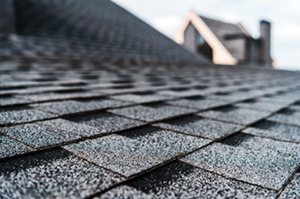
The roof has always been a structural necessity, but its role in architectural thinking has shifted considerably. Where it was once treated as a utilitarian conclusion to a building’s form, it is now understood as an active component of how a building performs, how it ages, and how it reads within its environment.
That shift reflects a broader change in how architects, builders, and clients evaluate building systems. Energy codes have grown stricter, climate pressures have intensified, and material science has advanced. The decisions made at the envelope level now carry real consequences for long-term performance.
The Roof as a Design System, Not a Finish
One of the more consequential changes in contemporary building practice is treating the roof as an integrated system rather than a surface applied at the end of construction. A roofing system includes the structural deck, insulation layer, underlayment, and weatherproofing membrane or cladding, plus in some cases vegetative layers or photovoltaic panels. Each element influences the others: insulation type affects deck specification, cladding affects underlayment requirements, and drainage strategy affects load distribution.
When these decisions get made in sequence rather than in concert, the result is a roof that functions adequately but misses the performance ceiling available when the system is designed holistically. In a climate like Upstate South Carolina, where summer heat load is sustained, humidity is high, and severe weather is a regular variable, that gap in performance has real consequences. Roofing companies in Greenville working at the commercial and institutional level increasingly treat those conditions as a starting point for system specification, not an afterthought.
Material Selection and Thermal Performance
The thermal performance of a roof assembly is one of the most consequential factors in a building’s overall energy profile. In hot and mixed climates, the roof manages a substantial portion of the building’s cooling load. The material choices made at the cladding level directly affect how much solar energy enters the assembly and how quickly it dissipates. Three systems dominate high-performance work:
- Metal roofing. Standing seam steel and aluminum profiles offer high solar reflectance, low thermal mass, and long service lives. Their linear geometry integrates cleanly with contemporary architectural language, making them a common choice on institutional, commercial, and high-end residential projects.
- Cool roof membranes. TPO and PVC single-ply systems reflect a high percentage of incoming solar radiation and emit absorbed heat efficiently, keeping surface temperatures significantly lower than conventional dark-membrane systems.
- Vegetative roofing. Green roofs manage thermal load through evapotranspiration, produce a cooling effect in warm months, manage stormwater at the source, and introduce ecological value to the envelope. The structural and waterproofing requirements are more demanding, but the performance and design integration are unmatched.
Slope, Geometry, and Architectural Expression
Roof geometry is one of the more expressive decisions in building design, carrying performance implications that run deeper than drainage. Slope determines which cladding systems are appropriate, how the building reads from a distance, and how interior volumes are shaped:
- Steep-slope roofs. The pitch creates opportunities for habitable attic space, vertical presence, and material choices like slate and metal shingles that perform well with visible texture. In contexts where a building negotiates between a contemporary program and a traditional setting, a well-resolved steep-slope roof does significant mediating work.
- Low-slope and flat roofs. The standard for commercial and modernist residential construction. The accessible roof plane suits equipment placement, rooftop programming, and green roof installation, though waterproofing demands and the consequences of system failure are higher than on steep slopes.
- Mono-pitch and shed profiles. The single slope reads as modern and restrained, allows for high clerestory glazing, and gives the building a directional quality that can orient the structure toward views, prevailing breezes, or solar angles.
Durability, Maintenance, and the Lifecycle Lens
High-performance roofing is about how a system performs over 30, 50, or 70 years and what that costs over time. A material with a low upfront cost but a 15-year service life requires two or three replacements over the period a premium system covers once, each carrying material, labor, and disruption costs. Service life and maintenance demands vary significantly:
- Metal roofing. Service lives of 40 to 70 years. Periodic inspection of fasteners and sealants; no surface treatments required under normal conditions.
- Synthetic slate and composite shake. Comparable longevity for steep-slope applications without the structural load demands of natural stone.
- TPO and PVC membranes. 20 to 30 years on low-slope applications when properly detailed. Require periodic surface inspection as the membrane ages.
- Vegetative roofs. The highest maintenance demand of any system: drainage inspection, plant management, and ongoing monitoring of the waterproofing layer beneath.
- Built-up and modified bitumen systems. Regular surface inspection and periodic recoating required. Service life typically 15 to 25 years depending on installation quality and climate exposure.
Integration with Building Systems and Sustainability Goals
The roof is increasingly expected to do more than protect the building from weather. In high-performance and net-zero projects, it is a site for energy generation, water collection, and ecological restoration.
Photovoltaic integration has moved from afterthought to design-phase consideration. Building-integrated photovoltaics embed solar cells directly into roofing materials, including standing seam panels and tiles, eliminating the visual and structural intrusion of rack-mounted systems. A roof that generates energy without announcing itself reads very differently than one with modules bolted above the cladding.
Rainwater harvesting and green roof installation follow the same logic: they perform best and integrate most cleanly when they enter the design brief early. A roof designed with any of these systems in mind carries different structural, electrical, and waterproofing specifications than one where they are added after the fact.
What the Roof Communicates
Beyond performance, the roof communicates something about the building’s relationship to its context and climate. A standing seam metal roof on a rural structure reads as durable and honest. A white TPO membrane signals efficiency and discipline. A vegetative roof signals ecological commitment in a way no other building element quite replicates.
The most resolved roofing decisions are the ones where performance requirements and expressive qualities work in the same direction. That alignment rarely happens by default, but when the roof enters the design conversation early and is specified and installed by people who understand the system, it happens more often than not.
