

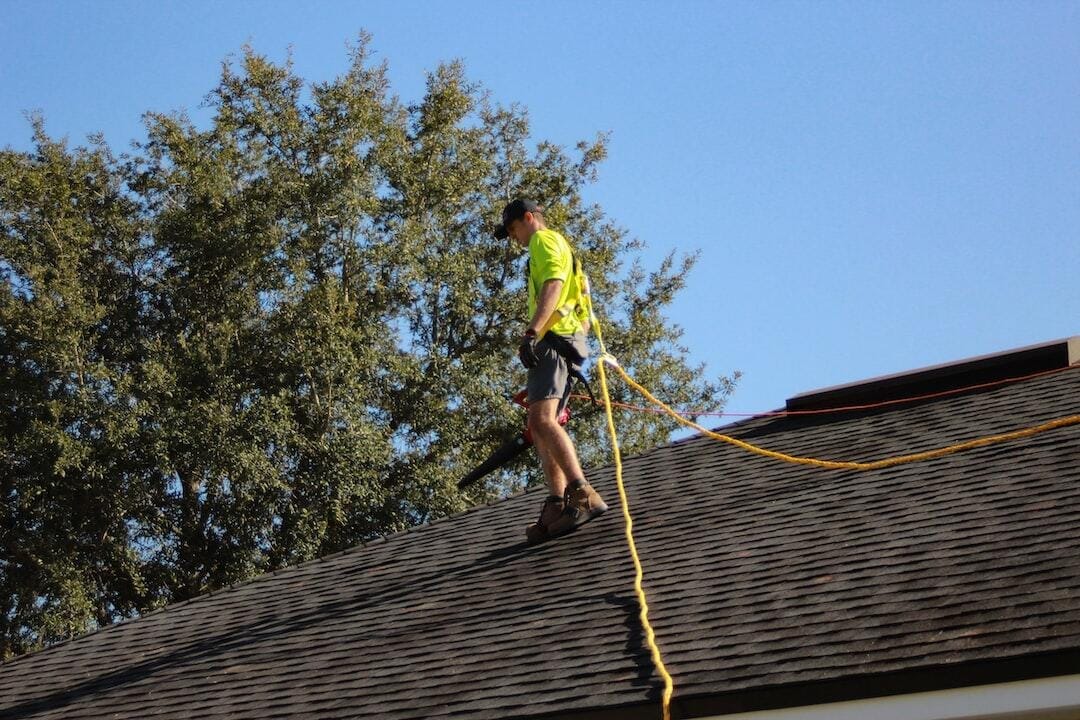
Replacing a roof is a big upgrade for any homeowner. The work brings noise, dust, and heavy machines to your property for several days.
A little planning helps you avoid stress and stops accidental damage to your things. From clearing your driveway and safeguarding valuables to protecting your landscaping and informing your neighbors, taking a few proactive steps before work begins can make the roof replacement process more efficient and less stressful. When you get your space ready ahead of time, you help the construction crew and protect your investment.
A few simple steps can turn a messy remodel into a smooth, well-run project. Read on!
Clear the Yard and Driveway
If you live along the Wasatch Front, you know the strong canyon winds test the limits of local homes. When you need to hire a roofing company in Draper, getting your property ready before they arrive is the best way to avoid damage. This easy prep work protects your property and helps the crew finish without delays.
A new roof often costs around $12,000. It needs plenty of open staging space near your home. Move patio chairs, grills, and potted plants away from the house walls.
These items can break if shingles or wood slip during the tear-off. Store them in a shed or garage to keep them clean and out of the danger zone.
Your yard needs care during this big project, too.
Cover tender flower beds and shrubs with strong tarps or plywood to shield them from falling nails and heavy trash. Cut your grass short before the work starts, and this makes it much easier for the crew to find stray metal with their magnetic sweepers. A well-trimmed lawn keeps small bits from hiding in the grass.
Protect Items in the Attic
Tearing off old shingles shakes the whole house without stopping. These shakes travel down the roof beams and can rattle things stored on the top floor. Dust, old nails, and small wood chips often drop through gaps in the ceiling boards, and this mess can land on your stored items.
Roofing pros suggest moving fragile or special items out from under the ceiling before the job starts. If you keep heavy boxes in the attic, move them to a lower level to keep them safe. Taking care of these things now stops accidental breaks from the hard shakes above.
For items you cannot move, cover them with big plastic sheets to catch the dust and bits that fall. The area right under the roof deck will collect a layer of dark dust during the tear-off. Covering this space saves you from a long, tiring cleanup when the new shingles are on.
Secure Wall Art and Shelves
The heavy vibrations from hammer strikes and pneumatic nail guns affect more than just your attic space. Wall hangings, mirrors, and framed photos on upper floors can shift and slip off their hooks without warning. Even shelving units that are securely mounted can shake enough to dislodge small decorative items.
Take down any fragile pictures, decorative plates, and mirrors from your walls before the crew arrives. Set these items on the floor in a safe room or pack them in padded boxes for the short term. This precaution proves particularly important for walls on the top floor of your home.
Look over your shelving units for loose items that could fall and break during the construction process. Remove glass figures, clocks, and heavy books that sit near the edges of shelves. Storing these objects in a protected area stops unexpected damage and keeps your interior rooms neat during the whole project.
Prepare Your Pets and Kids
The loud noises and steady activity of a construction site can be very stressful for young children and family pets. The sounds of hammering, tearing shingles, and shouting crew members echo through your living spaces all day. This setting can trigger anxiety in dogs and cats, which sometimes leads to unusual behavior or attempts to run away.
Guarding their peace of mind becomes very important during this time. Keep your pets in a quiet, secure room far from the noise, or consider checking them into a local kennel for the day. If you have outdoor pets, bring them inside to protect them from falling debris and loose construction materials.
Keeping them safely confined prevents them from wandering into active work areas where they could step on sharp objects. A well-known home improvement guide suggests planning with your family so the installation process goes smoothly. Talk to your children about the dangers of the work zone and set clear rules about staying away from the house perimeter.
Here are a few actionable steps to keep your household safe and calm:
- Keep pets indoors in a closed room or board them away from the house.
- Set strict physical boundaries for children near the active work zone.
- Plan daytime outings to escape the loud hammering noise for a few hours.
- Create a quiet indoor play zone on the lowest floor to muffle the noise.
Alert Your Neighbors
Roof replacement projects are loud and highly visible, affecting your household and the surrounding properties. Let your neighbors know about the upcoming construction project a few days before it starts. This warning allows them to adjust their schedules, park their cars in safe locations, and prepare their own households for the disruption.
Give your immediate neighbors a brief timeline of the expected work schedule so they can plan around the noise. If they work from home or have sleeping infants, they might want to arrange to be elsewhere during the loudest hours. Sharing this information shows courtesy and helps you maintain excellent relationships within your local neighborhood.
A quick conversation now prevents future disputes. The crew needs space to park their trucks and load heavy trash containers near the street. Informing your neighbors stops disagreements over blocked driveways or limited parking spots along the curb, and this simple step keeps the street organized and helps the roofing crew park their vehicles without causing local disruptions.
Prune Low-Hanging Branches
Overhanging tree branches present a real obstacle for roofing crews as they transport materials to your roof. Branches that touch or hang close to your roofline can block ladders and scrape against fresh shingles during installation. Trimming these trees before the project begins creates a safer work environment for everyone involved.
Prune any branches that hang within ten feet of your roof to give the crew clear access. If you cannot prune the trees yourself, think about hiring a local landscaping service to handle the job safely.
Clear skies above the roof deck allow the crew to move materials without snagging their clothing or equipment on stray limbs.
Trimming your trees also prevents branches from snapping and falling onto your new roof during future storms. Removing weak limbs protects your investment and prevents early wear on your brand-new shingles. This simple chore contributes to a successful installation and improves the health of your home garden at the same time.
Identify Power Outlets and Access Points
Roofing crews rely on heavy power tools, including air compressors, nail guns, and circular saws. These tools need a reliable source of electricity throughout the entire roof installation process.
Identifying and preparing your external power sources ahead of time prevents frustrating delays on the first morning of work.
Test your exterior electrical outlets to confirm they are working correctly before the contractors arrive. If you do not have outdoor outlets, you will need to plan an alternative power source. You can run heavy extension cords through a garage door or a slightly cracked window to reach the indoor outlets inside.
Clear the pathways around these power access points to prevent tripping hazards for the busy crew.
Here are some practical ways to prepare your electrical outlets and home entry points:
- Mark the location of all outdoor outlets with small flags or bright tape.
- Unlock side gates so workers can carry heavy power cords around the home.
- Clear away overgrown bushes or weeds that block easy access to external plugs.
- Trim back thorny plants near walkways to keep crew members safe from scratches.
- Move decorative stones or potted plants that crowd the path to the power source.
Understand the Timeline and Noise Level
A standard residential roof replacement is a major undertaking that calls for patience and good planning. The bulk of the heavy work takes place over a period of one to three days, depending on the size of your home. Understanding this timeline helps you manage your daily expectations and plan your routine around the disruption.
Work often begins early in the morning when temperatures are cool, which can be a surprise if you enjoy sleeping in. Expect to hear loud thuds, the screech of tearing wood, and constant air compressor hums starting at dawn. Preparing yourself for this temporary disturbance makes the whole process much easier to tolerate.
Remove Satellite Dishes and Antennas
Old satellite dishes and antennas mounted on your roof can interfere with both the tear-off and installation processes. Roofing crews must work around these items, which can slow down their progress and lead to imperfect shingle placement.
Removing these devices before the project begins guarantees a seamless and uniform roof surface across the entire deck.
Contact your satellite or internet provider to discuss the removal and eventual reinstallation of your equipment. Some providers will handle this task for you, but others will give you permission to remove the dish on your own. It is best to schedule this service a few days before your roofing project is set to begin.
Keep in mind that removing a satellite dish might affect your television or internet reception for a short time. Planning for this brief service interruption stops frustration and allows you to find alternative entertainment options during the project.
Check Your Attic for Leftover Debris
The area directly beneath your roof deck will experience a great deal of activity during the replacement process. Dust, wood shavings, and small pieces of old roofing materials can easily slip through your ceiling boards and settle in your attic space. Inspecting this area beforehand helps you prepare for the post-construction cleanup that follows the heavy work.
An industry inspection report indicates that addressing existing structural problems creates a strong base for a watertight structure. Check your attic rafters for signs of water damage, rot, or mold before the new roof goes on. Fixing these issues early prevents them from causing major problems for your new shingles further down the road.
Cover any items you cannot remove from the attic with thick plastic sheeting or old blankets. This simple precaution catches falling debris and makes the final cleanup process much faster and easier.
Once the construction is complete, you can roll up the plastic sheets and discard all the collected dust and wood particles at once.
Park Cars Far from the Work Zone
The driveway and the curb directly in front of your home will become highly active staging areas for the roofing crew. Large dumpsters, heavy delivery trucks, and stacks of new shingles will take up a significant amount of space throughout the project.
Keeping these areas completely clear of personal vehicles is critical for a smooth and efficient operation.
Park all family cars down the street or at a neighbor’s house before the first truck arrives in the morning. If you keep cars in the garage, they can easily get blocked in by heavy equipment and piles of debris. Moving them ahead of time guarantees you can leave your home whenever you need to without disrupting the crew’s workflow.
Parking away from the work zone protects your vehicles from falling shingles, nails, and thick dust. A single misplaced shingle can scratch paint or crack a windshield, which leads to expensive and time-consuming repairs.
Your Path to a Safe Home
Getting your place ready for a new roof is the top way to protect your home and help your builders. Taking time to clear your yard, cover your things, and tell your neighbors makes the whole job go well.
These basic moves stop harm by chance and keep your day on track. With careful planning and the support of a trusted roofing professional, your roof replacement can be completed successfully, providing long-lasting value and peace of mind for years to come.
If you want more tips on bettering your home, look at more posts on our blog.
