

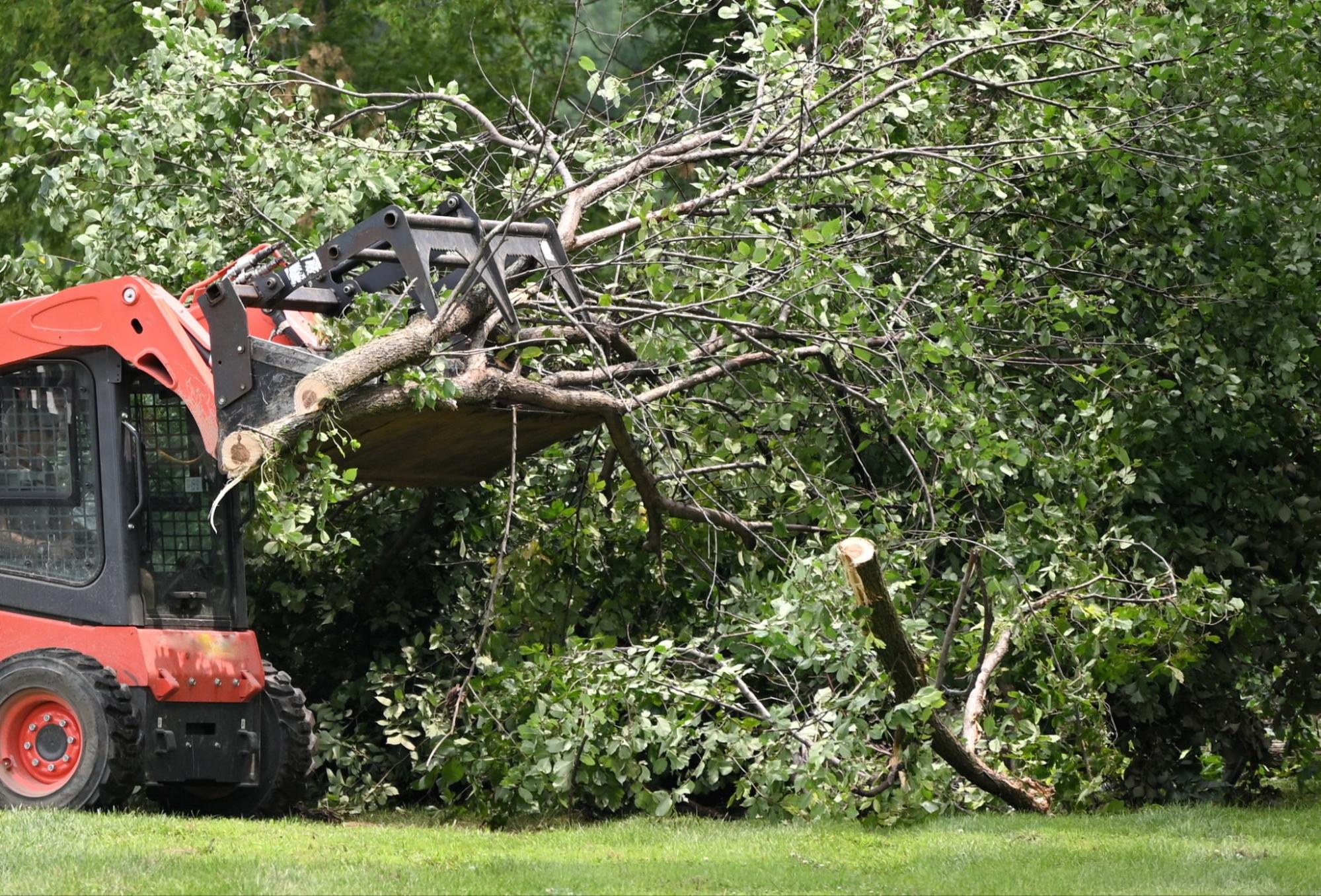
Picture a big storm rolling through overnight. By morning, one of your backyard trees is leaning toward the fence, a few limbs are cracked, and you’re standing on the deck wondering what to do. Does the whole thing need to come down, or will a good cutback fix it? Plenty of homeowners freeze at exactly this moment, unsure which way to go.
That uncertainty is normal, and it’s the reason services like tree removal Edmonton exist to help you weigh the choice properly. Sometimes a tree is worth saving, and sometimes trying to save it just delays a bigger problem. Knowing the signs makes the decision far less stressful.
This guide breaks down what each service actually does, when to pick one over the other, and how to spot the red flags that point toward removal.
Trimming and Removal: What Sets the Two Services Apart
Trimming and removal sound similar, but they solve very different problems. One keeps a tree around for years to come. The other clears it out for good. Getting the split straight makes the whole tree trimming vs removal question far easier to answer.
Trimming, sometimes called pruning, means cutting away select branches while the tree stays standing. A crew targets dead, weak, crossing, or overgrown limbs to improve the tree’s health, shape, and safety. Think of it as steady upkeep, close to a regular haircut. Removal is the opposite. The entire tree comes down, trunk and all, often with the stump ground out afterward. That one’s permanent, so it’s saved for trees that can’t be safely kept.
Signs Your Tree Just Needs a Good Prune
Trimming works best when the tree is fundamentally sound and only the branches need attention. Reach for it in cases like these:
- Dead or broken limbs scattered through an otherwise healthy canopy
- Branches scraping the roof, gutters, or siding
- Limbs crowding a driveway, walkway, or power line
- A canopy so dense that light and air can’t move through it
- Young trees that need shaping for strong future growth
Done on a regular schedule, trimming adds years to a tree’s life and heads off hazards before they turn into real damage.
Red Flags That Point Toward Full Removal
Removal steps in once the tree itself is the problem, not just its branches. The usual triggers:
|
Warning Sign |
Why It Points to Removal |
|
Dead or fully declining tree |
Brittle wood drops without warning |
|
Split or cracked trunk |
Structural failure can happen fast |
|
Roots lifting or heaving soil |
The tree may be losing its anchor |
|
New or worsening lean |
Often signals root or trunk trouble |
|
Widespread disease or rot |
Spreads and rarely reverses |
|
Poor placement |
Too close to the home or foundation |
A handful of dead branches doesn’t doom a tree. Once trouble reaches the trunk or roots, though, cutting it down is usually safer than gambling on a fix.
Trimming vs. Removal at a Glance
|
Factor |
Trimming |
Removal |
|
Goal |
Preserve and maintain |
Eliminate the hazard |
|
Best for |
Healthy, stable trees |
Dead or failing trees |
|
Frequency |
Every 1–3 years |
One-time |
|
Cost |
Lower |
Higher |
|
Permanence |
Reversible upkeep |
Final |
A chart only takes you so far, though. The right answer often hides in details you can’t spot from the back porch.
Booking the Right Tree Cutting Assessment
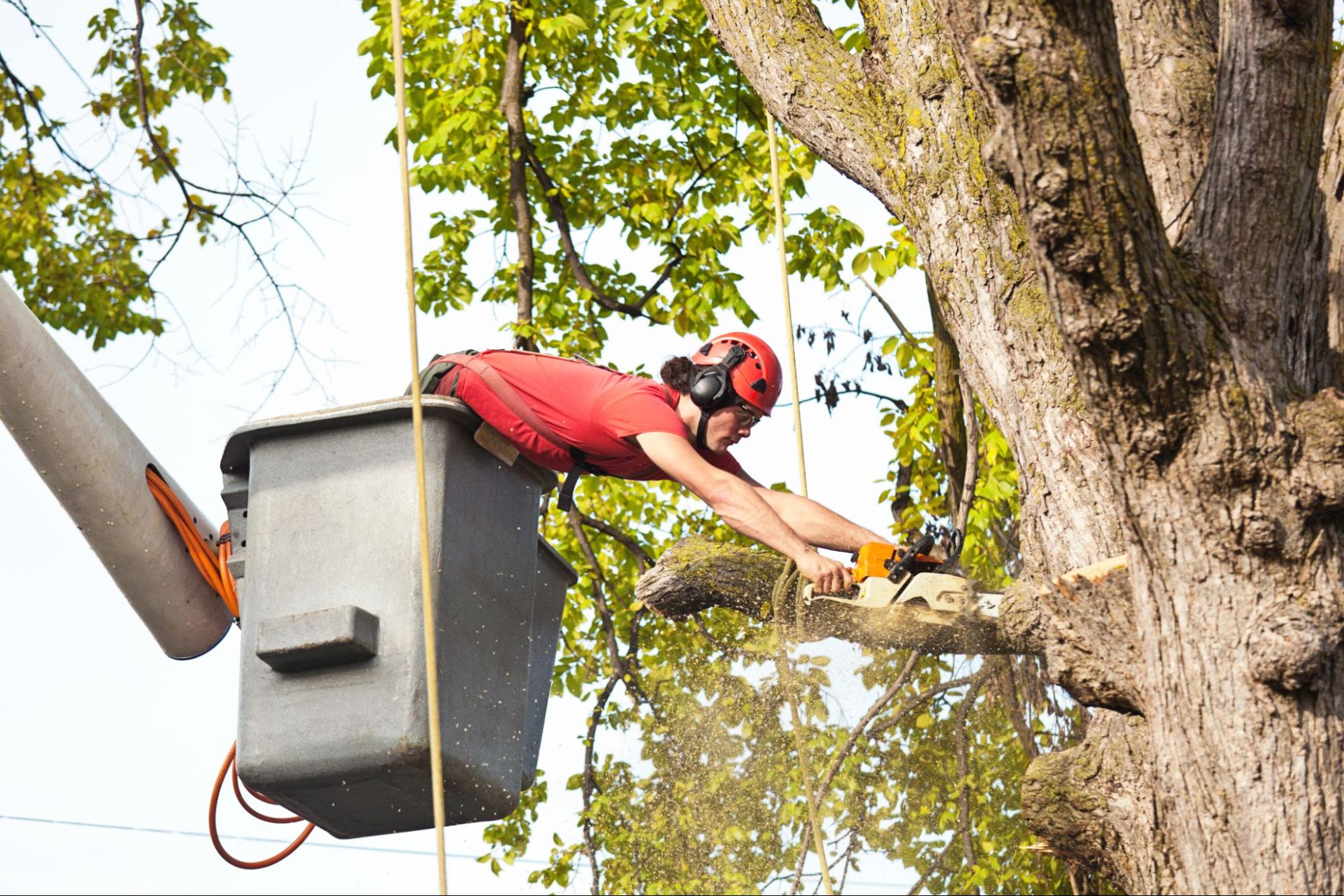
Reading the signs yourself is a solid start, but trees have a way of hiding their real condition. A trunk that looks fine from the deck can be hollow inside. A lean that seems harmless might mean the roots are quietly giving way. That’s why a trained eye matters so much before you commit to either service.
A certified arborist checks the parts you can’t easily see: root stability, internal decay, disease spread, and how close any weak points sit to your house or driveway. Booking a proper tree cutting Edmonton assessment often costs far less than the repair bill a failing tree leaves behind on a roof, vehicle, or fence. Plenty of problems get caught early enough that a simple prune solves them.
Questions Worth Asking Before You Hire
Before you hire anyone, run through a few checks to protect yourself and your property:
- Is the company insured and willing to show proof?
- Do they use a certified arborist for the inspection?
- Will they explain why they recommend trimming or removal?
- Is stump grinding and cleanup included in the quote?
- Can they provide references or recent reviews?
A trustworthy crew, whether it’s Bye Bye Junk or another local outfit, won’t push removal on a tree that only needs a trim. The good ones regularly turn down removal jobs when pruning will do, and they flag hidden trunk damage on trees that looked perfectly healthy from the curb.
Why Timing Your Trim Matters
Season plays a part too. Most deciduous trees prune best in late winter or early spring, while they’re dormant and less prone to stress or disease. Emergency work after a storm is the clear exception, when a cracked or dangling limb needs handling right away.
With the right inspection and a bit of timing, the choice between saving a tree and removing it stops feeling like a gamble.
Choosing the Safer Route for Your Trees
Deciding between saving a tree and taking it down doesn’t have to be a guessing game. The logic stays simple. If the tree is healthy and only the branches need attention, trimming keeps it safe and looking its best for years. If the trunk, roots, or overall stability have failed, removal is the smarter and safer route. Most trees fall clearly into one camp once you know the warning signs.
When you’re unsure, lean on a certified arborist rather than your own best guess. A quick professional inspection catches hidden problems, prevents costly damage, and often saves a tree you’d written off. Handle your trees with a little care and the right timing, and your yard stays safe, open, and beautiful season after season.
