

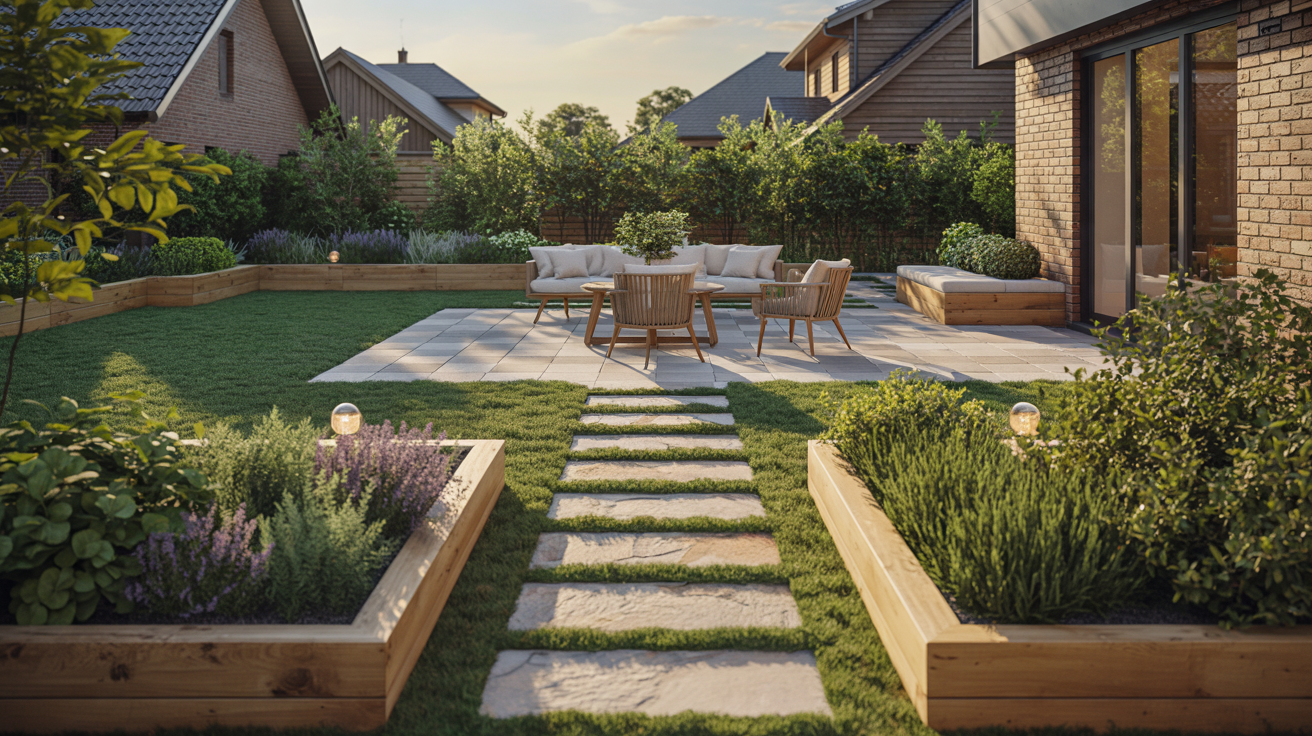
Backyard landscaping plans work best when they begin with ordinary home life rather than a dramatic makeover idea. A yard may look empty, tired, or unfinished, but the better question is how the space should behave during a normal week. Some families need shade near the back door. Some need a safer path from the driveway to the entry. Others want a garden that does not demand constant weekend work. A thoughtful outdoor plan connects those needs before choosing plants, stone, fencing, lighting, or patio furniture. When the yard is designed around real habits, it becomes part of the home instead of a separate project sitting outside the walls.
A better yard starts with use, not decoration
A homeowner checking Landscapers in Brockville, ON before changing a yard is usually trying to solve more than a visual problem. The real concern may be muddy walkways, poor drainage near the foundation, harsh afternoon sun, overgrown beds, uneven steps, or an outdoor area that never feels comfortable enough to use. Those details should come before colors and practical plant names. A good yard plan asks where people already walk, where they avoid walking, where water collects, and which views from the windows matter most. The result feels calmer because the design answers daily problems before adding decorative layers.
Outdoor rooms need edges people can understand
A yard becomes easier to use when it has quiet edges. A dining spot needs a surface that feels steady under chairs. A play area needs enough open ground. A garden bed needs a shape that can be maintained without awkward reaching. A path should lead somewhere real, such as a gate, shed, porch, seating area, or side entrance. Without those edges, even a generous yard can feel unfinished because nothing tells the household where each activity belongs. Edges can come from planting, gravel, pavers, low walls, fencing, or lighting. The choice matters less than the way each border supports movement, comfort, and simple upkeep.
Yard details to settle before planting begins
- Mark the paths people already use before drawing new walkways.
- Check where water gathers after rain or snowmelt.
- Decide which areas need shade, privacy, or evening light.
- Keep planting beds reachable for trimming, weeding, and seasonal cleanup.
- Place seating where it feels connected to the house, not stranded in the yard.
Plant choices should match household patience
A lush garden can become frustrating when it asks for more care than the household can realistically give. Some homeowners enjoy pruning, dividing perennials, refreshing mulch, and checking beds each weekend. Others need planting that stays orderly with simpler seasonal attention. The right choice is not about picking the most impressive plant list. It is about matching the design to time, comfort, and how the yard will be used after the first season. A front entry may need tidy, durable plants that frame the door without blocking the walkway. A backyard corner may handle looser planting if it is meant for privacy or softness rather than formal display.
Drainage and grading shape comfort quietly
The most attractive patio can become annoying if water sits at the edge after every storm. A fresh garden bed can create trouble if soil is piled against siding or directs water toward the foundation. Drainage and grading may not feel exciting, but they decide whether the yard stays pleasant through changing weather. A careful plan looks at slope, downspouts, soil behavior, hard surfaces, and the way water moves across the property. This does not require complicated language for the homeowner. It requires practical observation before work begins. When water has a sensible route, paths last longer, beds stay healthier, and outdoor areas feel easier to maintain.
Lighting should guide, not overpower
Outdoor lighting works best when it supports the way people move after dusk. A path light should help the foot find the walkway. A step light should make a level change easier to see. A soft fixture near seating can make conversation more comfortable without turning the yard into a stage. Many homes need less lighting than people expect, but the placement has to be thoughtful. Bright fixtures aimed poorly can create glare, flatten planting, or bother nearby rooms. Good lighting respects the house, the neighbors, and the way the yard feels at night. It should make the outdoor space easier to use, not louder to look at.
A finished yard should not fight the house
The best landscaping does not compete with the home. It frames the entry, softens hard corners, makes paths easier to follow, and gives outdoor areas a purpose that fits the people living there. A small yard may need fewer materials and stronger placement. A larger yard may need zones that feel connected instead of scattered. The final result should feel natural from the driveway, the porch, the kitchen window, and the seating area outside. Good planning brings together drainage, movement, planting, lighting, maintenance, and comfort without turning the yard into a showroom. When the outdoor space supports daily life, the whole home feels more settled.
