

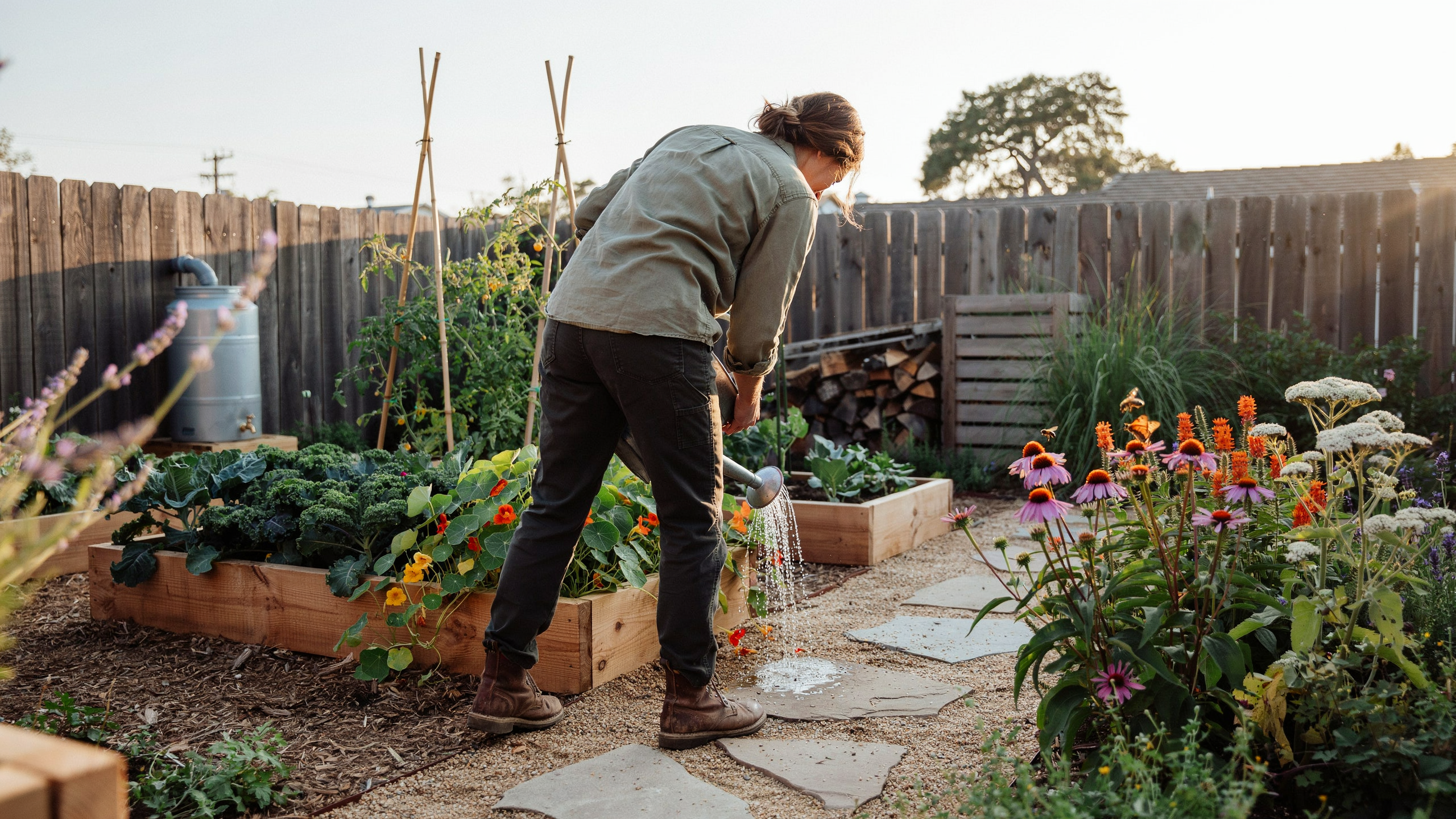
Creating a beautiful green space does not have to harm the earth. You can design a gorgeous outdoor area that works with nature instead of against it.
Sustainable garden habits help save water, protect local wildlife, and lower your weekly chores. With some simple shifts in your gardening routine, your yard can thrive naturally. Let’s look at 8 smart ways to build a greener yard.
Plan Your Yard Design Carefully
Large yards often require heavy maintenance and lots of water. Hiring a professional tree removal company in Woodstock helps clear your yard safely and efficiently. Once the area is clear, you can plant native shrubs that require far less care.
Designing your garden around natural slopes helps manage rainwater runoff. You can group plants with similar water needs in the same zones. This layout prevents water waste and keeps your yard healthy.
Working with Natural Slopes
Grading your property helps channel water to the right places. You can direct excess rain toward thirsty plants instead of the driveway. This simple technique keeps your garden lush without wasting water.
Choose Native Plants
Local vegetation is the backbone of any eco-friendly garden. Native species adapt to your local climate and soil conditions perfectly. Since they belong in your area, they do not need heavy watering or special fertilizers to survive.
A 2024 gardening study suggests that native flora supports local pollinators much better than exotic species. These plants provide food and shelter for birds, bees, and butterflies. You can find these varieties at a local plant nursery.
Why Native Flora Matters
Native plants have deep roots that stabilize the soil. These deep root systems prevent erosion during heavy storms. They absorb water quickly, which reduces pooling in your yard.
Native grasses do not require frequent mowing since they grow slowly. This reduction in lawn care saves fuel and lowers carbon emissions. Your yard becomes a low-maintenance sanctuary.
These plants require very little maintenance once established. You will spend less time mowing and more time enjoying your garden.
Apply Organic Mulch
Mulch acts as a protective blanket for your garden beds. It keeps the ground cool and slows down water loss. As it decomposes, it adds rich nutrients back into the soil.
A gardening guide from 2024 explained that organic mulch prevents weed seeds from sprouting. Using natural wood chips or leaves works beautifully. Here are three main benefits of using organic mulch in your yard:
- Mulch keeps soil very cool.
- Mulch stops weeds from growing.
- Organic mulch feeds your soil.
Applying the right depth is crucial for success. A layer of about 2 to 3 inches is usually perfect. Piling mulch too high against tree trunks can cause rot, so leave a small gap.
Install Rain Barrels
Collecting rainwater is a simple way to conserve resources. Roof runoff can be diverted into large storage containers for later use. This water is free of chlorine and other chemicals found in tap water.
A recent article noted that harvesting rain can save homeowners thousands of gallons of water annually. You can attach a simple hose to the barrel spigot. This setup makes watering your nearby flowerbeds very easy.
Setting Up Your Barrel
Place your barrel on a flat, elevated surface like concrete blocks. The extra height improves water pressure when you attach a hose. Make sure the lid is secure to keep mosquitoes out.
Many local cities offer rebates for installing rain barrels. Check with your local utility office to see if you qualify. This small step can save money on your water bill.
Use Drip Irrigation
Traditional sprinklers often lose a lot of water to evaporation. Drip irrigation systems deliver water directly to the plant roots instead. This targeted approach keeps the leaves dry and prevents plant diseases.
According to a university agricultural report, micro-irrigation systems are up to 90% efficient compared to regular sprinklers. Setting up a basic drip line is simple and affordable. These systems work well with timer attachments to automate your watering.
- Drip systems save much water.
- Rain barrels collect free water.
- Water gardens during early mornings.
You can hide drip lines under a thin layer of mulch. This placement protects the tubing from sun damage and keeps your garden looking neat. It delivers moisture directly where it belongs as well.
Create Compost Piles
Making your own compost is a wonderful way to recycle kitchen scraps. Instead of sending food waste to a landfill, you can turn it into black gold. This nutrient-rich soil additive improves your garden’s health.
An environmental blog post highlighted that home composting reduces greenhouse gas emissions.
You can mix dry leaves with fruit peels and vegetable scraps. The mixture breaks down over a few months to create perfect fertilizer.
Green and Brown Balance
A good compost pile needs a mix of wet greens and dry browns. Greens include food scraps and fresh grass clippings. Browns are things like dry leaves, twigs, and shredded paper.
Turning the pile once a week speeds up the decomposition process. This introduces oxygen, which helps beneficial microbes break down the organic matter. Within a few months, you will have rich soil.
Plant Shade Trees
Strategically planting trees can lower your home energy bills. Deciduous trees block the hot summer sun but let light through in the winter. This natural cooling method reduces your reliance on air conditioning.
A forestry conservation piece explained that mature trees significantly reduce urban heat island effects. They offer nesting sites for local birds as well. Planting a young shade tree is a great investment in the future of your property.
Choosing the Right Tree Location
Plant deciduous trees on the south or west sides of your house. These areas receive the most intense sunlight during the hottest parts of the day. The leaves will provide cool shade when you need it most.
Trees help capture carbon dioxide from the air and store it. This natural storage helps fight climate change right in your neighborhood. Planting a tree is a gift to future generations.
Avoid Chemical Sprays
Synthetic pesticides and herbicides can harm helpful insects like ladybugs and bees. These chemicals often wash into local waterways during heavy rainstorms. Choosing natural pest control options protects the entire ecosystem.
An organic farming guide suggested using soap sprays or neem oil for pest issues. Introducing helpful bugs like lacewings can keep bad pests under control naturally. This balanced approach keeps your garden safe for pets and children.
Natural Pest Solutions
You can attract helpful birds and predatory insects to handle pests. Planting dill and fennel encourages ladybugs to visit your garden. These helpful bugs eat aphids and protect your prized flowers naturally.
Growing a Greener Tomorrow
Small changes in your yard can make a massive difference for the planet. By using these simple tips, you can create a beautiful garden that works in harmony with nature. Your sustainable yard will require less water and effort.
If you’d like to learn more, check out more articles on our blog. Looking for more tips and ideas? We’ve got you covered. Check out some of our other posts now.
