


Used throughout the home in everything from shower screens to splashbacks to balustrades, glass is one of the most versatile materials in residential design. Glass shapes how a room feels, how private it is, and how safe it is to live in.
However, choosing the right type is not purely a style decision. The room, the use, the people in the household, and the condition of the glass all play a role. A finish that works beautifully in a living area may be entirely wrong for a bathroom or a staircase.
Start With the Purpose of the Glass
Before choosing a glass type or finish, identify what the glass actually needs to do. Common purposes include:
- Bringing more natural light into a dark room
- Creating privacy without closing off a space
- Dividing areas while keeping an open feel
- Improving safety near stairs, pools, or high-traffic zones
- Replacing damaged or aging glass that no longer performs well
- Adding a decorative feature to a kitchen, bathroom, or living area
The purpose also shapes the specification. A glass shelf inside a cabinet has very different requirements than a shower screen, a balustrade panel, or a glass door.
Understanding Common Types of Residential Glass
Standard or Annealed Glass
This is the basic form of glass used in lower-risk applications such as picture frames, cabinet inserts, and decorative panels. It has not been treated for additional strength. Where safety glazing is required, near doors, stairs, or wet areas, standard annealed glass is generally not appropriate.
Toughened Glass
Toughened glass, sometimes called tempered glass, is significantly stronger than standard glass. When it does break, it fractures into small, blunt-edged pieces rather than sharp shards. It is widely used in shower screens, splashbacks, glass doors, and balustrades for this reason.
Laminated Glass
Laminated glass has a plastic interlayer bonded between two panes. If the glass breaks, the interlayer holds the fragments together rather than letting them scatter. It is often selected where security, safety, or sound reduction is a priority, though performance will vary by product and installation.
Frosted or Obscure Glass
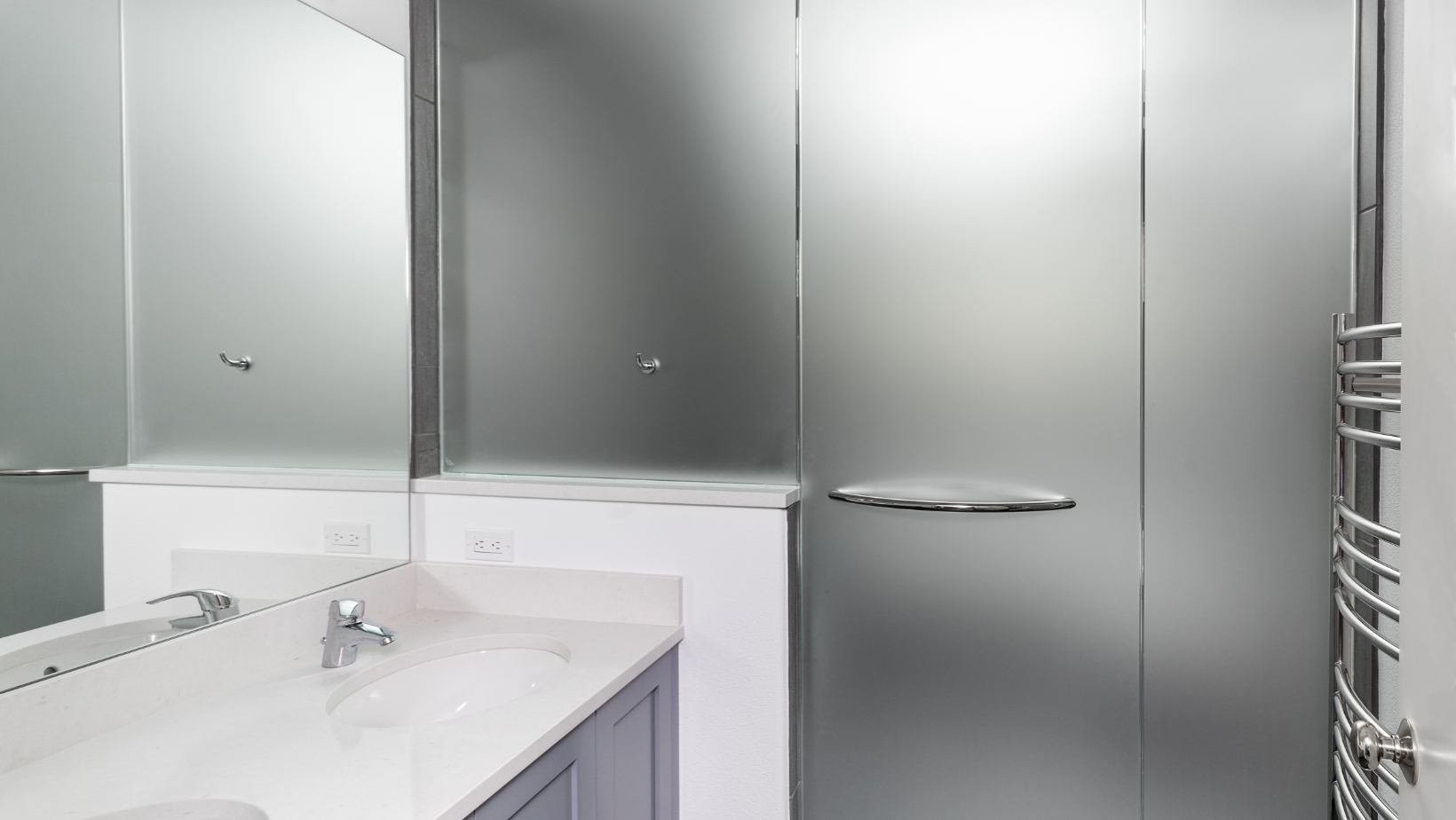
Frosted and obscure glass allow light to pass through while blocking a clear line of sight. They are a practical choice for bathrooms, internal partitions, and any space where privacy matters without sacrificing brightness.
Double-Glazed Units
Double-glazed units consist of two panes separated by a sealed gap. They are commonly used to improve thermal and acoustic performance. The actual benefit in any given home depends on the product specification, the installation quality, and local climate conditions.
Choosing Glass for Bathrooms
Bathrooms combine moisture, heat, limited space, and the need for privacy. The glass you choose has to handle all of them.
Toughened glass is the standard for shower screens because of its strength and the way it breaks safely if it fails. Frosted or obscure finishes work well on shower screens and bathroom windows, letting diffused light through while blocking the view. Mirrors, shelving, and internal partitions each have their own requirements depending on size and placement.
Moisture affects adhesives, seals, and fixings. Incorrect installation can compromise both safety and longevity, so professional fitting is worth considering for anything beyond a straightforward mirror swap.
Choosing Glass for Kitchens
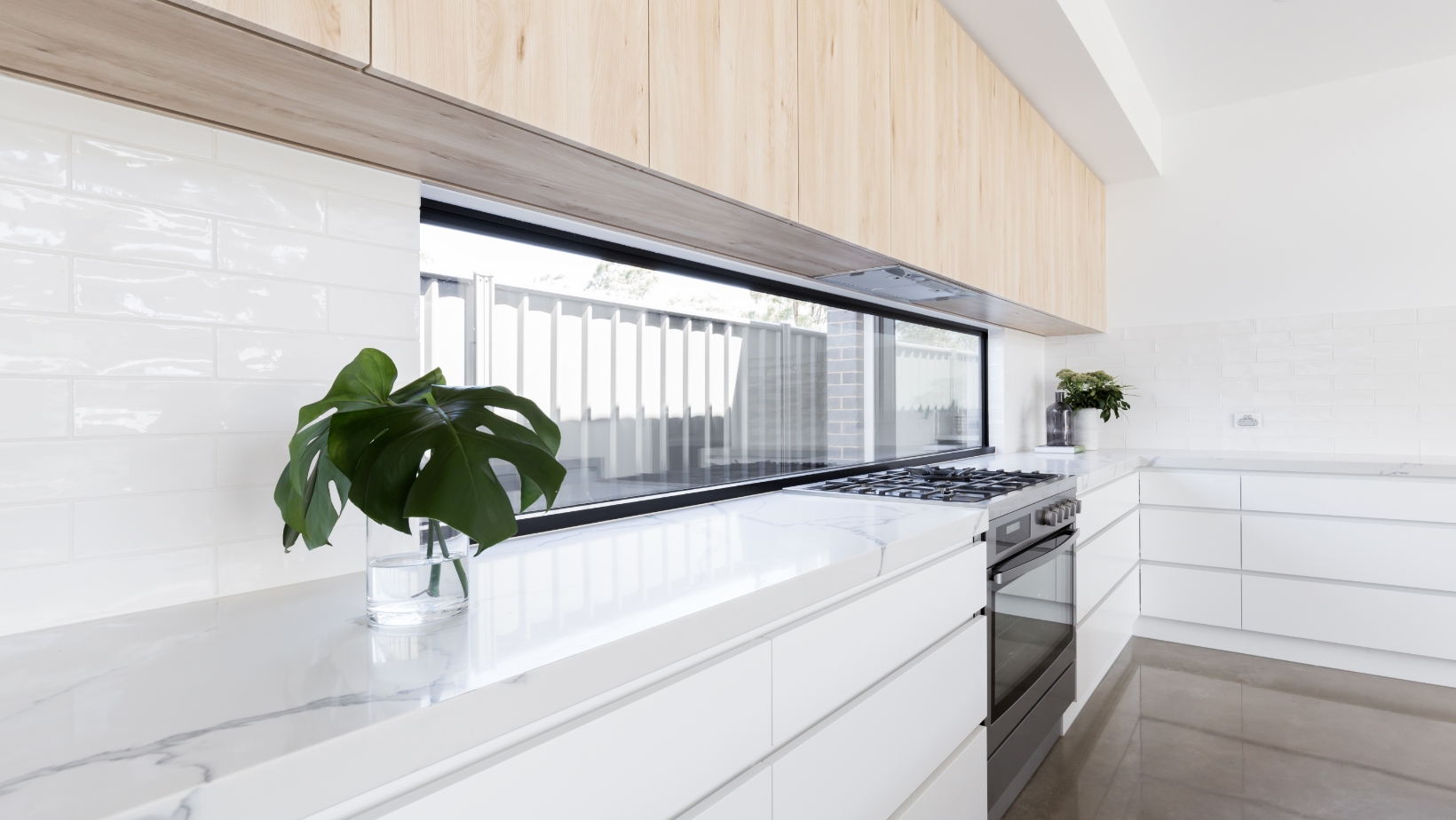
Kitchens are a high-activity environment. Heat from cooking, steam, cleaning products, and daily impact risk all affect how glass performs over time. Splashbacks are the most popular glass application in kitchens. Toughened glass is the typical specification here because of its resistance to heat and its durability under regular cleaning. Glass cabinet doors, shelving, and internal partitions are also common, each chosen for the combination of practicality and visual lightness they bring to a busy space.
Heat exposure near cooktops deserves particular attention. The glass type, thickness, and method of installation all matter in that zone. This is not a project to approach without the right specification confirmed in advance.
Choosing Glass for Living and Dining Areas
Living and dining spaces are where glass tends to have the biggest visual impact. Large glass panels, sliding doors, and internal partitions can make a shared space feel significantly more open and connected to the outdoors.
Glare, heat buildup, and privacy at different times of day are worth thinking through before committing to a specification. Households with young children or pets should also factor in impact resistance when choosing glass thickness and type for doors and low-level panels.
Safety Around Doors, Stairs, and Balustrades
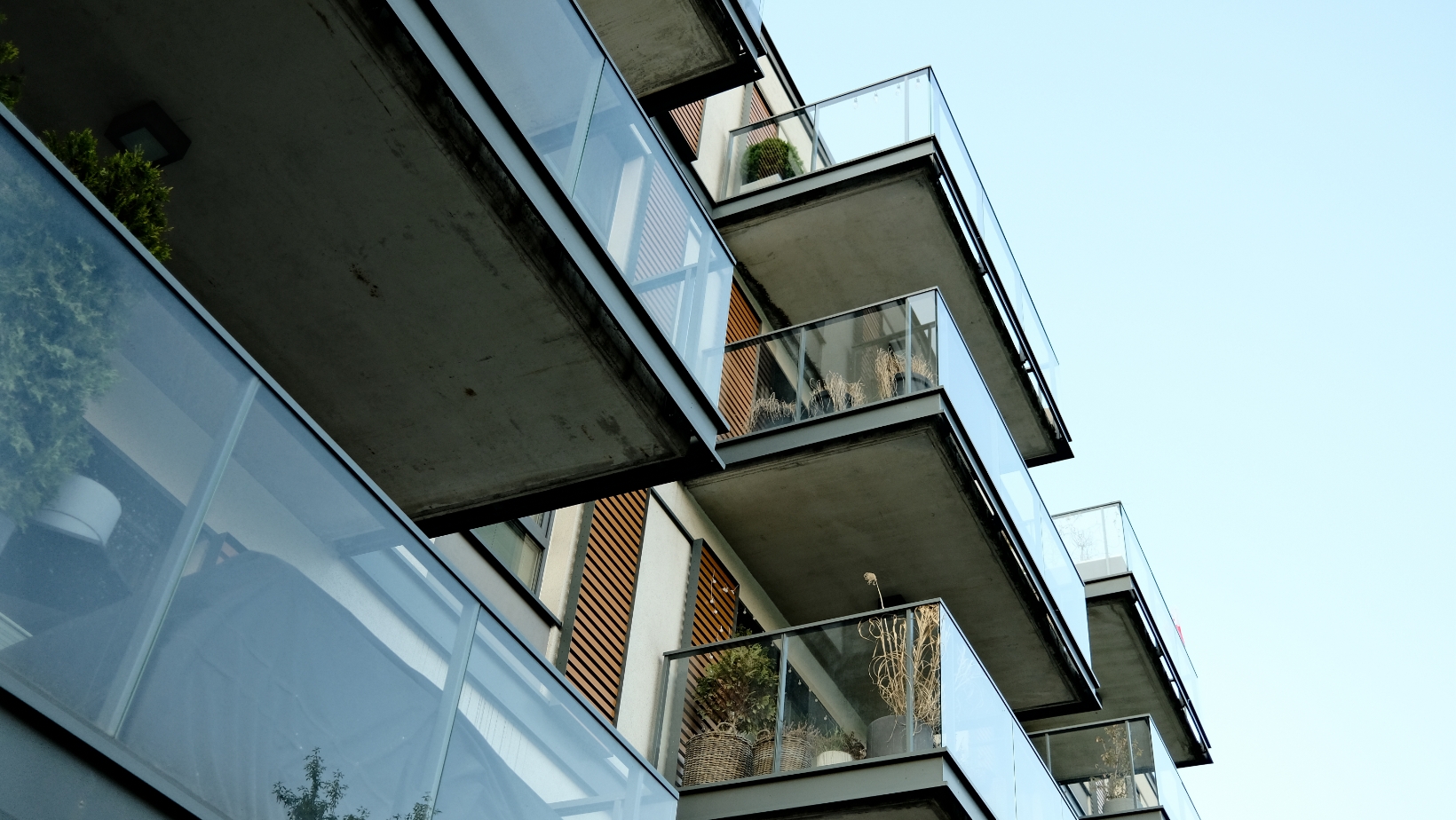
Some installations carry a higher safety risk than others. Glazing near doors, staircases, balconies, pool areas, and changes in floor level falls into this category. Safety glass, correct thickness, secure framing, and accurate measurement all matter more here than in a low-risk application like a cabinet or decorative panel.
Most countries have building requirements that specify what type of glass must be used in these situations. The details vary by location, so it is worth checking what applies in your area before selecting a product or starting work. A qualified glazier will be familiar with local requirements and can advise accordingly.
When a Glass Project Is Suitable for DIY
Some minor glass-related tasks are manageable for a confident, experienced homeowner. Applying removable privacy film, replacing a simple framed mirror, installing decorative adhesive products, and carrying out basic cleaning and maintenance are reasonable candidates.
Cutting, replacing, or installing glass in doors, shower screens, balustrades, or any load-bearing or safety-related context is a different matter entirely. The risks involved go beyond the glass itself and extend to incorrect sizing, inadequate fixing, and non-compliance with local building requirements. These are not projects where trial and error is a reasonable approach.
When to Call a Professional Glazier
Professional help is the right call when the job involves safety glazing, custom sizing, structural elements, or damaged frames. The same applies when glass is cracked or unstable, when the installation is in a high-risk location, or when local building requirements may apply.
Homeowners comparing local providers should look at experience, service range, workmanship standards, and customer feedback. Resources from Premium Glass & Glazing provide an example of the factors people can assess when researching glaziers in a major city.
Questions to Ask Before Approving the Work
Before any glazing work begins, it pays to ask the right questions. A qualified glazier should be able to answer all of these clearly:
- What type of glass is being recommended, and why is it suitable for this location?
- Is safety glazing required for this installation?
- Does the quote include custom measurement?
- How will the existing glass be removed?
- What workmanship terms apply?
- What maintenance will the new glass require?
- Are permits or compliance checks relevant in this area?
Balancing Style With Practical Requirements
Glass offers genuine design flexibility. Clear or frosted finishes, framed or frameless styles, tinted or textured options; the choices can complement almost any interior direction.
Practical factors should guide the final decision, though. Natural light, cleaning frequency, privacy at different times of day, and how the space is actually used all matter as much as appearance. Hardware finishes and how the glass interacts with surrounding colors and materials are worth considering too.
Endnote
Choosing the right glass comes down to balancing appearance, performance, maintenance, and safety. Define the purpose of each installation, research the glass types that suit it, and get qualified help for anything involving safety glazing, structural elements, or local compliance requirements. The right choice will serve the space well for years without requiring you to revisit it.
