


Interior paint sheen mistakes are easy to miss during planning. The color looks calm. The sample seems fine. Then the paint goes on the wall, the lights hit it, and suddenly every patch, roller mark, and scuff shows. For facilities that need interior and exterior upkeep, a commercial painter plays a crucial role in maintaining commercial buildings by choosing the right sheen for durability, appearance, and daily use.
This challenge is amplified in office buildings, retail stores, and other healthcare facilities. In these settings, it is vital to focus on how the environment affects the user. Patients notice when a facility feels clean and cared for, while maintenance teams notice when the wrong coating turns a simple touch-up into a major project.
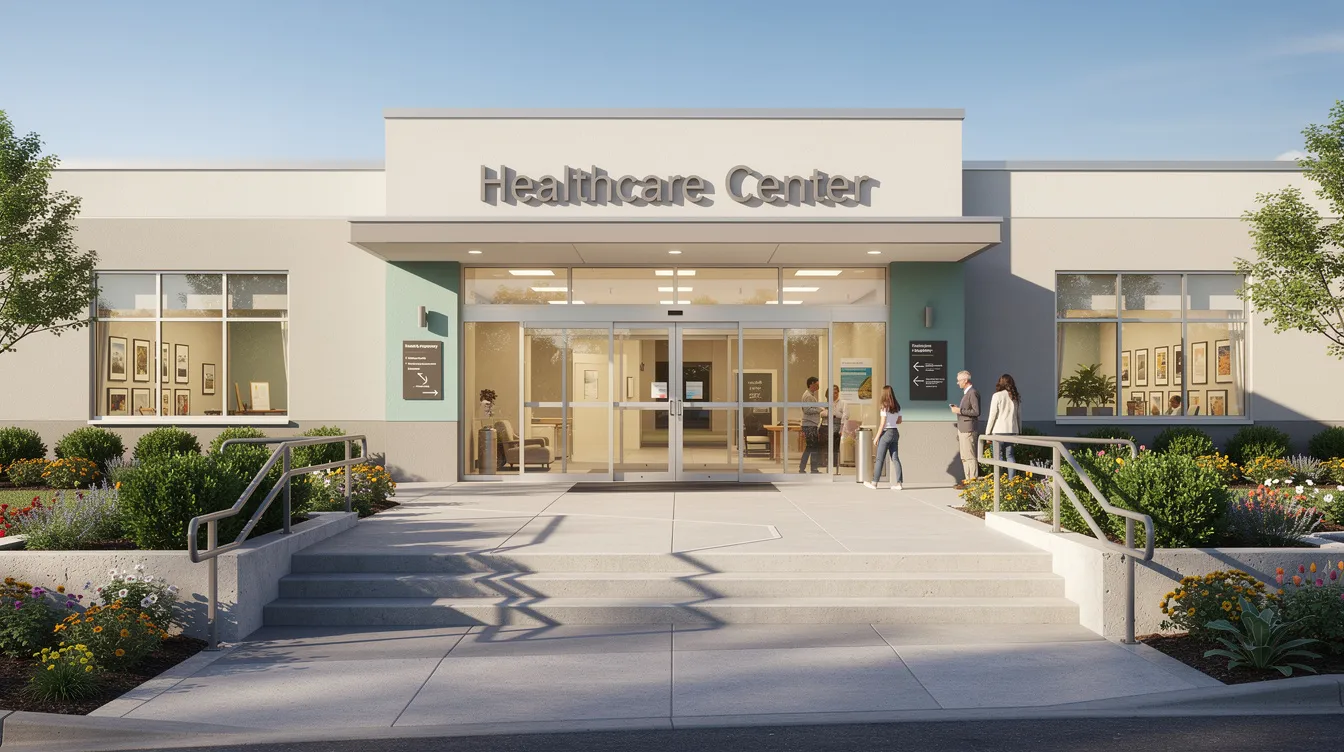
Commercial Painter Mistake: Choosing Shine Before Checking the Surface
A commercial painter should never choose sheen before checking the walls. A higher sheen can be useful because it is usually easier to clean, but it also reflects more light. That reflection can expose drywall patches, sanding marks, uneven texture, and old repairs.
In hospitals and healthcare settings, this can make a hallway or exam room look rough, even after a fresh paint job. A glossy quality finish on imperfect drywall does not create a flawless finish. It just makes the imperfections easier to see.
That is why proper surface preparation is essential for ensuring paint adheres well and achieves its full life expectancy. To provide maximum value, painters often sand, prime, and patch drywall before applying the final coat. They must use precision when choosing tools like spray guns or rollers to ensure the finish doesn't highlight imperfections.
Healthcare Facilities Need More Than Standard Commercial Painting
Commercial painting in healthcare facilities has unique challenges. The paint must withstand frequent disinfecting and the heavy demand of rolling carts and other health equipment. Specialized services often use low-VOC and odorless paints to create healthier spaces.
A waiting room might need a softer finish that creates a welcoming environment. A hallway may need more durable coatings because it is one of the highest traffic areas in the facility. Industrial coatings in these areas not only provide scratch and stain resistance but also offer a wide range of design options to enhance the aesthetic appeal of the environment. Exam rooms often need low-odor or low-VOC products to support patient comfort and staff well-being.
| Space | Better sheen or coating choice | Why it matters |
| Waiting rooms | Eggshell or washable matte | Softer look, less glare, easier comfort for customers |
| Hallways | Satin or durable coatings | Handles scuffs, carts, and frequent cleaning |
| Exam rooms | Satin with low-VOC paint | Helps with cleaning while keeping odor lower |
| Restrooms | Semi-gloss or moisture-resistant coatings | Better for moisture, stains, and cleaning |
| Doors and trim | Semi-gloss | More durable for touch points |
| Exterior entry areas | Exterior painting coatings | Helps protect the building from weather and wear |
This is where experienced interior painters can make the difference between walls that only look good for a week and walls that keep working for the space.
Commercial Painting Mistake: Ignoring Daily Operations
A hospital painting company or commercial painting contractor must plan around real people. Because healthcare facilities must operate 24/7. That means scheduling matters. Many commercial painting projects are completed overnight or during off-peak hours to ensure minimal disruption to patient care and medical staff.
Besides flexible scheduling, a strong commercial painting team should also offer clear room-by-room planning, safe cleanup, and a work plan that prevents interference with daily productivity.
What to Check Before Hiring Painting Contractors
Choosing a team for a medical facility shouldn't just come down to who has the lowest price. You really need a company that "gets" the unique needs of a healthcare industry, where high standards aren't optional.
A stronger choice is usually a crew with at least 5–10 years of commercial property experience and a proven portfolio of similar high-traffic or multi-story buildings. Contractors should also hold a valid state-issued license and carry comprehensive insurance, including general liability insurance and workers’ compensation, to reduce financial risk if something goes wrong on-site.
Along with skills and expertise, it is important to find a company which can provide you with genuine referrals from past clients with offices and hospitals like yours and give you an exact cost estimate with all material included. Last but not least, make sure that they can work on weekends.
These details do not exist simply as documents. They serve the purpose of protecting the business, the patients, the painters, and the building. They also ensure that the entire process is smooth without any hitches at all during the course of its completion.
Commercial Painting Services Should Match the Surface
Not every surface needs the same paint. Concrete, metal, drywall, trim, doors, and exterior materials all behave differently. Professional exterior painting services and interior coating work often involve primers, stains, sealants, protective coatings, and high-performance coatings, not just standard wall paint.
In high-traffic areas, heavy-duty industrial coatings, including epoxy systems, can help resist scratches and stains while staying easier to clean. Fire-retardant finishes may also be part of some commercial painting materials when the building use requires them. Waterproof coatings can help protect surfaces from weather and moisture, supporting longer-lasting performance in both interior and exterior applications.
For local projects, painters in Bellevue can also account for building age and natural light. They should know how to handle corrosion on exterior metal, moisture issues, and surface repairs before those problems become expensive. On larger commercial painting jobs, this may also require specialized equipment such as scaffolding and fall protection gear, especially when crews work on tall walls, upper levels, or difficult exterior areas.
Medical Facilities Should Have A Welcoming Environment
Clean does not have to mean sterile. A healthcare environment can feel professional and still feel human.
Soft neutrals, gentle greens, muted blues, and warm off-whites often work well because they create a calmer background for patients and staff. The sheen should support that feeling. Too much shine can feel harsh. Too little durability can create maintenance problems fast.
A good commercial painter helps balance appearance, safety, coatings, maintenance needs, and disruption. That balance is what makes commercial painting feel less like a cosmetic update and more like part of caring for the facility.
