

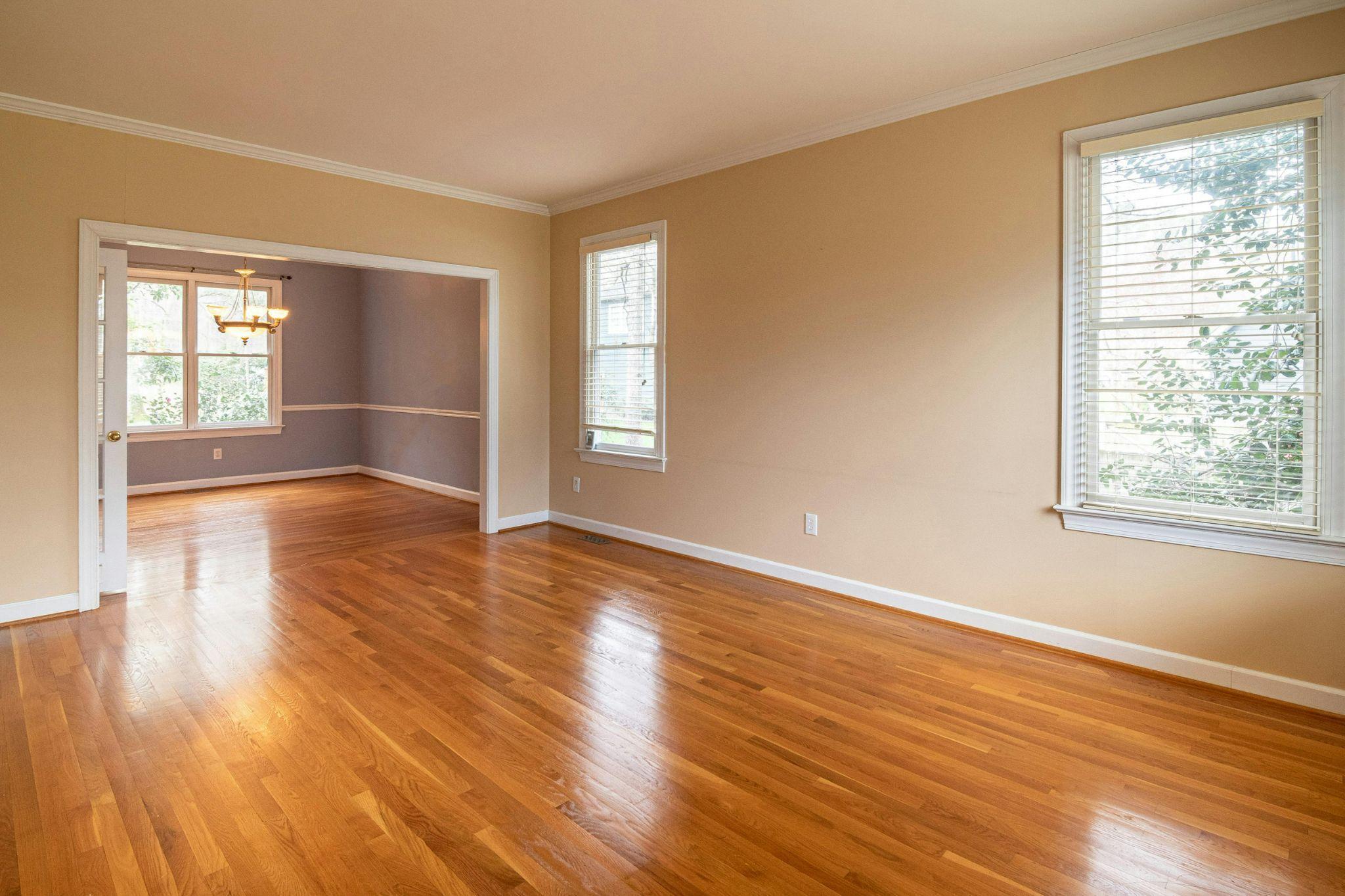
Choosing a floor finish sounds straightforward until you're actually standing in the store, staring at a wall of cans with nearly identical labels. With oil-based, water-based, penetrating, and pre-finished options all competing, the choices stack up fast.
What most people don't realize is that the finish affects far more than how shiny the floor looks. It shapes how often you'll need to refinish, how safe the air stays during application, and how the floor holds up against your actual daily life. Every major option gets covered in this hardwood floor finishes guide, so you'll know exactly what to buy.
Polyurethane: The Most Common Pick
Walk into almost any home built in the last 30 years, and chances are the hardwood floors have polyurethane on them. It comes in two forms: oil-based and water-based.
Not all polyurethane is created equal, though. Finding the best hardwood floor finishes means weighing durability, appearance, and environmental impact all at once. Trusted brands like Bona have built a strong reputation among flooring professionals for delivering on all three.
Oil-based polyurethane gives wood a warm, amber tone that deepens with age. It takes longer to dry (about 24 hours between coats) and has a stronger smell during application, but the durability is hard to argue with. High-traffic areas like hallways and living rooms benefit most from it, and a good coat typically lasts 7 to 10 years.
Water-based polyurethane dries faster, smells less, and keeps the wood's natural color intact instead of adding that golden tint. If you have light wood species like maple or ash, water-based keeps them looking fresh. It costs a bit more upfront, but the lower VOC content makes it a smarter pick for households with kids, pets, or anyone sensitive to chemicals.
The Importance of Sheen
Sheen level matters more than people think. Gloss finishes get marketed as the premium choice, but a matte finish and satin sheen actually hide scratches and dust far better. For a busy household, satin is often the more practical option.
Hardwax Oil: Europe's Best-Kept Secret
Hardwood flooring pairs especially well with hardwax oil, a penetrating finish that soaks into the wood instead of forming a surface film. It's been the go-to choice in European homes for decades, and it's slowly gaining ground in North America.
Because there's no plastic-like coating on top, the wood's grain and texture stay visible and tactile. The floor feels more natural underfoot, which suits modern, Scandinavian, or rustic interiors particularly well. The sheen stays low and understated.
What deserves more attention is that hardwax oil is spot-repairable. Unlike polyurethane, where damage means sanding the entire floor, you can reapply hardwax oil to just the affected area. For homeowners who dread full refinishing jobs, that's a significant advantage.
Aluminum Oxide: The Factory Finish
Aluminum oxide is unique among hardwood floor finishes because it isn't something a contractor applies on-site. It comes pre-applied to hardwood planks at the factory, bonded under UV light for a finish harder than anything achievable at home.
Scratch resistance is exceptional, and it can last 25 to 30 years in a residential setting. The catch? Refinishing it later requires commercial-grade equipment because standard sanding tools won't cut through the factory bond.
Before committing to pre-finished aluminum oxide floors, think about whether you'd ever want a different look down the road. If the answer is no, it's genuinely one of the most durable hardwood floor finishes available.
Oil Finish: For the Long-Haul Thinker
Pure oil finishes, like tung oil or linseed oil, harden from within the wood rather than sitting on top of it. The grain looks more dimensional, and the surface has a warmth that film-forming finishes rarely replicate.
Danish oil is another popular option in this category, known for combining oils and varnish for slightly better moisture resistance. Expect to reapply every one to three years, depending on foot traffic.
However, hardwood floor stripping or sanding isn't required between treatments. Each reapplication feeds the wood and deepens its character, which is something polyurethane simply can't do.
Oil finishes aren't the best fit for kitchens or bathrooms, though. Rooms prone to standing water need a film finish instead. Oil soaks in slowly, and moisture can sneak past it.
Picking the Right Finish for Your Life
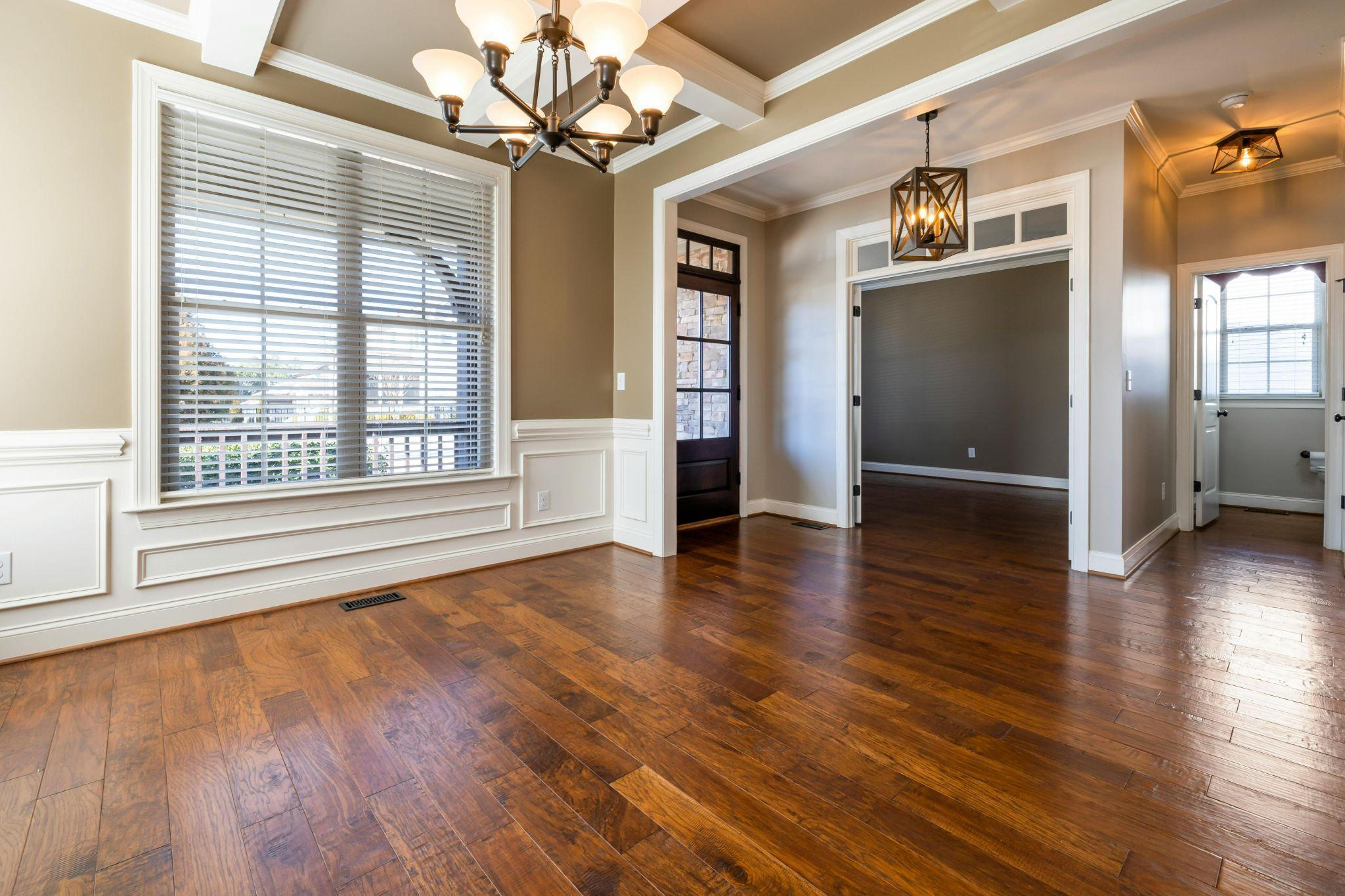
Most guides match finishes to wood species or interior styles. Matching them to your actual lifestyle is more useful.
- Pets and kids at home: Water-based polyurethane or aluminum oxide. Scratch resistance and easy cleaning take priority.
- Frequent gatherings: Hardwax oil or satin-sheen polyurethane. Both handle scuffs and heavy foot traffic without showing every mark.
- Allergy or chemical sensitivities: Water-based finishes like polyurethane or hardwax oil. Both have low VOC emissions during and after application.
- Older or character homes: Oil finish or hardwax oil. Neither creates the plasticky surface that looks out of place in historic spaces.
- Rental properties: Oil-based polyurethane or aluminum oxide. Maximum durability, minimal maintenance between tenants.
Whatever your situation, the finish you choose should fit your home's demands, not the other way around.
The finish choice also affects how much a floor remodel costs in the long run. A cheaper finish upfront often means more frequent refinishing, which adds up quickly. Factoring in maintenance costs from the start saves a lot of money down the road.
Timing and Air Quality Matter, Too
Timing and technique affect how a wood floor finish looks on species like white oak. Most homeowners never think about that until it's too late. Oil-based finishes release VOCs for several days post-application. So, plan to vacate the space for at least three to five days and keep windows open.
Water-based options off-gas faster, but 24 to 48 hours before moving back in is still the standard recommendation. Low-VOC and zero-VOC finish lines are now widely available. For households with newborns or respiratory sensitivities, those are worth prioritizing.
Humidity affects the final result, too. Aim for 35 to 55 percent relative humidity during application. Too much moisture in summer or too little in winter causes bubbling, peeling, or uneven absorption.
Choosing What Actually Works for You
Finding the right hardwood floor finishes starts with knowing your household. What looks great in a showroom won't always suit your home. Durability, maintenance tolerance, and daily use all matter more than aesthetics. Before committing, ask a flooring contractor for finish samples applied to scrap pieces of your actual wood species.
A proper finishing process starts with seeing how a product behaves on your specific floor, in your home's lighting. Getting a wood floor finish sample applied to a scrap piece of your actual species makes the decision a lot clearer.
