

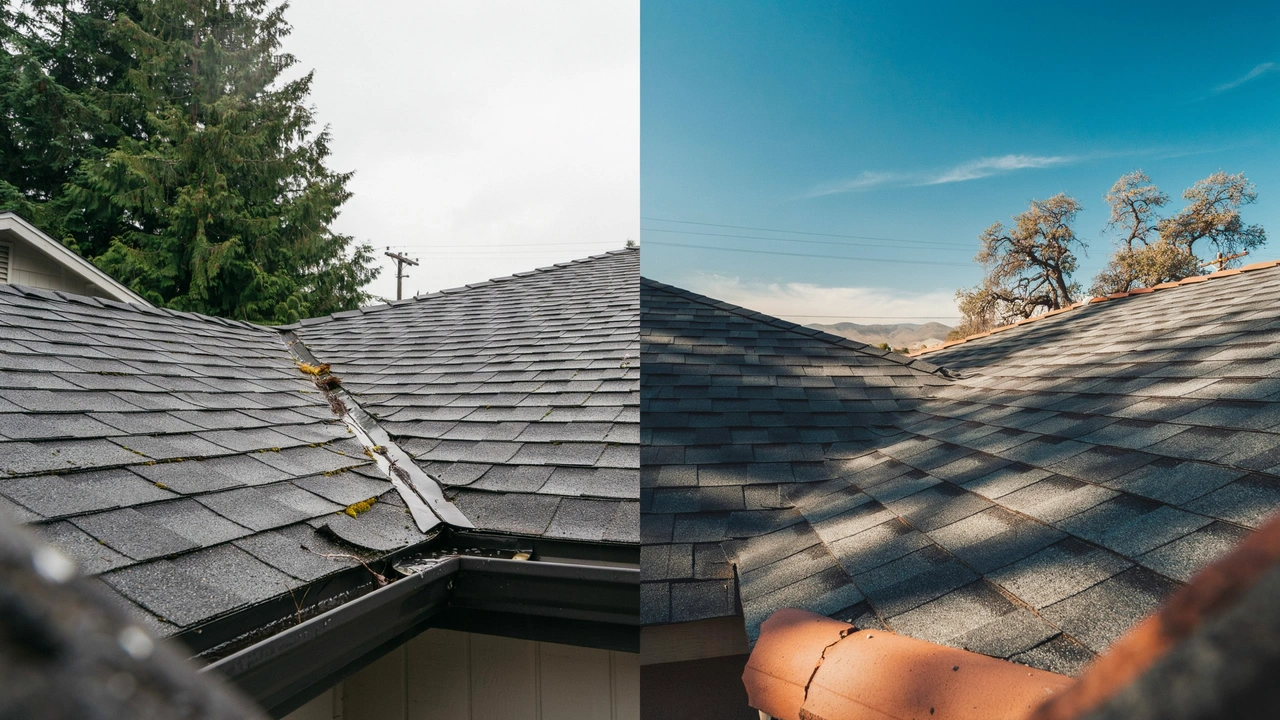
The Pacific Northwest plays by different rules — and your roof needs to be built for them
If you have ever browsed roofing advice online, you have probably noticed that most of it was written with a dry-climate homeowner in mind. Topics like UV damage, heat cracking, and desert dust dominate the conversation. But in Lynnwood, Washington, those concerns take a back seat to a completely different set of challenges: persistent rainfall, biological moss and algae growth, and the freeze-thaw stress that comes with the Pacific Northwest’s shoulder seasons.
The truth is, what works perfectly well on a home in Phoenix or Los Angeles will underperform, and sometimes fail prematurely, on a home here. Proper roof installation in Lynnwood demands materials, methods, and a level of local knowledge that generic installation guides simply do not cover. This post breaks down exactly why and what a well-built Northwest roof actually looks like.
Lynnwood Gets a Lot More Rain Than Most of the Country
Lynnwood receives around 37 inches of rain per year, with the bulk of it falling between October and April. Compare that to Los Angeles, which averages under 15 inches annually, or Phoenix, which barely sees 8 inches. That is not a minor difference — it is a fundamental shift in how your roof is stressed, season after season.
Constant moisture exposure means that every component of a Lynnwood roof — from the decking to the underlayment to the shingles — must be rated and installed for wet-climate performance. A roof that breathes poorly, sheds water slowly, or allows even minor water infiltration will develop problems far faster here than in a drier region.
What this means for installation:
- Ice and water shield must be applied at all eaves, valleys, and penetrations — not just around chimneys
- Synthetic underlayment rated for high-moisture environments outperforms felt paper, which can wrinkle and buckle when saturated
- Proper attic ventilation is non-negotiable to prevent condensation buildup from below
- Roof pitch matters more here: low-slope sections require additional waterproofing layers that a contractor in a dry climate might skip
Moss and Algae Are Not Just Cosmetic Problems
Ask any experienced roofing contractor in Lynnwood about the number one issue they see on aging roofs, and moss will come up almost immediately. The combination of shade from the dense tree canopy common in Snohomish County neighborhoods, high ambient moisture, and mild temperatures creates near-perfect conditions for biological growth year-round.
Most homeowners treat moss as a curb appeal problem. It is actually a structural one. Moss holds moisture against the shingle surface around the clock. Over time, that constant dampness lifts shingle edges, works its way under tabs, and accelerates granule loss. On wood shake roofs, moss accelerates rot. On asphalt shingles, it dramatically shortens the effective lifespan of what should be a 25 to 30-year product.
How installation addresses this proactively:
- Algae-resistant shingles with copper or zinc granules embedded in the surface are the baseline standard for Lynnwood roofs — not an upgrade
- Installing zinc or copper ridge strips near the peak allows rainwater to carry trace metal ions down the roof surface which inhibits biological growth between cleanings
- Proper clearance between roofline and overhanging tree limbs should be part of any pre-installation site assessment
- Steep pitch designs shed debris and water faster, reducing the dwell time that encourages moss establishment
Freeze-Thaw Cycles Put Stress on Materials That Dry-Climate Ratings Do Not Measure
Lynnwood sits at an elevation and latitude where temperatures hover around the freezing mark repeatedly throughout the winter months rather than staying consistently below it. This creates a freeze-thaw cycle that is far more damaging to roofing materials than either consistent cold or consistent warmth.
When water seeps into tiny cracks or beneath lifted shingle edges and then freezes overnight, it expands. When it thaws the next afternoon, it contracts. This repeated expansion and contraction works on shingle seals, flashing joints, and underlayment seams over time like a slow wedge. Materials rated only for heat resistance or basic water resistance may not carry the flexibility ratings needed to survive hundreds of these micro-stress events per year.
Freeze-thaw installation considerations:
- Shingles should carry impact resistance and low-temperature flexibility ratings suitable for USDA Zone 8 conditions
- Flashing at all roof penetrations — vents, skylights, chimneys, and pipe boots — must use high-quality sealants rated for temperature cycling, not standard caulk
- Nail placement and pattern matter: under-driven or improperly spaced fasteners create movement points that open up under freeze-thaw stress
- Ridge cap installation requires extra care in this climate, as it is the area most exposed to temperature swings and wind-driven moisture
Why Local Expertise Changes the Outcome
A roofer who learned their craft in Nevada or Central California is not necessarily a bad roofer. But they are working from a mental model of roofing that does not account for the specific failure modes that Lynnwood’s climate produces. They may spec the right shingle brand but choose the wrong product line. They may install underlayment correctly per manufacturer instructions but skip the extended eave protection that PNW best practices call for.
This is why choosing a roofing contractor in Lynnwood with genuine Northwest experience matters as much as any material specification. A contractor who has done hundreds of roofs in Snohomish County has seen what fails and what lasts. They have watched certain products degrade prematurely and others outlast their warranties. That accumulated local knowledge shows up in the details — the ones that are invisible on the finished roof but determine how it performs over a decade or two.
The right roof installation in Lynnwood is not about buying the most expensive shingle. It is about every layer of the system — decking, underlayment, ice and water shield, starter strips, field shingles, ridge cap, ventilation, and flashing — being selected and installed with the Northwest climate in mind.
Ready for a Roof Built to Handle Lynnwood’s Climate?
Your roof should be built for the conditions it faces every day, not for a dry climate hundreds of miles away. In Lynnwood, constant rain, moss growth, and seasonal freeze-thaw cycles demand a roofing system designed specifically for the Pacific Northwest. As a trusted roofing contractor in Lynnwood, we build every roof with climate-specific materials, proven installation methods, and attention to every detail from underlayment to final inspection. Contact us today for a free estimate and see what a properly built Northwest roof looks like.
