

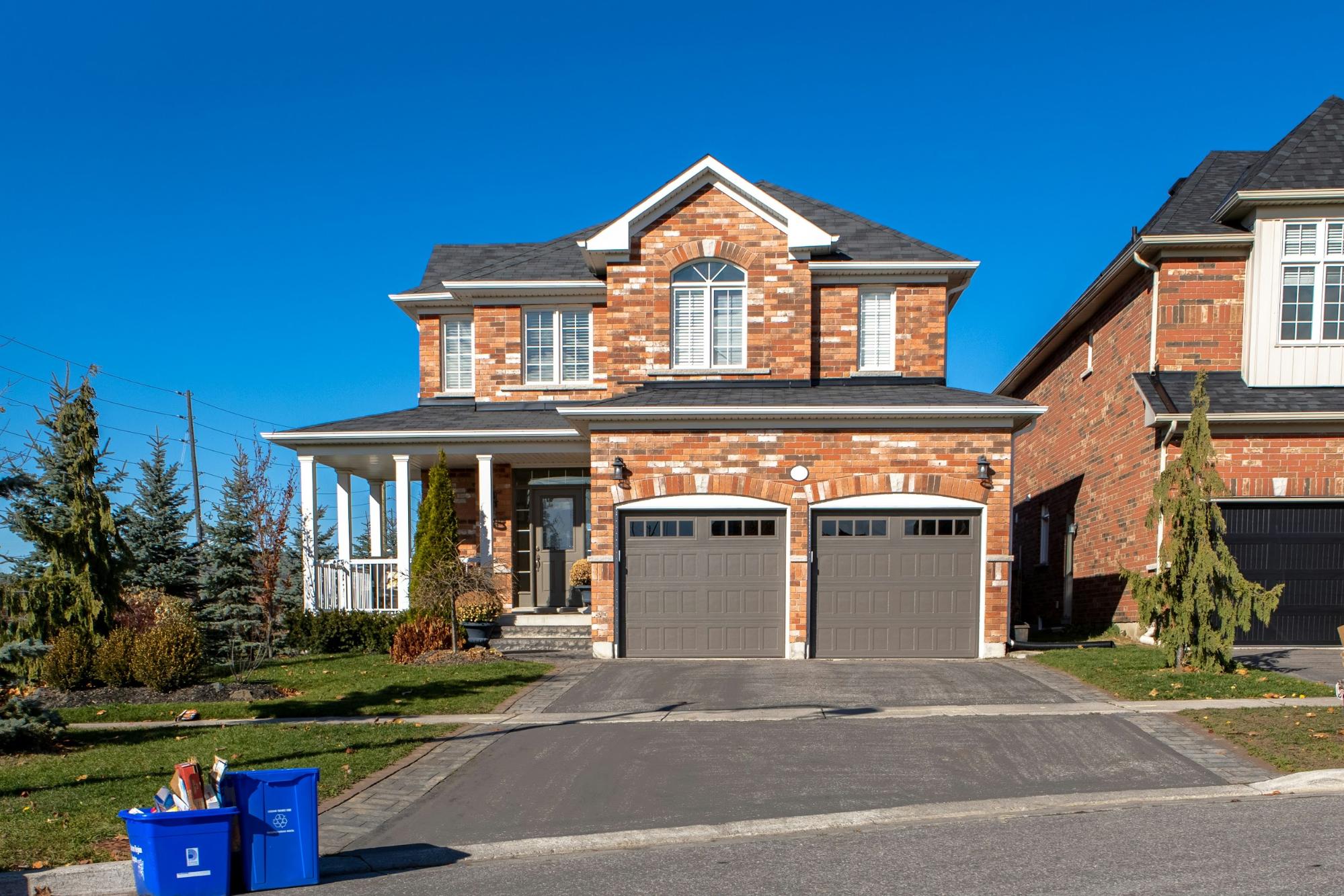
Your driveway is an important part of your home’s exterior. It contributes to the curb appeal and has functional uses for you and your family members. When problems occur, it can reduce your quality of life, as they affect your day-to-day activities. In this guide, we will discuss some of the common driveway problems homeowners face and their solutions. This guide will be a quick checklist of solutions, so you don’t have to rack your brain looking for answers. Here are 8 common driveway problems and their solutions.
Potholes
Potholes are one of the most common problems you’ll experience with your driveway. These form when water erodes the sub-base after entering unchecked cracks. The water could be from either rain or poor drainage, assisted by dislodged, loosened materials caused by tires.
Your tires create a deep depression that worsens as vehicles pass and can become quite hazardous. They can cause tire damage, wheel misalignment, and other damage to your car. You can use temporary cold patches to fill potholes quickly, but a more permanent solution should be pursued in the long term. A professional hot-mix asphalt ensures that your driveway is durable and helps combat underlying erosion.
Poor Drainage
Drainage is often an understated aspect of building a driveway, but poor water flow can lead to further complications. Improper slopes can cause water to pool instead of run off. This leads to erosion under the surface and can cause potholes. Pooled water will freeze in cold weather, which heaves your driveway upward and creates uneven bumps.
Still water will foster algae, moss, and chemical degradation, which will weaken and stain the material used in the construction of your driveway. To correct poor drainage, you can opt for installing French drains along the edges or regrading to get a consistent pitch.
Surface Staining
This is more of a cosmetic problem than a functional one, but it causes headaches for homeowners. Rust from metal objects, oil drips from vehicles, and other chemical spills penetrate porous surfaces on your driveway.
These spills create persistent dark spots, which degrade the protective top layer of your driveway and ruin your curb appeal. Degreasers and harsh cleaners can help remove surface stains, but pressure washing or grinding is required to eliminate deeper stains. After cleaning, apply a resealant to prevent or reduce future contamination.
Uneven Settling
This is caused by weak or compacted soil that fails to support the weight placed on it. It results in sections of your driveway sinking irregularly over time. It can create tripping hazards for pedestrians and spots for water to gather. If there is poor initial compaction during the construction of your driveway, it can trigger settling as the ground underneath shifts seasonally.
This can become a nightmare for you if not managed properly, and because the effects take a long time to set in, it may be difficult to notice. Digging out sunken areas and rebuilding the base with gravel can help alleviate the problem. You should also ensure that smooth repaving is done to solidify repairs.
Weed and Moss Growth
Organic debris is another challenge that homeowners face on their driveways. Weeds and Moss will sprout in cracks and damp joints, which provide the soil for seeds and spores to grow. These seeds and spores sprout into weeds and moss, which can become difficult to tackle. Wet or moist conditions caused by poor drainage or shade can accelerate the growth of these invaders, which can further damage your driveway.
The presence of weeds or moss can also be a sign of deeper moisture issues, which can undermine the stability of your driveway and should not be ignored. Prevention includes regular power washing and herbicide application to prevent their growth. Joint sealing with polymeric sand will also help combat the weed and moss problem.
Fading Discoloration
Your driveway is constantly exposed to the UV rays from sunlight, which cause a breakdown of the surface binders in asphalt or concrete. This can cause chalky fading or greying within a few years, damaging the beauty of your driveway. Rain and temperature swings also damage the protective oils on your driveway, which dulls its original hue.
It also compromises the waterproofing ,which causes further cracks and stains to your driveway. The best solution for this problem is sealcoating, which should be done every two to three years. It restores the vibrancy of your driveway and adds a UV-resistant barrier that reduces the effect of sunlight exposure.
Edge Deterioration
The border material used on your driveway can be subject to deterioration because of various factors. Soil expansion, absent edging, and lawnmower traffic strip away border material, which allows grass to encroach on your driveway. Unsealed edges will crumble under rain splash-back and foot traffic.
This is a perimeter failure that spreads damage across the entire driveway surface. You should install metal or plastic edging and backfilling to halt the progression of edge deterioration. Stable materials should also be added to the mix to solidify the edges of your driveway.
Cracking
Cracks are caused by water infiltration into small fissures during freeze-thaw cycles. The expanding I’ve pushes the material apart and leads to cracks in your driveway. Vehicle load or tree roots lifting the surface can accelerate the cracking process over time. These cracks allow moisture and debris to enter the driveway’s structure, weakening the underlying base.
Professional asphalt paving work is necessary to address significant structural issues that arise when cracks widen. For minor cracks, sealants can be used to address the problem and prevent further damage. Contact a professional for further advice if you notice any degree of cracks in your driveway.
Endnote
Driveway issues are not one-off events. They can be recurring, which is why it’s essential to incorporate a proper maintenance culture to minimize the risks of issues arising. Power wash your driveway frequently, at least once a week. Ensure you conduct regular checks to detect problems early. If you notice any issues, apply solutions immediately or call a professional for assistance. Remember that addressing problems as soon as they are noticed will save you money in the long run.
