

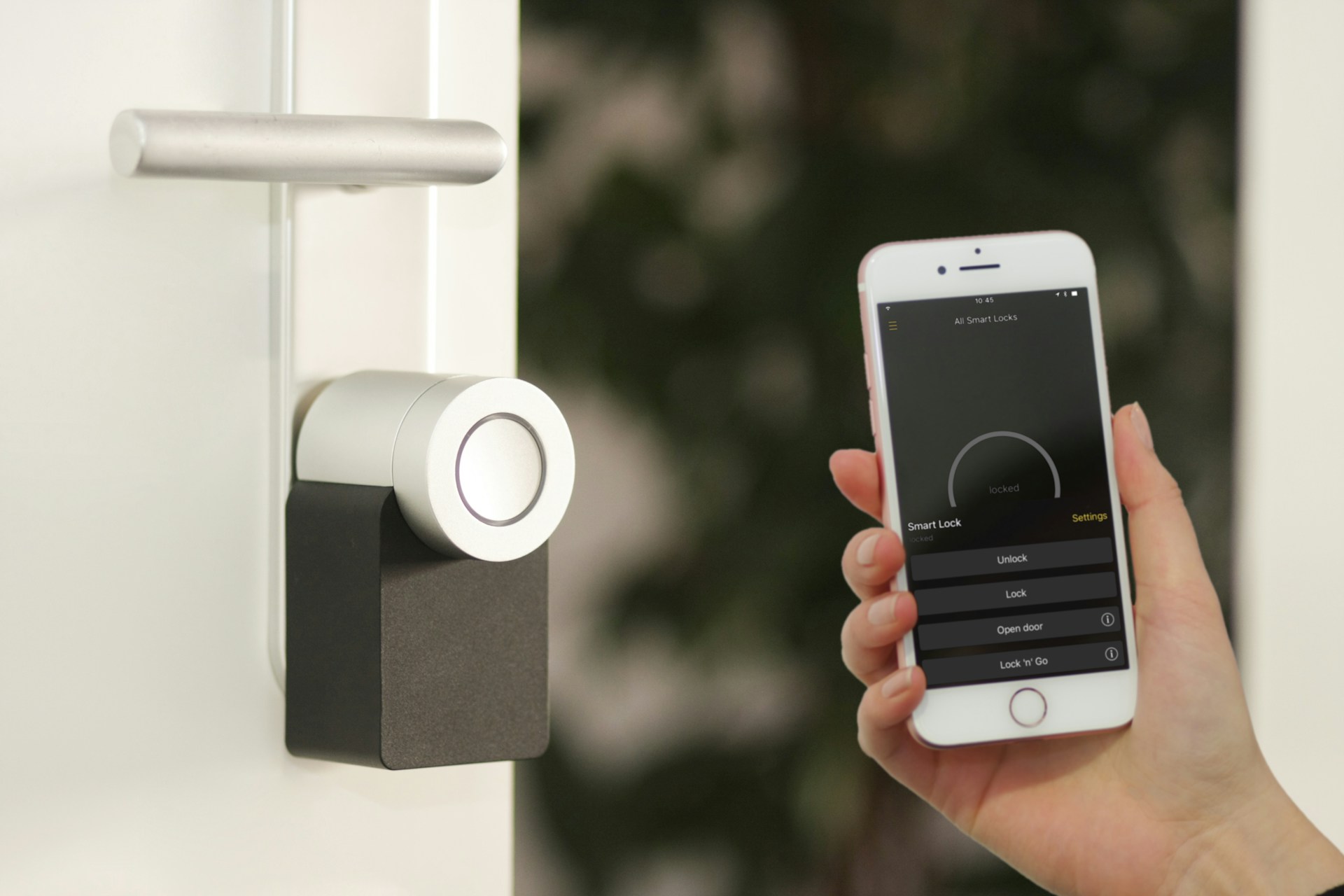
Smart home systems are becoming much more practical. They are changing the way you heat your home, turn on lights, monitor security, receive deliveries and even open the garage door. The biggest transformation is that homes are becoming more responsive to your habits. A smart home can learn your schedule, adjust settings automatically and allow you to control key functions from a phone, tablet or voice assistant. That level of convenience is reshaping what many people expect from modern home life.
Smarter Heating and Cooling Saves Money
Heating and cooling are often the largest energy expenses in a home. Smart thermostats address this by making temperature control more precise. Many models use sensors, weather data and occupancy information to avoid heating or cooling an empty house.
Using an ENERGY STAR-certified smart thermostat helps users save an average of 8% on utility bills. This is simply because these devices adjust your heating and AC more frequently than traditional thermostats.
The practical benefit is not just lower bills. You also gain comfort. Imagine returning from vacation and warming the house before your flight lands or cooling it during a hot afternoon, without leaving work early. Those small conveniences add up over time and make the home feel more tailored to your routine.
Lighting Adapts to Your Life
Smart lighting is one of the easiest upgrades for many homeowners because it requires little maintenance once installed. You can schedule lights to turn on at sunset, dim automatically at bedtime or switch off when everyone leaves the house.
LED lamps already use 75% less energy than traditional incandescent ones. Combining LEDs with smart controls can increase energy savings further by reducing unnecessary use.
Motion-activated hallway lights can help prevent nighttime falls. Vacation lighting schedules can make an empty home seem occupied. Voice-controlled lighting can be especially helpful when your hands are full of groceries, laundry or a child.
Security Becomes Proactive
In smart home security systems, cameras can send real-time alerts when motion is detected, door sensors can notify you when an entry point opens and smart locks can tell you exactly when someone enters or leaves.
You can check a camera while traveling, unlock the door for a visiting relative without hiding a spare key or receive an alert if a child arrives home from school. The home becomes easier to monitor even when you are away.
Garage doors are often among the largest moving parts of a home and an important security feature. Smart garage door openers transform them from simple mechanical devices into connected access systems.
Modern smart openers also offer important security advantages. Advanced encryption protocols work together with rolling code technology, so the access code changes every time the remote is used. Since the code keeps changing, it is much harder for criminals to capture and reuse a signal to gain unauthorized entry. This type of security technology helps protect against code-grabbing attacks and adds another layer of protection for your home.
Voice Control Simplifies Everyday Tasks
Voice assistants have become a central part of many smart homes because they connect multiple devices through simple spoken commands. Instead of opening several apps, you can say the instructions out loud. This can reduce friction in daily routines.
You can cook dinner while setting timers, adjust lights while reading or check the weather before leaving the house. Voice control can also improve accessibility for older adults and people with mobility limitations. The ability to control lights, locks and thermostats without walking across the house can support more independent living.
Smart Appliances Change Household Routines
Connected appliances are extending automation beyond lighting and climate control. Smart washing machines can send a notification when a cycle finishes. Smart refrigerators can alert you if the door is left open. Robot vacuums can clean floors while you are away. You can even have smart curtains that connect to your phone or an Alexa device.
These devices do not eliminate household chores, but they can reduce the need for constant supervision. A notification that laundry is finished may prevent clothes from sitting in the washer for hours. A robot vacuum running during the workday can keep floors cleaner with less effort. As more devices become connected, homeowners are starting to think of the home as an integrated system rather than a collection of separate appliances.
Energy Monitoring Reveals Hidden Waste
One of the most overlooked benefits of smart home systems is visibility. Smart plugs, energy monitors and connected appliances can show exactly how much electricity different devices use.
That information can help you change behavior. You might discover that an older refrigerator uses far more energy than expected or that entertainment equipment draws power continuously even when turned off.
Challenges Homeowners Should Consider
Smart home systems are not perfect. They depend on a reliable internet connection and electrical power. Different brands may not always work together seamlessly. Privacy and cybersecurity also require attention because connected devices collect data about household activity.
To reduce problems, it’s better to choose reputable manufacturers, enable two-factor authentication when available, keep software updated and use strong, unique passwords for home accounts.
Starting with one or two devices, such as a thermostat or lighting system, may be easier than automating the entire house at once. Cost is another consideration. While some devices are inexpensive, a fully integrated system can require a greater investment.
The Future of Home Life Is Responsive
Smart home systems are transforming everyday life by reducing friction. They help you save energy, improve security, monitor your home remotely and automate repetitive tasks. Whether you start with a smart thermostat, connected lighting or a secure smart garage door opener, each step moves your home toward a more convenient, efficient and responsive way of living. Over time, those small improvements can change how you experience your home every single day.
