

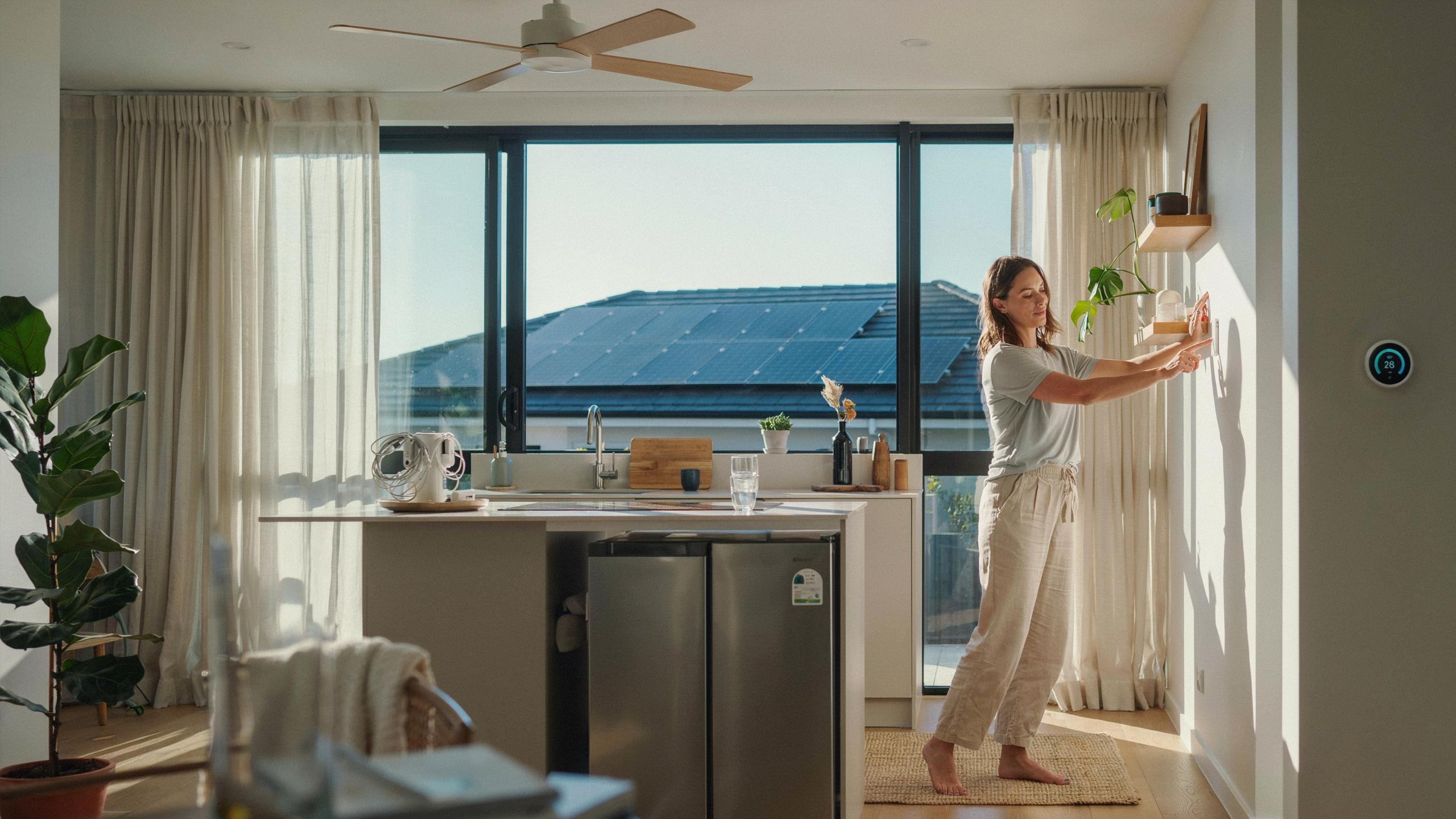
Did you know that making simple changes in your home can lead to significant savings on your utility bills? Many homeowners and renters alike often overlook the impact of their daily routines on energy consumption. By adopting energy-saving home habits, you can not only reduce your bills but also contribute positively to the environment.
Upgrading Your Home Insulation
Insulation keeps your living space comfortable by sealing in treated air. Without proper barrier protection, heat easily escapes during winter and enters during summer. Keeping your home well insulated can make a huge difference, potentially saving you up to 20% on heating and cooling costs.
Sealing gaps around windows and doors is a great first step. Expanding foam or caulk can block drafts in drafty areas. These simple fixes protect your budget. You can install weather stripping on exterior doorways to prevent climate control leaks.
Professional System Maintenance
Regular maintenance keeps your home systems running at peak performance. Working with a company that provides expert heating, cooling, and plumbing solutions prevents unexpected breakdowns before they start. Scheduling annual checkups protects your investment and keeps your utility bills manageable.
Dirty filters block airflow and force your systems to work harder. Replacing filters every 3 months reduces strain on your equipment. Clean systems consume less power and last longer. Technicians can spot small issues before they turn into costly repairs.
Water Heater Efficiency
Water heaters represent another major source of household utility costs. Lowering the temperature setting on your tank to 120 degrees Fahrenheit saves money on heating water. Flushing the tank once a year removes sediment buildup that hurts performance.
Small Temperature Tweaks
Adjusting your thermostat is a simple way to cut costs. Many homeowners set their systems to extreme temperatures when they arrive home. Instead, making small shifts can lead to noticeable changes in your monthly bill. A small adjustment can reduce your climate control consumption by between 5% and 10% without losing comfort.
Smart Thermostat Use
Installing a programmable thermostat helps manage temperatures automatically. You can set the system to adjust when you are asleep or away. This prevents unnecessary heating or cooling when nobody is around. Modern units let you control settings using a phone application from anywhere.
Unplugging Phantom Loads
Electronics continue to draw power even when turned off. This constant drain is often called standby power. Phantom energy can waste up to 10% of your home’s energy, so it is best to try adopting this practice in your everyday life.
Quick Ways to Cut Standby Power
You can easily stop this waste with simple actions:
- Use power strips to turn off multiple devices at once.
- Unplug chargers when they are not connected to a phone.
- Turn off guest room electronics when visitors leave.
- Configure computer monitors to sleep after short periods of inactivity.
Your Home, Your Responsibility
It’s clear that small changes can make a significant impact. By adopting sustainable practices, you join a community of individuals committed to bettering the planet and living more efficiently. Remember, every step counts towards fostering a healthier planet and pocketbook.
If you’re interested in more ways to implement energy-saving home habits, reach out to local experts or watch online tutorials. These resources often provide tailored advice that fits your home’s specific needs.
