

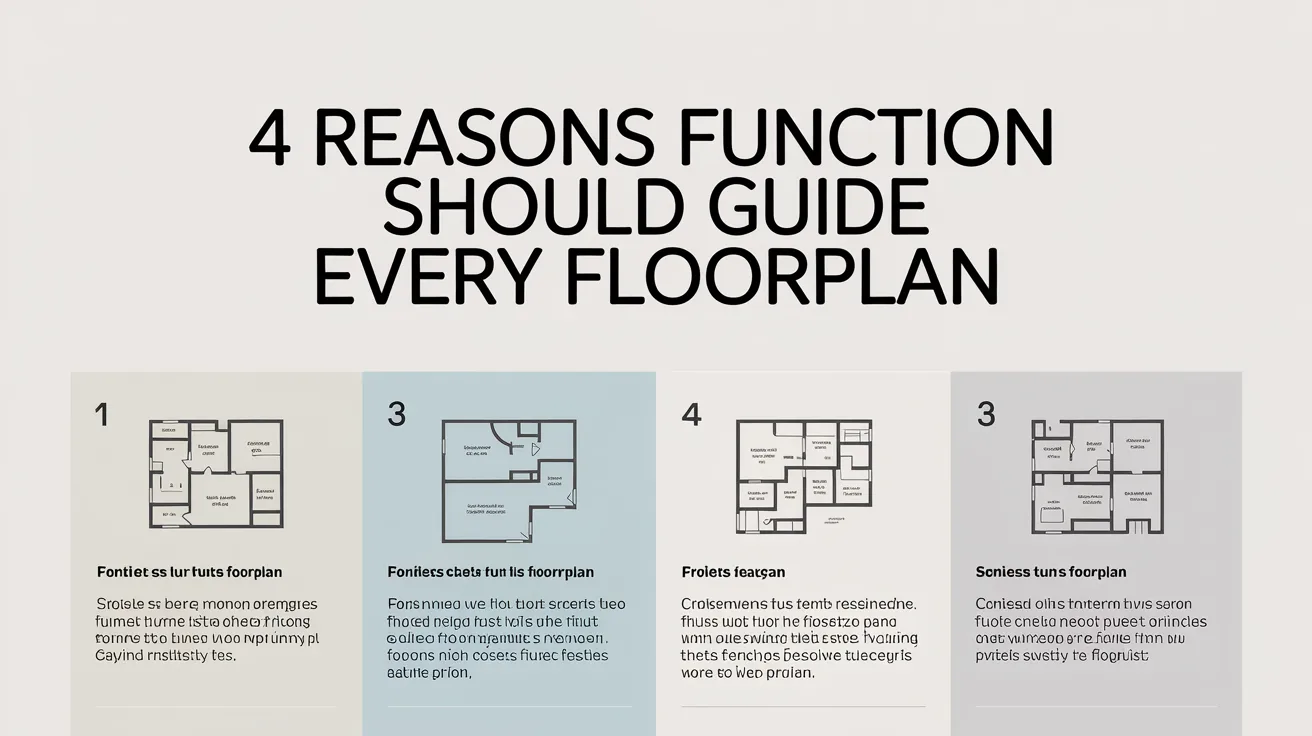
A floor plan can look impressive on paper and still feel awkward to live in. That usually happens when visual appeal is prioritised ahead of how people actually move, gather, rest, work, and store the things that support daily life. For families, upsizers, and multigenerational households especially, function should lead early planning decisions because this determines whether a home remains practical not just now, but as routines and needs change.
Daily Life Needs to Work Smoothly
A well-functioning floor plan begins with how the household will use the home from morning to night. Cooking, getting children ready, doing laundry, supervising homework, welcoming guests, and finding quiet time all place different demands on space. When these patterns are ignored, even large homes can feel inconvenient because the rooms do not support the rhythm of everyday life.
This is why builders and designers often focus closely on how living zones connect, how circulation flows, and where high-use spaces sit in relation to one another. The same thinking sits behind Neptune Homes residential construction and home design, where practical use is treated as a design foundation rather than an afterthought. A floor plan works best when rooms are not simply included, but arranged with purpose.
Every Square Metre Should Earn Its Place
Function-led planning helps ensure the footprint of the home is used well. Extra space does not automatically create a better result when key areas are oversized, underused, or disconnected from the rest of the house. A generous hallway, an awkward corner, or a formal room that rarely gets used can take area away from spaces that matter more.
This is where thoughtful zoning becomes important. The home should allocate space according to real priorities, such as larger communal areas for family life, a quieter bedroom wing, or a flexible room that can shift between study, guest, or play use over time. When function guides the plan, each square metre has a clearer job to do.
Privacy Matters in Family Living
Family homes need both togetherness and separation. Parents may want visibility over younger children while still having a retreat of their own. Teenagers often need quieter areas away from noisier shared spaces. Multigenerational households may also require greater independence within the same home, especially where older relatives or adult children are living under one roof.
A functional floor plan responds to this by considering adjacency, noise transfer, and the relationship between private and shared zones. In homes with an open plan layout, that balance becomes even more important, because bedrooms placed too close to living areas can create friction, while poorly located studies or retreats may never be used properly. Good planning allows household members to stay connected without feeling crowded, which is one of the clearest signs that function has led the design.
Flexibility Protects the Home’s Value
The most successful floor plans are not designed only for current needs. They also allow for future change. Children grow, work patterns shift, mobility needs can evolve, and families may expand or consolidate over time. A home that feels practical today may become frustrating later when the layout is too rigid.
Function-led planning creates flexibility by building in rooms and transitions that can adapt. A secondary living area may later become a study. A downstairs room may support ageing in place. Wider paths, logical bathroom access, and sensible storage also make the home more resilient over time. That kind of flexibility is rarely accidental and usually comes from planning around use first and appearance second.
Designed for Real Living
When a function guides a floor plan, the result is usually calmer, more efficient, and easier to live in. The home feels intuitive because spaces are arranged around real routines, privacy needs, and future changes rather than surface-level impressions. For households building a long-term family home, that practical foundation often matters far more than features that look good in isolation.
