

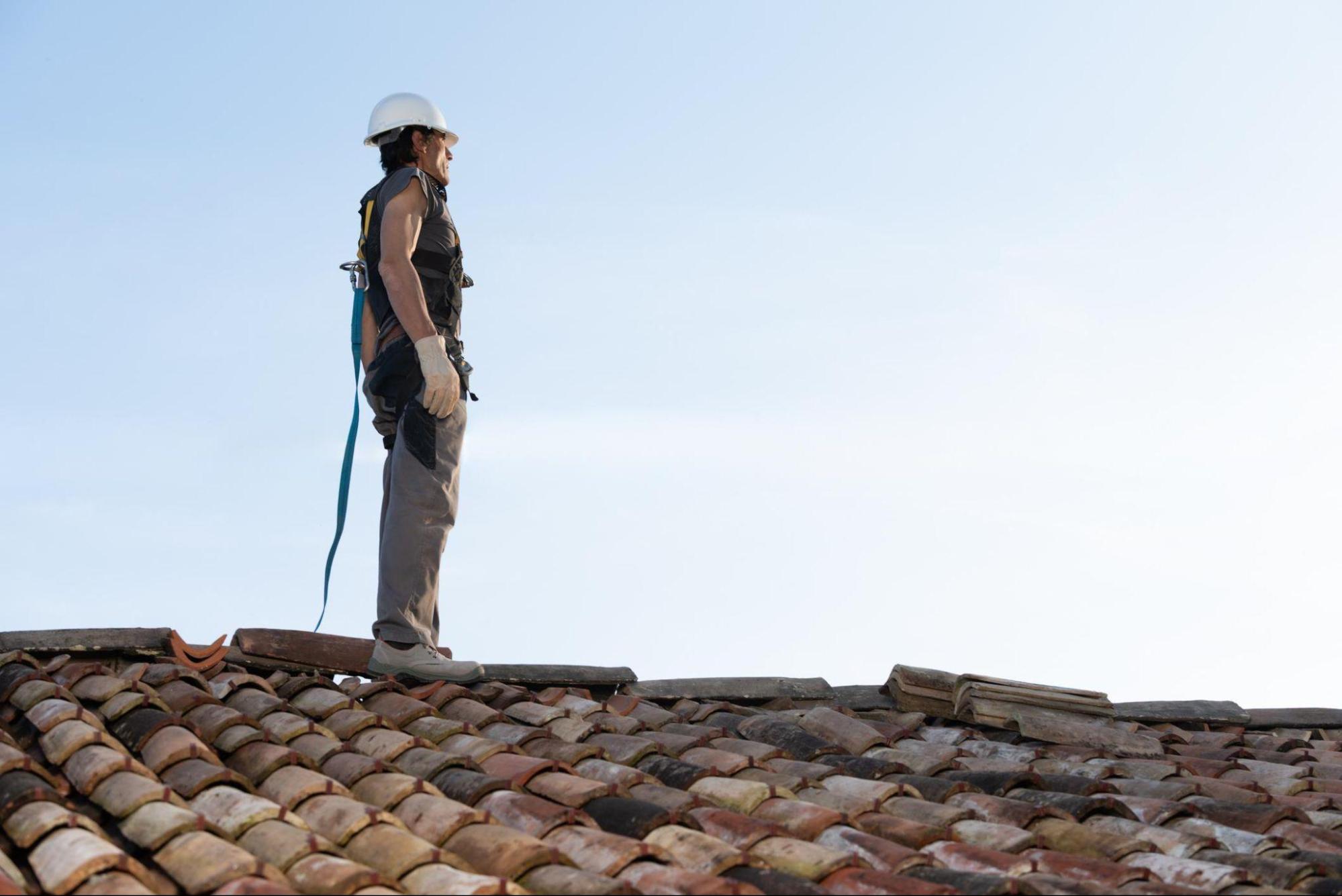
New Orleans is home to some of the most architecturally distinctive residential neighborhoods in the United States. Shotgun houses, Creole cottages, double galleries, and Victorian-era homes define neighborhoods like the Garden District, Uptown, and the Marigny. But these beautiful structures present unique roofing challenges. Aged materials, decades of makeshift repairs, and the relentless stress of New Orleans’s climate combine to create problems that require both technical expertise and sensitivity to the building’s history.
Deteriorated Slate and Clay Tile
Many older New Orleans homes were originally roofed with slate or clay tile, materials that can last well over a century when properly maintained, but which develop specific failure modes as they age. Individual tiles crack from impact, thermal cycling, or the expansion of the fasteners that hold them. Cracked tiles allow water infiltration that damages the roofing substrate beneath.
Repairing slate and tile roofs requires sourcing matching materials, a challenge on older homes where the original tile profiles or slate varieties may no longer be in production. An experienced roofing contractor in New Orleans homeowners trust will often have access to salvage materials and reclaimed tile sources that can closely match original installations while preserving the home’s historic appearance.
Flashing Failures
Flashing, the metal material used to seal roof transitions, chimneys, dormers, skylights, and valleys, is often the first point of failure on an aging roof. In historic homes, original lead or copper flashing may have survived for generations, but more commonly, previous repairs used substandard materials or improper installation methods that are now deteriorating.
Signs of flashing failure include water stains on interior walls or ceilings near exterior transitions, rust streaks running from chimneys or vents, and visible gaps or lifting at the flashing seams. These issues require immediate attention, water infiltrating at a flashing failure point can travel horizontally within the roof structure and cause damage far from where it entered.
Structural Wood Rot from Long-Term Moisture
The combination of age and New Orleans’s consistently high humidity creates conditions where structural wood components, rafters, decking, and fascia, can develop rot over extended periods. This is particularly common in homes with a history of minor leaks that were never fully resolved, or in areas where condensation builds up due to inadequate ventilation.
Addressing rot requires more than just surface repair. A thorough inspection should identify the full extent of affected wood, and all compromised material should be removed and replaced before new roofing is installed. Putting a new roof over a rotting structure is a common mistake that creates far larger problems within a few years.
Layers of Incompatible Repairs
Historic homes frequently have multiple generations of roofing layered over one another, asphalt patches over original slate, tar applications over modified bitumen, mismatched shingles across different sections of the roof. Each successive layer adds weight and can create hidden moisture traps between incompatible materials.
When assessing an older home, a thorough inspection should map the full history of repairs. In many cases, the most cost-effective long-term solution is a complete tear-off and fresh installation rather than continuing to add to a complex, compromised system.
Ventilation Problems Unique to Older Construction
Many historic New Orleans homes were built before modern ventilation standards existed. Attic spaces may be inadequately vented, creating heat and moisture buildup that accelerates roofing material degradation and contributes to structural wood rot. In some cases, previous owners have inadvertently blocked ventilation channels during renovation work.
A roofing contractor assessing an older home should evaluate ventilation as part of the overall system assessment. Upgrading ventilation during a roofing project adds modest cost but can significantly extend the life of the new installation.
For homeowners looking to improve storm resistance while preserving architectural integrity, modern fortified roofing Louisiana systems can provide additional protection against hurricanes and severe weather common across the Gulf Coast.
Working with Preservation Requirements
Properties in historic districts or listed on the National Register may be subject to preservation guidelines that govern visible roofing materials and colors. Homeowners should confirm what approvals are needed before beginning any roofing work that changes the exterior appearance of the structure.
The right contractor will be familiar with these requirements and can help navigate the approval process without adding unnecessary delays to the project.
