

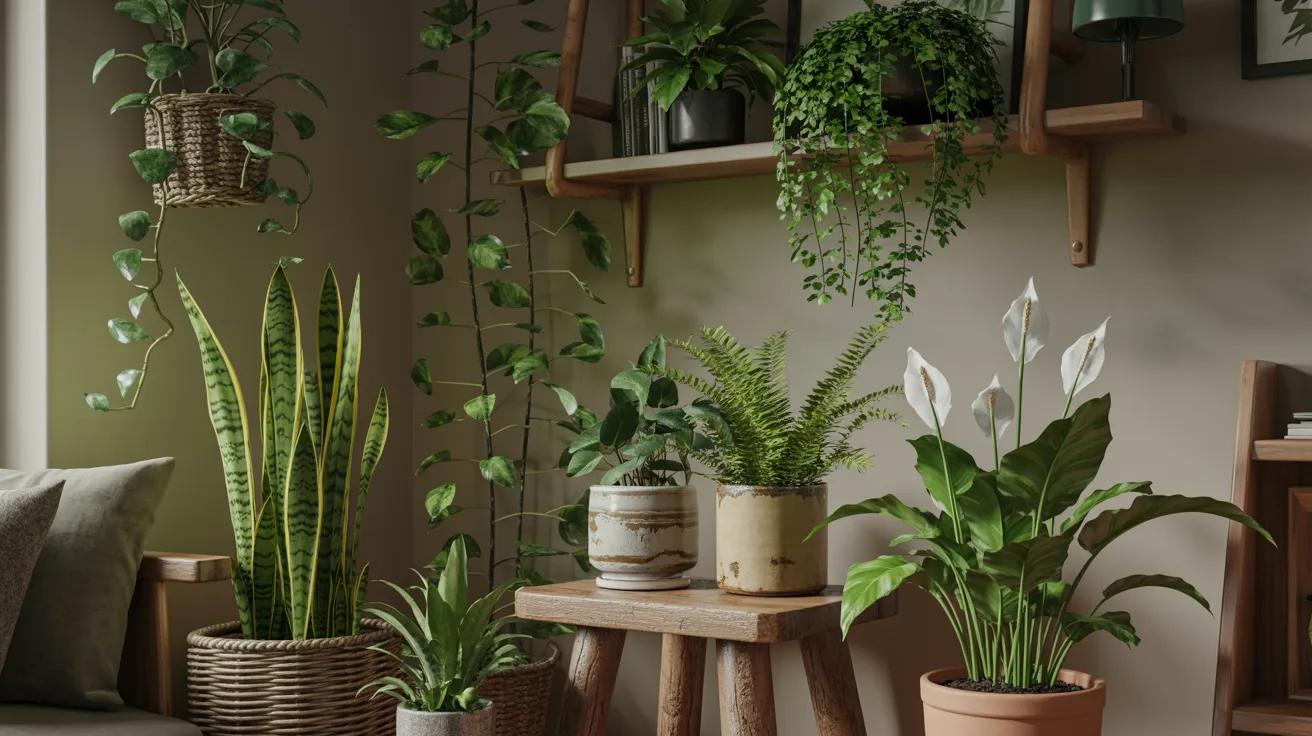
If you want your plants to survive and thrive it’s a good idea to pick ones that are relatively easy to maintain and are perfectly able to grow and prosper, even when lighting conditions might not be considered ideal.
A key criteria would be to look for shade perennials, as they last well, look good, and offer attractiveness combined with density, so that you end up with a landscaping design that is so nice and relaxing to spend time in.
If you are having to contend with shady conditions in your garden there’s a variety of shade-tolerant plants that are more than able to adapt to these conditions and give you a pleasurable outdoor experience each time you take in the scenery.
With that in mind, here’s a list of plants to choose from that are proven to thrive in low light conditions.
Begonia
This popular bedding plant will provide your garden with a stunning and colorful display from summer right through to fall. It works well in a hanging basket, or any shady area of your garden that you want to brighten up.
Abelia
This is one of the best shade-tolerant plants around. It’s also low maintenance and more than happy in either full or partial sun. That means it’s adaptable to a variety of conditions and locations. Abelia’s do look particularly good as border plants.
Caladium
This is a very distinctive and attractive plant that is very adaptable to partial or fully shaded locations. The combination of white, pink, and red colors adds a tropical vibe and will look very attractive as part of your landscaping scheme.
Coleus
This plant is usually grown as an annual and you will need to check which variety you are purchasing as this will dictate how much sun they need to prosper. The patterned foliage of a Coleus is very vibrant and can be used to add excellent color accents to your landscaping.
Ferns
This perennial is considered to be the go-to solution if you are trying to create a woodland environment in your garden. Ferns are excellent for delivering the sort of lush textures that are easy on the eye and pair well with other classic shade plants.
Coral bells
What you will find with Coral Bells is that you can get them in a diverse range of shades. If you like the sound of lemon or yellow foliage, or prefer something bolder like a deep burgundy, there’s bound to be a color that you are attracted to. Coral Bells are easy to care for and can cope with shade or full sun conditions.
Foamflower
If you want a plant that offers interest and appeal throughout the seasons you should take a look at the Foamflower perennial. It is a native woodland species that has an attractive patterned foliage and is brilliant if you want something for groundcover.
Foxglove
This is a plant that tends to look after itself over time. This is because it is able to self-sow, allowing you to enjoy almost endless seasons of bloom. Foxgloves are highly recognizable and will add height as well as interest to your borders.
Hosta
This is the plant that is often the go-to solution for landscape gardeners who want to add something that offers a range of colors combined with bold and textured foliage. The good news is that the majority of Hosta varieties are perfectly happy in very shady conditions, and will even thrive when placed under a tree with virtually no natural light.
Hellebore
If you are strategic with your planting you can enjoy blooms and color throughout the seasons. The Hellebore is one of the first to bloom, so you get plenty of time to enjoy their rich evergreen foliage and attractive flowers.
Impatiens
Another strong choice for a shaded bed would be the Impatiens plant. It blooms continuously from late spring right through to when the frost comes, and is available in a variety of colors.
Japanese Forest Grass
There are not many grasses that will cope with shady conditions but the Japanese Forest Grass is one of them. The golden foliage will brighten up any area and it is capable of growing in shady areas, especially when planted in a rich soil.
Mahonia
This is a durable evergreen that produces leaves that look very similar to Holly. The yellow blooms and purple fruit add more than a splash of color, and it will cope with even deeply shaded conditions.
Wishbone Flower
It’s a bit of a mystery why the Wishbone Flower doesn’t feature in as many gardens as other varieties, especially when you see how attractive and colorful it is. It combines well with Hosta’s and ferns and blooms prolifically throughout the summer months.
Astilbe
In contrast to the Wishbone Flower you can’t say that the Astilbe is underused. In fact, it is a favorite choice for gardeners who have a shaded area to fill. The vibrant plums it produces can be pink, red, violet, or white, so there’s plenty of variation.
Bleeding Heart
The heart-shaped flowers it produces are symbolic of grace and romance. It is happy in shade and does particularly well when placed in shaded woodland settings.
Deadnettle
The name might not be attractive, but this excellent groundcover plant has an attractive silver foliage and copes well with dry and shady conditions.
Dogwood
Elegance is the name of the game with Dogwood. You can get smaller varieties for more urban settings, or choose one that thrives in a more expansive woodland setting.
Hydrangea
This is a classic shrub that stands out for its bold summer blooms. Whether it’s bright pink, blue, or a host of other color varieties, you won’t be disappointed with this shade-loving variety.
Primrose
What you get with Primrose is a cornucopia of rainbow colors. It’s the very definition of a spring bloomer and it is bound to bring a smile to your face each time you visit your garden.
All of these options are worthy of recommendation in their own right. They are also perfect if you are looking to fill your shaded areas with plants that are bright, attractive, and extremely durable.
