

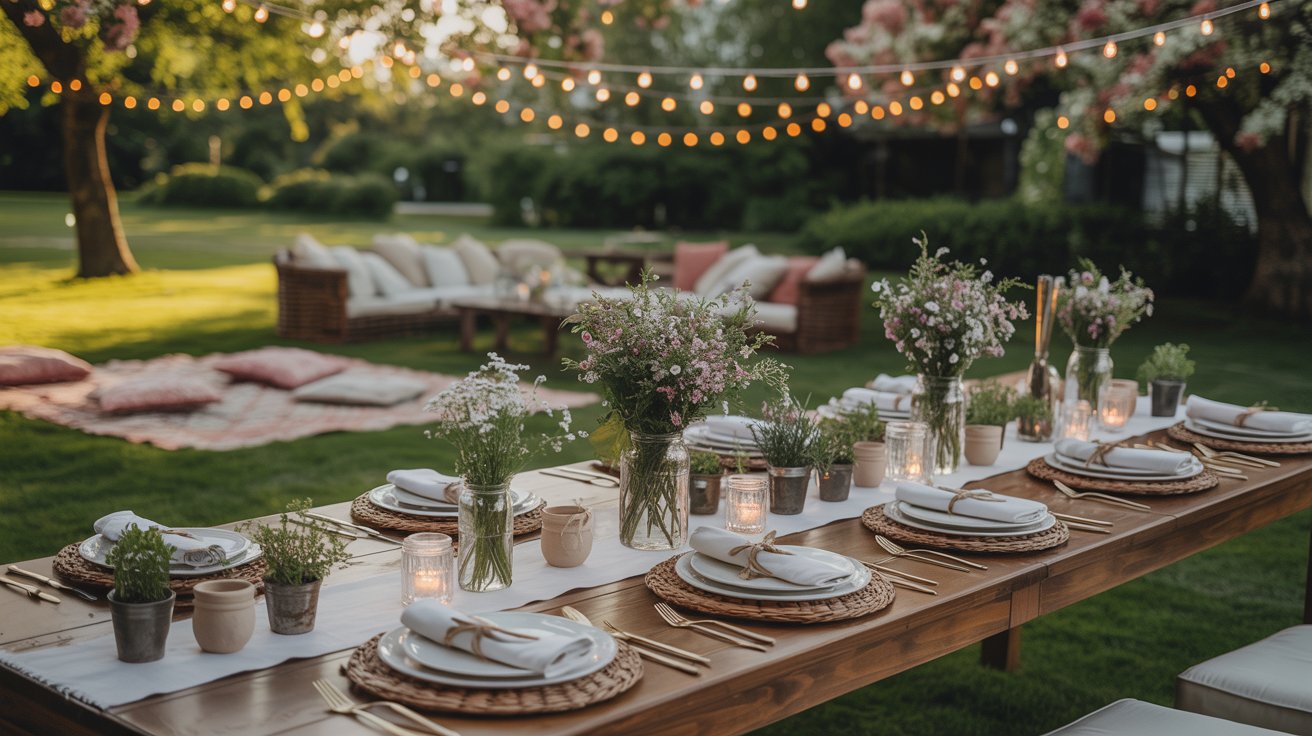
There is a certain kind of magic that only happens outdoors. The light hits differently, conversations stretch a little longer, and even the simplest meal feels elevated when it is served under open sky. A garden party does not need to feel fussy or overproduced to land well. In fact, the best ones usually feel like they came together naturally, even when there was clear intention behind every detail.
What makes a garden gathering memorable is not perfection. It is the way people feel when they arrive, settle in, and forget to check the time. That comes down to a mix of thoughtful setup, a few smart shortcuts, and a willingness to let things breathe instead of controlling every moment.
Start With The Setting
Before menus or décor even enter the conversation, take a good look at the space itself. A backyard, patio, or even a slightly wild patch of grass can work beautifully if it is arranged with intention. Instead of trying to overhaul the space, lean into what already exists. Mature trees, uneven stone paths, and natural greenery do most of the heavy lifting.
Seating matters more than people expect. Mixing chairs, benches, and even a few cushions on the ground creates a relaxed layout that encourages movement. Guests rarely stay in one place at a garden party, so give them options without making it feel like assigned seating. The lighting should feel soft and layered. String lights, lanterns, and a few candles go a long way once the sun starts to drop.
Set The Tone Early
The first few minutes set the entire rhythm of the gathering. People arrive, take in the space, and subconsciously decide how formal or relaxed they can be. That is why a simple welcome setup matters more than a long to do list.
A small drink station near the entrance works better than greeting each person with a full rundown of the evening. It lets guests ease in at their own pace, which is exactly what you want when hosting guests outdoors. A chilled pitcher of something seasonal, maybe citrus water or a light spritz, gives people something to do with their hands while conversations start to unfold.
Music should sit in the background, not compete with the atmosphere. Think low, steady, and just noticeable enough to fill quiet gaps without drawing attention.
Let The Table Carry It
The table is where everything comes together, so it is worth putting a little extra thought into it. That does not mean over styling it. In fact, the most inviting tables often feel slightly imperfect, like they evolved rather than being staged.
Start with a neutral base, then layer in texture. Linen runners, ceramic serving pieces, and fresh greenery pulled straight from the yard keep things grounded. You do not need elaborate centerpieces. A few small arrangements spaced down the table feel more natural and leave room for food and conversation.
Presentation makes a difference, and a beautiful dinner set of quality dishes makes all the difference when everything is laid out. It signals care without saying a word. Even simple food feels more considered when it is served on pieces that have weight and character.
Keep the layout functional. Guests should be able to reach what they need without constantly asking someone to pass things across the table. That ease is what keeps the energy flowing instead of stalling it.
Keep The Menu Smart
Garden party food works best when it does not require constant attention. You want dishes that hold up well outside and can sit comfortably for a bit without losing their appeal. Think platters over plated courses, and lean toward options that people can serve themselves.
Seasonal produce tends to carry the menu without much effort. Fresh salads, grilled vegetables, simple proteins, and a dessert that can be sliced or shared all fit naturally into the setting. The goal is variety without overload. Too many choices slow people down and shift the focus away from the experience.
Prep as much as possible ahead of time. The more you can do before guests arrive, the more present you will feel once things are underway. No one enjoys disappearing into the kitchen while everyone else is outside.
Add Small Comforts
Outdoor gatherings come with their own set of variables, so it helps to think a few steps ahead. A basket of light blankets for cooler evenings, a discreet bug repellent option, and a shaded area for peak sun hours all go a long way in keeping people comfortable without drawing attention to the logistics.
Drinks should be easy to access throughout the evening. A self-serve setup keeps things moving and removes the need to constantly check on everyone. It also encourages guests to settle in and make themselves at home, which is exactly the tone you want.
Details like cloth napkins, sturdy glassware, and a place to set down plates without balancing them on laps might seem minor, but they shape the entire experience in subtle ways.
Let The Night Unfold
The best garden parties have a natural rhythm. They do not rush from one moment to the next or try to follow a strict schedule. Instead, they build gradually, allowing conversations to deepen and groups to shift organically.
Resist the urge to direct every moment. Once the basics are in place, step back and let things happen. People will gravitate where they feel comfortable, and that movement is part of what makes the evening feel alive.
If anything, your role becomes more about maintaining the atmosphere than managing it. Refilling a drink station, adjusting lighting as the sun fades, or clearing a few plates quietly in the background keeps everything running without interrupting the flow.
A Simple Sendoff
As the evening winds down, there is no need for a formal ending. Garden parties tend to taper off naturally, with smaller conversations lingering as others head out. A simple gesture, maybe offering a last drink or packaging up a bit of dessert, creates a soft close without making it feel abrupt.
The real success of the night shows up in how reluctant people are to leave. That usually means you got it right without trying too hard.
A garden party works when it feels easy, even if it was thoughtfully planned. The setting does part of the work, the table carries the rest, and everything in between simply supports the mood. When people leave feeling relaxed, a little sun kissed, and like they were part of something unforced, that is the whole point.
