


Why Sustainable Pest Prevention Outperforms Temporary Treatments
Quick Answer
Sustainable pest prevention focuses on eliminating the conditions that attract pests – like moisture, food sources, and entry points – rather than just treating visible infestations. By addressing root causes through exclusion, sanitation, and monitoring, homeowners and businesses achieve more reliable, healthier, and cost-effective outcomes over time. This proactive approach reduces reliance on reactive chemical applications and supports a safer indoor environment year-round.
Introduction
Every spring, as snow melts and temperatures rise, Canadian homeowners notice unwelcome visitors: ants tracing kitchen baseboards, rodents seeking shelter in attics, or spiders weaving corners of damp basements. The instinctive reaction? Reach for a spray, set a trap, or call for a quick fix. But what if the real solution isn’t about reacting – it’s about preventing?
That mindset shift is where lasting change begins. Working with experienced professionals – such as Absolute Pest Control specialists – helps property owners identify vulnerabilities before pests exploit them. This collaborative, knowledge-based approach forms the foundation of sustainable pest prevention, prioritizing exclusion, habitat modification, and smart monitoring over temporary interventions.
In this guide, we’ll explore why preventive strategies deliver superior results for Canadian properties, how integrated methods protect health and property value, and what practical steps you can take today. Whether you manage a heritage home in a historic neighbourhood or a modern commercial space, understanding the “why” behind prevention empowers smarter, more confident decisions.
Why Sustainable Pest Prevention Delivers Lasting Results
When pests appear, the urge to eliminate them immediately is understandable. Yet temporary treatments – like surface sprays or one-time traps – often provide only short-lived relief. Sustainable prevention takes a different path: it identifies and resolves the underlying conditions that invite inhabitants in the first place. This section breaks down why this approach consistently outperforms reactive fixes across Canadian homes and businesses.
Addressing Root Causes vs. Symptom Management
Temporary treatments target what you see: a trail of ants, a mouse dropping, or a cluster of spiders. Sustainable strategies ask why they’re there. Common attractants include:
- Unsealed cracks around windows, doors, or foundations
- Standing water or poor drainage near structures
- Cluttered storage areas that create sheltered nesting zones
- Improper food storage or waste management practices
By systematically eliminating these entry points and attractants, property owners create an environment that small intruders simply won’t tolerate. This foundational work delivers long-term pest protection that reactive methods can’t match – because it removes the invitation, not just the guest.
The Science of Integrated Pest Management (IPM)
Integrated Pest Management is the gold standard for sustainable prevention. It’s a cyclical, evidence-based process built on four pillars:
| Pillar | Purpose | Real-World Example |
| Monitor & Identify | Confirm type, population level, and activity patterns | Using sticky traps to track spider movement in a basement before deciding on action |
| Prevent | Modify the environment to discourage infestation | Installing door sweeps and repairing screens to block seasonal insect entry |
| Intervene Strategically | Apply targeted, minimal-impact controls only when needed | Using bait stations in specific wall voids instead of whole-house fogging |
| Evaluate & Adapt | Review outcomes and refine the plan over time | Adjusting moisture control tactics after a wet spring increases silverfish activity |
This method reduces chemical reliance, protects non-target species (like pets and pollinators), and adapts to changing conditions – making it especially valuable across Canada’s diverse climates.
Comparing Outcomes: Prevention vs. Temporary Fixes
To visualize the difference, consider this side-by-side comparison:
| Factor | Temporary Treatment | Sustainable Prevention |
| Duration of Results | Days to weeks | Months to years |
| Cost Over 3 Years | Repeated service calls + product purchases | One-time exclusion upgrades + minimal maintenance |
| Health Impact | Potential exposure to broad-spectrum chemicals | Reduced chemical use; focus on physical barriers |
| Property Impact | May miss hidden damage (e.g., gnawed wires) | Early detection prevents structural or electrical hazards |
| Environmental Footprint | Higher runoff and non-target effects | Lower toxicity; supports ecosystem balance |
The data is clear: investing in prevention pays dividends in safety, savings, and peace of mind.
Adapting to Canadian Seasons and Building Styles
Canada’s climate presents unique pest challenges – freeze-thaw cycles that widen foundation cracks, humid summers that encourage carpenter ants, or autumn rodent migrations seeking warmth. Sustainable prevention accounts for these rhythms. For instance, scheduling exterior inspections in late fall helps seal entry points before winter drives intruders indoors. Similarly, managing vegetation near older heritage homes reduces bridge pathways for climbing insects. This seasonal, site-specific planning is where consulting with pest prevention experts adds significant value, ensuring strategies align with local conditions and building characteristics.
Your Practical Roadmap to Sustainable Pest Prevention
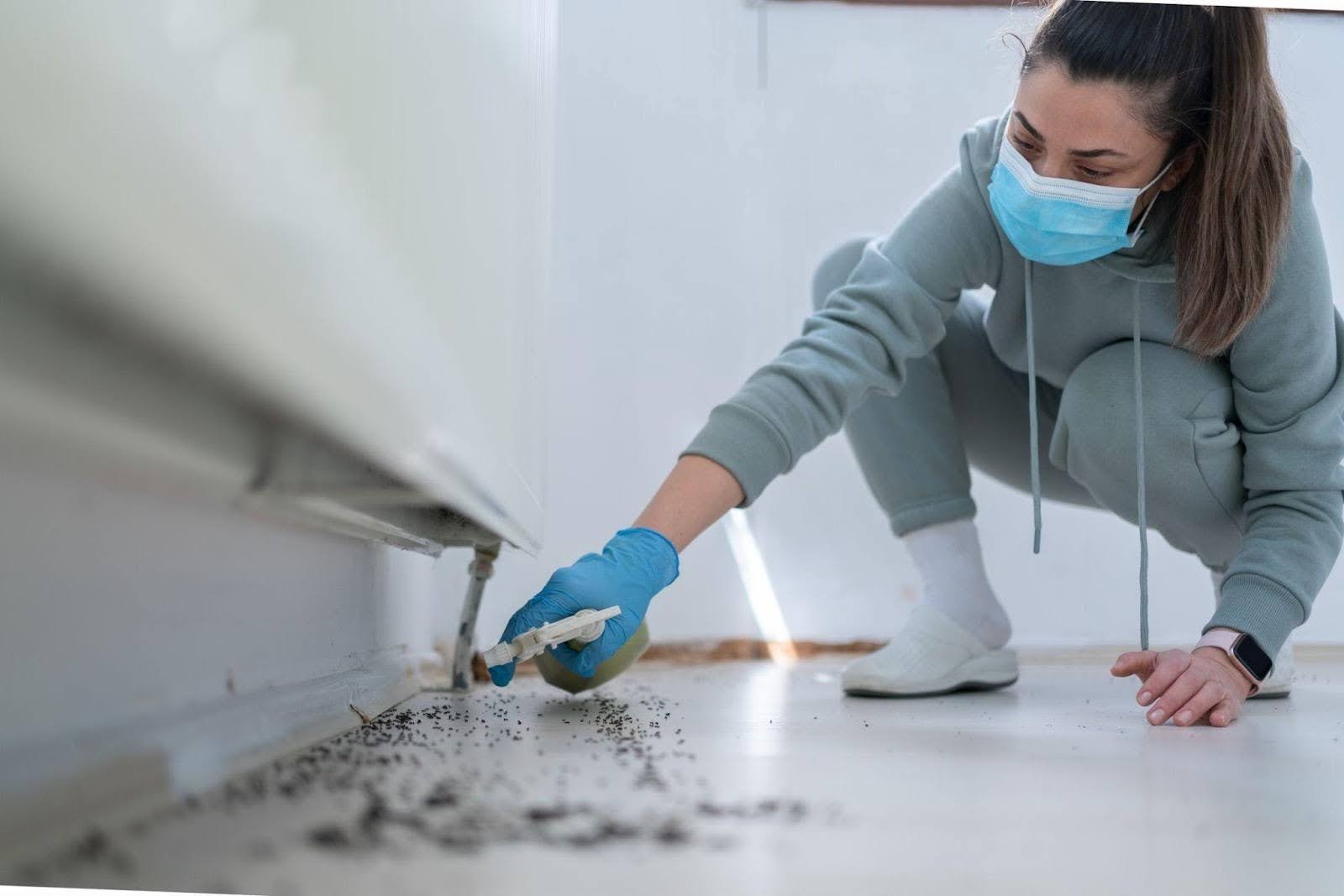
Understanding the value of prevention is one thing – putting it into practice is another. The good news? You don’t need a complete property overhaul to start seeing results. Small, consistent actions create meaningful change. Below is a streamlined, actionable framework designed for Canadian property owners who want smarter, safer management without the guesswork.
Conduct a Seasonal Property Walkthrough
A quick, focused inspection each season helps catch vulnerabilities before pests do. Use this simple checklist:
|
Season |
Priority Areas |
10-Minute Quick Win |
|
Spring |
Foundation cracks, window screens, drainage |
Clear debris from eaves and downspouts |
|
Summer |
Door seals, outdoor storage, vegetation gaps |
Trim branches 30 cm away from exterior walls |
|
Fall |
Attic vents, utility penetrations, garage seals |
Install door sweeps on exterior entry points |
|
Winter |
Basement humidity, firewood storage, interior clutter |
Store seasonal items in sealed plastic bins |
Tracking these checks in a notes app or home maintenance journal builds a helpful history – and makes future inspections faster.
Focus on High-Impact, Low-Effort Upgrades
Not all prevention tasks require a contractor. Start with these cost-effective upgrades that deliver outsized returns:
- Seal entry points: Use silicone caulk or copper mesh to close gaps around pipes, cables, and foundation joints
- Improve ventilation: Reduce basement and crawl space moisture with dehumidifiers or vent upgrades
- Upgrade waste management: Use tightly lidded bins for compost and recycling, and rinse containers before storage
- Adjust landscaping: Grade soil away from foundations and avoid mulch piled against siding
These steps create physical and environmental barriers that deter pests naturally. For properties with unique layouts, heritage features, or recurring challenges, consulting with local pest specialists can help tailor these fundamentals to your specific context – ensuring your efforts align with regional behaviour and building standards.
Build a Simple Monitoring Habit
Prevention isn’t “set and forget.” A lightweight monitoring routine keeps you ahead of surprises:
- Place unobtrusive sticky traps in low-traffic zones (e.g., basement corners, utility rooms) to detect early activity
- Note seasonal patterns: Are ants appearing near the same window each July? Do rodents show up after the first frost?
- Review findings quarterly and adjust your strategy – maybe that window needs better sealing, or vegetation needs trimming
This proactive awareness turns pest control Calgary from a reactive stressor into a predictable part of property care.
Know When to Bring in Targeted Support
Even the best DIY efforts have limits. Consider professional guidance when you notice:
- Recurring infestations despite consistent prevention efforts
- Signs of structural damage (e.g., gnawed beams, tunneling in wood)
- Health or safety concerns (e.g., wasp nests near entries, rodent contamination)
The right partner will prioritize education, transparency, and customized planning – offering residential & commercial pest solutions grounded in IPM principles, not just quick applications. This ensures your investment supports both immediate peace of mind and lasting property resilience.
Final Thoughts: Building a Healthier, Pest-Resilient Property
Sustainable prevention isn’t about perfection – it’s about progress. By shifting focus from quick fixes to thoughtful, ongoing care, Canadian property owners create spaces that are safer, more comfortable, and inherently less inviting to pests. The strategies outlined here – seasonal inspections, targeted upgrades, and simple monitoring – work because they align with how buildings age, how seasons change, and how small intruders actually behave.
