

Power outages are no longer rare events that happen once every few years. Across many regions, homeowners are experiencing more frequent disruptions caused by severe weather, aging electrical infrastructure, equipment failures, and increasing demand on the power grid.
For many families, losing electricity is no longer just an inconvenience. Modern homes rely on power for communication, food storage, internet access, work, security systems, and even healthcare equipment. When the lights go out, daily life can quickly become stressful.
That is one of the main reasons more homeowners are creating emergency power plans before the next outage happens.
Why Power Outages Have Become a Bigger Problem
A few decades ago, a temporary outage usually meant using a flashlight and waiting for the utility company to restore power.
Today, households depend on electricity in ways that were almost unimaginable in the past.
Remote work, online learning, smart home devices, security cameras, streaming services, and connected appliances all require a stable power supply. Even a short outage can interrupt important activities and create unexpected challenges.
The most common concerns include:
- Food spoilage
- Loss of internet access
- Inability to charge phones and laptops
- Security system interruptions
- Medical equipment concerns
- Loss of heating or cooling
For families that rely heavily on technology, a prolonged outage can have significant consequences.
The Shift Toward Preparedness
One of the biggest changes in recent years is how homeowners think about emergency planning.
Rather than waiting until a storm is approaching, many people are taking proactive steps to prepare in advance.
Preparedness no longer means storing large amounts of emergency supplies or investing in expensive equipment.
Instead, most homeowners are focusing on practical solutions that allow them to maintain essential services during temporary outages.
This shift has made emergency planning more accessible and affordable for the average household.
Identifying What Really Matters
When people first start planning for outages, they often assume they need enough backup power to run their entire home.
In reality, most families only need a small number of devices to remain operational.
For example:
- Refrigerators and freezers
- Internet routers and modems
- Smartphones
- Laptop computers
- Basic lighting
- Medical equipment
By focusing on these essentials, homeowners can create a realistic and cost-effective backup strategy.
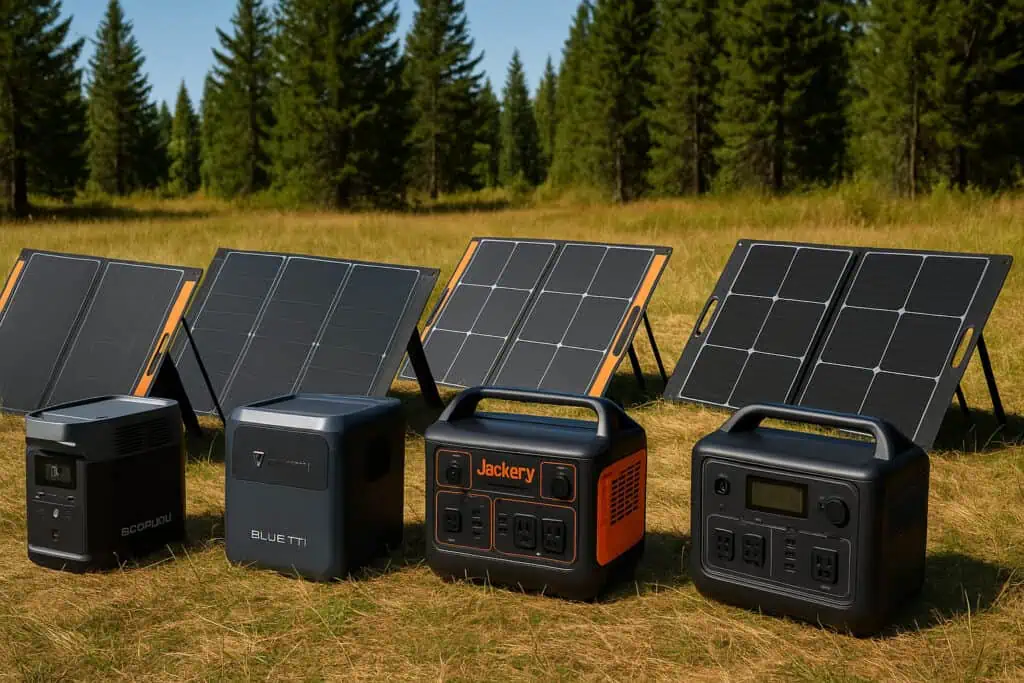
Many households find that the latest best portable solar generatorsprovide enough power to handle these critical needs without requiring a permanent installation.
Why Portable Backup Systems Are Becoming Popular
Portable power stations and solar generators have become one of the fastest-growing categories in emergency preparedness.
Unlike traditional fuel-powered generators, modern battery-based systems offer several advantages:
- Quiet operation
- No fuel storage requirements
- Minimal maintenance
- Indoor-safe operation
- Solar charging capability
For homeowners who experience occasional outages, these systems provide a practical balance between convenience and reliability.
The ability to recharge from solar panels also makes them attractive for extended emergencies and outdoor use.
Understanding Your Energy Needs
One of the most common mistakes homeowners make is purchasing backup equipment without understanding their actual energy requirements.
Different devices consume vastly different amounts of power.
For example, a refrigerator requires significantly more energy than a Wi-Fi router. Medical devices may have completely different requirements than laptops or smartphones.
Before purchasing any backup system, homeowners should calculate:
- Which devices need power
- How long they need them to run
- Total daily energy consumption
- Future backup requirements
Taking a few minutes to estimate energy needs can prevent costly mistakes and help homeowners choose the right equipment.
Many families discover that solar generators for home backup provide sufficient capacity for their essential devices while remaining easy to transport and operate.
Preparing for Severe Weather:
Weather remains one of the leading causes of power outages.
Storms, hurricanes, winter weather events, high winds, and heat waves can all damage electrical infrastructure or increase demand on the grid.
Because weather conditions can change rapidly, having a backup plan in place before an emergency occurs is critical.
Prepared households are able to respond calmly and efficiently when outages happen.
Instead of rushing to find supplies or backup solutions, they already know exactly how they will keep important devices running.
Peace of Mind Matters
While backup power provides practical benefits, many homeowners say the greatest advantage is peace of mind.
Knowing that food will remain cold, phones can stay charged, and essential devices can continue operating reduces stress during uncertain situations.
Preparedness helps transform a potentially stressful event into a manageable inconvenience.
Rather than worrying about what might happen during an outage, families can focus on staying safe and comfortable.
Building a Simple Emergency Power Plan
Creating a basic outage plan does not need to be complicated.
A good starting point includes:
- Identifying critical devices.
- Estimating energy requirements.
- Selecting an appropriate backup solution.
- Testing equipment regularly.
- Reviewing the plan before major storm seasons.
These simple steps can dramatically improve household resilience.
Final Thoughts
Power outages are an unavoidable reality for many homeowners. While it is impossible to prevent every disruption, proper preparation can significantly reduce the impact.
By focusing on essential devices, understanding energy requirements, and investing in practical backup solutions, families can improve their readiness and confidence.
The growing interest in portable backup power reflects a broader trend toward preparedness, self-reliance, and resilience.
For homeowners looking to protect their families and maintain essential services during outages, creating an emergency power plan is one of
