

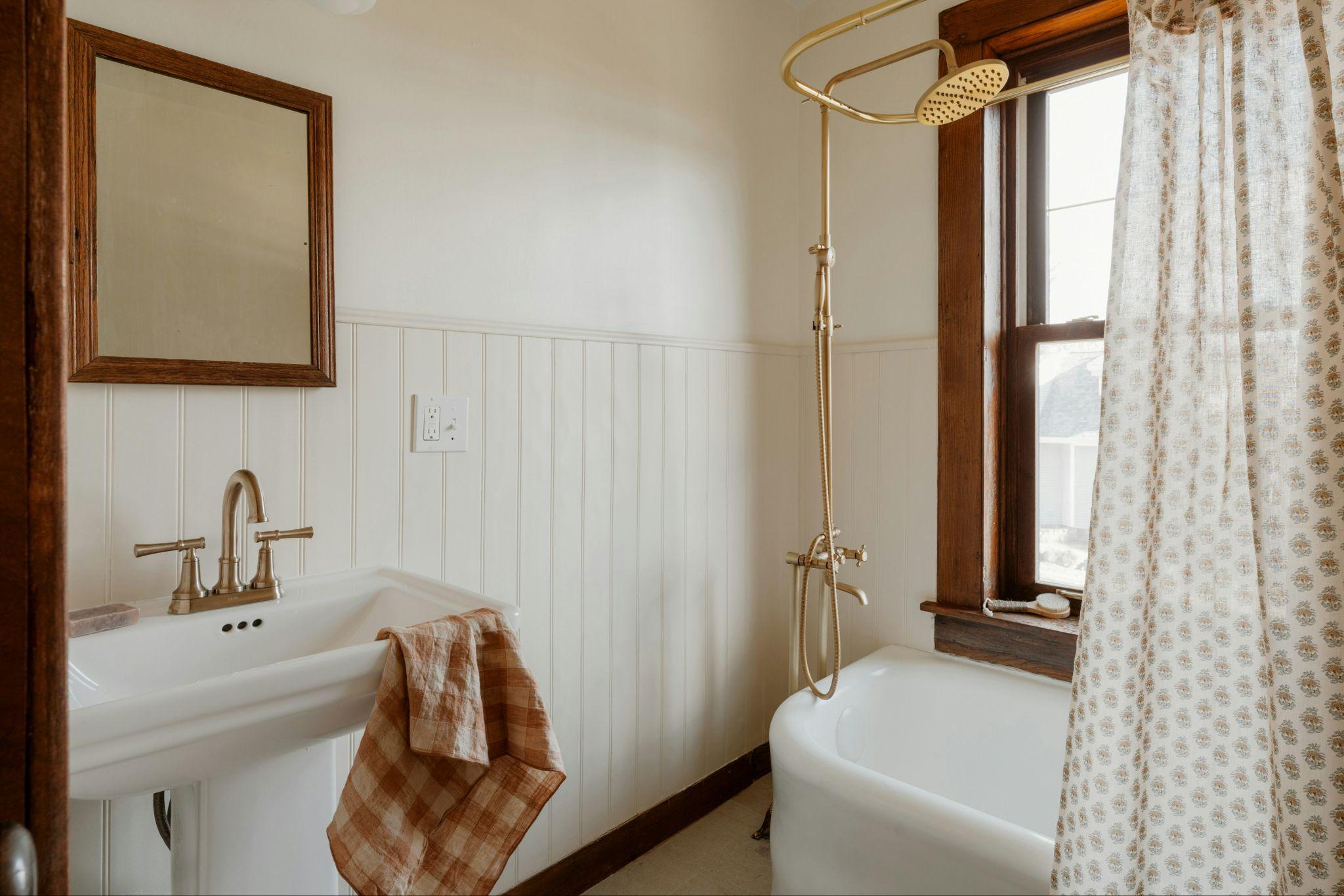
Older homes often come with undeniable charm, character, and craftsmanship that newer properties may lack. However, aging plumbing systems can create recurring challenges for homeowners, especially in bathrooms where water usage is constant. Low water pressure, outdated fixtures, hidden leaks, and inefficient drainage are all common issues found in older properties.
Improving bathroom plumbing efficiency doesn’t always require a complete renovation. In many cases, strategic upgrades and proper maintenance can significantly improve performance, reduce water waste, and lower utility costs. By understanding the unique plumbing concerns associated with older homes, homeowners can create a bathroom that functions more efficiently while preserving the home’s original appeal.
Understand the Existing Plumbing System
Before making upgrades, it’s important to understand the condition of the current plumbing system. Many older homes still contain galvanized steel, cast iron, or aging copper pipes that may have deteriorated over time. Corrosion, mineral buildup, and small leaks can reduce water flow and place extra strain on the plumbing system.
A professional inspection can help identify hidden issues behind the walls or under the flooring before they become expensive repairs. Understanding the age and material of the pipes also helps determine whether small repairs will be sufficient or if partial pipe replacement is necessary.
Upgrade Outdated Bathroom Fixtures
One of the easiest ways to improve plumbing efficiency is by replacing old fixtures with modern, water-saving alternatives. Older toilets, faucets, and showerheads maintain strong pressure while using less water per minute. Modern faucets equipped with aerators also minimize water waste while maintaining a steady flow.
These upgrades not only improve efficiency but can also lower monthly bills over time. In many cases, homeowners notice immediate improvements in water usage and bathroom functionality after replacing outdated fixtures.
Address Hidden Leaks Promptly
Small plumbing leaks may seem harmless at first, but over time they can waste large amounts of water and contribute to structural damage. Older homes are particularly vulnerable because aging pipe connections and worn seals are more likely to fail.
Fixing leaks quickly helps maintain plumbing efficiency and prevents moisture-related problems such as mold growth or wood rot. Even a slow-dripping faucet can waste hundreds of gallons of water annually if ignored.
Improve Drainage Performance
Bathroom drains in older homes frequently suffer from years of buildup caused by soap residue, hair, minerals, and debris. Slow drainage can place unnecessary pressure on the plumbing system and eventually lead to stubborn clogs.
Routine drain cleaning helps maintain efficient water flow and reduces the risk of backups. Homeowners should avoid harsh chemical drain cleaners whenever possible because they can damage aging pipes over time. Instead, safer maintenance methods include:
- Using drain strainers to catch debris
- Flushing drains with hot water regularly
- Cleaning traps periodically
- Scheduling professional drain inspections when needed
In some cases, recurring drainage issues may indicate more significant sewer line concerns that require professional evaluation.
Replace Aging Pipes Strategically
Completely replacing the plumbing in an older home can be expensive, but targeted pipe replacement may provide substantial improvements without requiring a full remodel.
Pipes located near bathrooms often experience the highest levels of wear due to consistent use. Replacing corroded or leaking sections can improve water pressure, reduce contamination risks, and increase overall system reliability.
Modern materials such as PEX and copper are commonly used for plumbing because they are durable, resistant to corrosion, and better suited for today’s water demands.
Homeowners, particularly in New Jersey, who are uncertain about the condition of their plumbing system may benefit from consulting a plumber Fairfield NJ that residents trust for inspections and recommendations on efficient upgrades that fit both the home’s structure and budget.
Install Water-Efficient Technology
Technology has made it easier than ever to improve bathroom plumbing efficiency in older homes. Smart plumbing devices can help homeowners monitor water usage, detect leaks early, and reduce unnecessary waste. Popular upgrades include:
- Smart leak detectors: These devices monitor moisture levels and send alerts if leaks are detected. Early warning signs help prevent costly water damage.
- Touchless faucets: Automatic faucets help reduce water waste by shutting off when not in use. They also improve hygiene and convenience.
- Dual-flush toilets: These toilets offer separate flush settings for liquid and solid waste, reducing unnecessary water use.
- Tankless water heaters: Older homes often rely on inefficient traditional water heaters. Tankless systems provide hot water on demand while using less energy overall.
While not every older home requires high-tech upgrades, integrating even a few modern features can significantly improve efficiency.
Improve Bathroom Ventilation
Although ventilation isn’t directly part of the plumbing system, it plays a major role in maintaining bathroom efficiency and preventing moisture-related issues. Older bathrooms may lack adequate airflow, leading to humidity buildup that damages walls, fixtures, and plumbing components.
Installing or upgrading exhaust fans helps reduce excess moisture and prevents mold growth around pipes and fixtures. Proper ventilation also protects cabinetry, flooring, and paint from long-term water exposure. Bathrooms with improved airflow tend to experience fewer maintenance issues overall, especially in homes with aging infrastructure.
Maintain Consistent Water Pressure
Low or inconsistent water pressure is a common complaint in older homes. Mineral buildup inside pipes, hidden leaks, outdated pressure regulators can all contribute to poor performance. Improving water pressure may involve:
- Cleaning faucet aerators
- Replacing clogged showerheads
- Inspecting shut-off valves
- Repairing leaks
- Upgrading narrow or corroded pipes
It’s important not to ignore sudden pressure changes, as they may signal underlying plumbing problems that require immediate attention. Maintaining balanced water pressure not only improves comfort but also helps protect appliances and fixtures from unnecessary strain.
Schedule Preventive Plumbing Maintenance
Preventive maintenance is one of the most effective ways to improve long-term plumbing efficiency in older homes. Regular inspections allow homeowners to identify minor issues before they escalate into major repairs. A yearly plumbing evaluation may include:
- Drain cleaning
- Leak inspections
- Water heater maintenance
- Pipe condition assessments
- Sewer line inspections
- Water pressure testing
Routine maintenance extends the lifespan of plumbing systems while helping homeowners avoid emergency repairs and unexpected expenses
Endnote
Improving bathroom efficiency in older homes requires a combination of smart upgrades, routine maintenance, and proactive problem-solving. By taking a strategic approach and addressing plumbing concerns early, homeowners can preserve the value of their older property while creating a bathroom that functions efficiently for years to come.
