

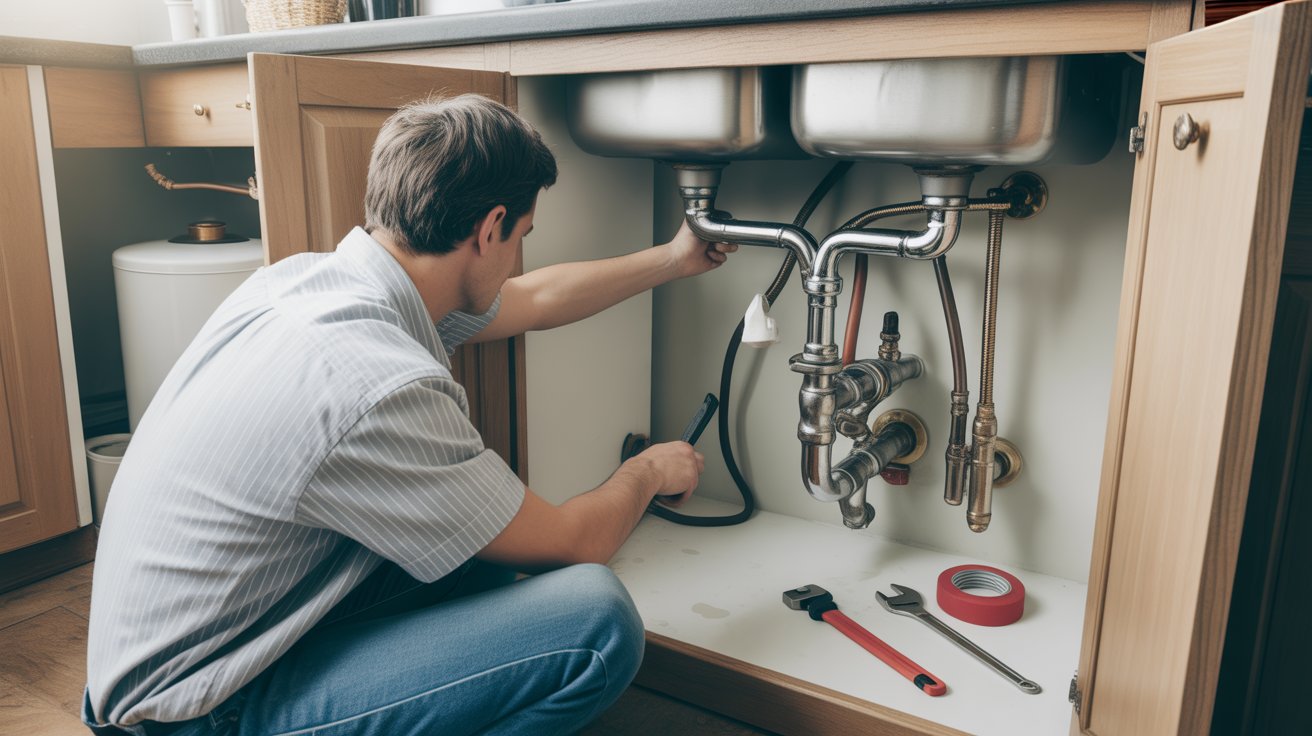
Homeowners often face high water bills and unexpected repair costs due to inefficient plumbing systems. Studies show that up to 10% of homes have leaks that waste 90 gallons or more per day. Regular maintenance can prevent such leaks and improve the overall functioning of plumbing systems.
In this article, we explore how regular plumbing maintenance can boost efficiency, prevent common issues, and provide lasting benefits to homeowners’ budgets and peace of mind.
Enhancing Plumbing Efficiency Through Regular Maintenance
Routine checks and upkeep of plumbing systems are known to significantly enhance their efficiency. By addressing minor issues before they grow, homeowners can save up to 25% on utility costs. Proper maintenance involves regular inspections and timely repairs.
Inspecting pipes and fixtures for visible damage or leaks helps maintain optimal water pressure and flow. This not only reduces water waste but also helps appliances function better. Homeowners who schedule regular maintenance find such services beneficial and cost-effective in the long run.
Engage a professional plumber who offers comprehensive evaluations and tailored advice. They can prioritize repairs and provide guidance on energy-saving upgrades. According to experts, scheduled maintenance has long-lasting effects, ultimately saving time and money.
Key Maintenance Tasks for Optimal Plumbing Function
Regular plumbing maintenance tasks, such as cleaning drains and replacing worn-out washers, are crucial for optimal performance. Addressing simple issues can prevent major system failures. Equipment like water heaters should be flushed annually to remove sediment buildup.
Keeping pipes insulated is another key task. This prevents them from freezing in colder months, which could lead to costly repairs. Additionally, keeping an eye on water pressure levels ensures that there’s no excessive strain on the system.
Homeowners are encouraged to create a maintenance checklist to track these tasks. Scheduling routine inspections with a licensed plumber can help identify potential problems early. This proactive approach reduces the likelihood of unexpected repair expenses. For further insight, refer to this guide on essential plumbing tasks.
Identifying and Resolving Common Plumbing Issues
Frequent plumbing issues like dripping faucets and running toilets can be a significant drain on resources. These minor problems often escalate if left unattended. For instance, a continuously running toilet can waste over 200 gallons of water daily.
To tackle these common problems, homeowners should learn to recognize early signs of plumbing inefficiencies. Often, the first step is a simple repair or replacement of faulty components. Moreover, addressing these issues promptly can prevent damage to other parts of the plumbing system.
Using quality, durable materials can prevent recurring issues. Consulting a licensed plumber for persistent problems will ensure that the root cause is effectively addressed. For detailed guidance on fixing plumbing issues, see this resource on plumbing solutions.
Long-Term Benefits of Consistent Plumbing Care
Consistent plumbing maintenance extends the life of a home’s plumbing system by many years. Properly maintained systems are less likely to suffer significant failures, which can otherwise result in expensive emergency repairs.
Investing in plumbing maintenance enhances the overall value of the property. Potential buyers are more attracted to homes with well-documented maintenance histories, as this suggests fewer anticipated repairs.
Homeowners are advised to set up regular maintenance schedules and keep detailed records of all inspections and repairs. By doing so, they ensure their systems run efficiently and reduce long-term costs. Consistent care also means reduced environmental impact due to lower water waste.
Overall, regular plumbing maintenance is a wise investment. By preventing issues, reducing costs, and extending the lifespan of the system, homeowners can enjoy a reliable plumbing infrastructure. Regular care not only benefits individual households but also supports broader environmental conservation efforts.
