

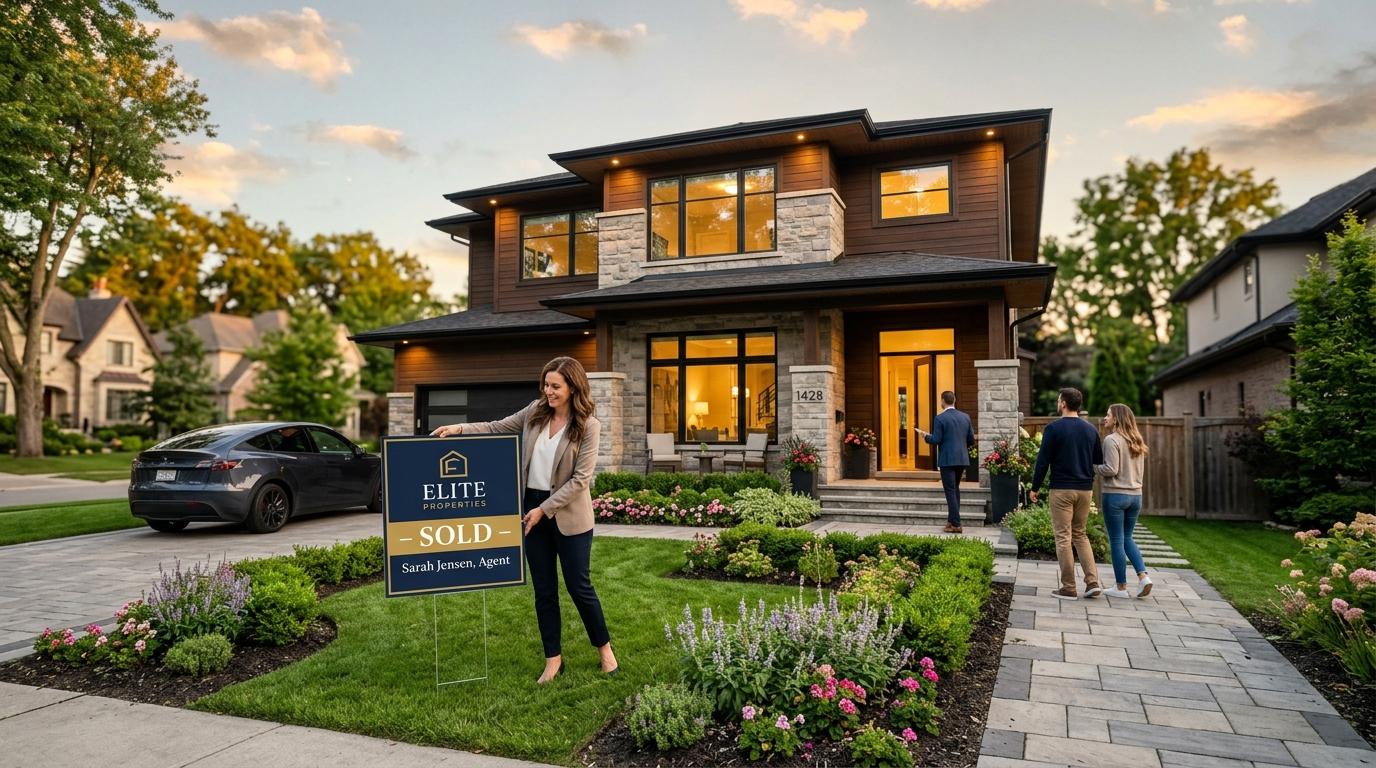
You do not need a perfect home to sell fast. You need a smart plan. Most homes that sit on the market too long are not there because of the neighborhood or the floor plan. They are there because of avoidable mistakes that push buyers away before they even schedule a showing.
This guide walks you through exactly what to do, and what to skip, so you can sell with speed and confidence.
Start With the Right Mindset
Before you list, accept that selling quickly means making smart decisions, not emotional ones. Many homeowners hold on too long waiting for a higher offer, only to watch their listing go stale. The longer a home sits on the market, the more buyers begin to wonder what is wrong with it.
“Think of your home as a product. Your job is to make that product as attractive as possible to the widest pool of qualified buyers,” say the EmpowerHome Team, a group of Raleigh Realtors.
That shift in thinking will guide every decision you make from pricing to staging to negotiation.
Price It Right From Day One
Pricing is the single most powerful tool you have. An overpriced home will sit. An underpriced home may spark a bidding war that drives the final sale price even higher than you expected.
Work with a licensed real estate agent to run a comparative market analysis. This looks at recent sales of similar homes in your area and helps you land on a number that is competitive without leaving money on the table. Buyers today are informed. They have done their research, and they will skip right past a listing that feels inflated.
A well priced home generates interest fast, often within the first week. That first week is your most powerful window, so use it wisely.
Clean, Declutter, and Depersonalize
First impressions drive decisions. Buyers form an opinion about your home within seconds of walking through the door, and that opinion is hard to change.
Start by deep cleaning every room, including the spaces most sellers overlook like baseboards, light fixtures, and grout lines. Then remove personal photos, bold artwork, and any furniture that makes rooms feel smaller. The goal is to help buyers picture themselves living there, not feel like guests in someone else's house.
Renting a storage unit during the selling process is worth every penny. A clean, open, neutral space almost always sells faster than a lived in one.
Make Strategic Upgrades (Not Expensive Renovations)
You do not need to gut your kitchen to sell fast. What you do need is to fix anything that signals neglect. A leaky faucet, a cracked tile, or a door that does not close properly may seem minor, but to buyers, small issues suggest bigger ones hiding behind the walls.
Focus on high impact, low cost upgrades:
- Repaint walls in neutral tones like warm white, greige, or light gray
- Replace outdated cabinet hardware in the kitchen and bathrooms
- Swap old light fixtures for modern, budget friendly options
- Add fresh mulch and trim hedges to sharpen curb appeal
- Replace worn door handles and house numbers for a clean entry
These small updates signal that the home has been well cared for, which builds buyer confidence and speeds up the decision process.
Invest in Professional Photography
Most buyers start their search online. That means your listing photos are your first showing, and they need to be exceptional. Dark, blurry, or poorly framed photos will cause buyers to scroll right past your home without a second thought.
Hire a professional real estate photographer. The cost is usually between $150 and $400, and the return is significant. Great photos generate more clicks, more showings, and more competitive offers. Some agents also offer video walkthroughs or 3D tours, which have become increasingly popular among out of town buyers.
Your listing should make someone feel like they need to see this home in person. That is the power of strong visual marketing.
Work With an Experienced Local Agent
This is not the moment to cut corners. A skilled real estate agent brings market knowledge, a buyer network, and negotiation experience that is hard to replace. They know which days to list for maximum visibility, how to handle multiple offers, and what red flags to watch for during the inspection process.
Ask for an agent who specializes in your neighborhood or property type. Someone who regularly sells in your area will know exactly what local buyers are looking for and how to position your home to meet those expectations.
A great agent is not a cost. They are an investment that often pays for itself several times over.
Be Flexible and Ready to Move
Speed favors the prepared seller. If you are serious about selling fast, be ready to accommodate showings on short notice, even on weekends or weekday evenings. Restrictive showing windows frustrate buyers and agents alike, which can cause them to move on to the next available home.
Also be prepared for the steps that follow an accepted offer. Have your documents organized, your moving timeline mapped out, and your next living situation at least loosely in place. Delays on the seller's side can kill a deal even after both parties have agreed on a price.
The smoother you make the process, the more confident buyers feel, and confident buyers close fast.
Understand What Today's Buyers Want
Buyer priorities have shifted. Remote workers want dedicated office space. Young families prioritize storage and outdoor areas. First time buyers are often stretched financially and respond well to move in ready homes that require no immediate repairs.
If your home has features that align with current demand, highlight them clearly in your listing description. A bonus room, an updated bathroom, a large backyard, or proximity to good schools are all selling points worth emphasizing. Speak directly to the lifestyle your home supports.
Final Thoughts
Selling your home quickly in a competitive market is absolutely possible when you approach it with a clear plan. Price it fairly, present it well, market it strategically, and work with professionals who know what they are doing.
Sellers who try to rush the process without preparation often end up waiting longer and settling for less. But those who invest time upfront in the right steps consistently get faster results and better offers. Start smart, stay flexible, and your home will not stay on the market for long.
