

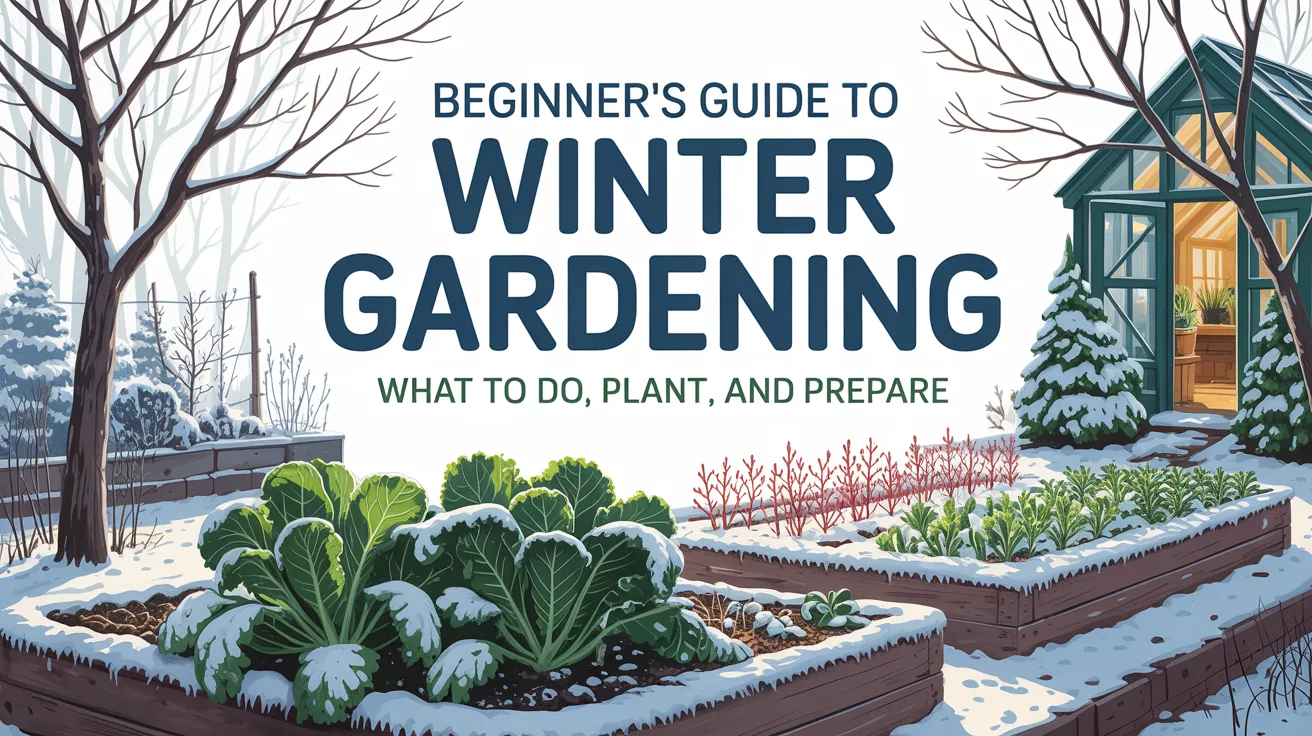
Winter gardening might sound intimidating at first, but it’s actually one of the best times to strengthen your garden, protect your soil, and set yourself up for a healthier, more productive spring. With the right plants, tools, and preparation, beginners can enjoy a thriving winter garden without feeling overwhelmed. Here’s a simple guide to help you get started.
1.Start With Smart Winter Prep
Before planting anything, winter is the moment to reset your garden. It is very important to review last season and assess what worked, and organize your seeds and tools for the months ahead. Many gardeners also use this time to prune roses, plan their spring layouts, and stock up on essentials like mulch and compost.
Several other sources agree that winter preparation is mostly about cleanup and strengthening soil health. Removing spent plants, pulling weeds, clearing rocks or hardened soil, and testing soil nutrients before the ground freezes. Dripworks also emphasizes clearing debris to prevent pests, cleaning tools, repairing structures, and laying mulch to protect moisture and soil microbes through winter.
All of this early preparation ensures your garden beds stay healthy and ready for new growth once temperatures rise, much like homeowners take time to organize before deciding whether to buy before you sell during a move.
2.Choose Hardy Winter Crops
Winter gardening success depends on choosing plants that can withstand cold, fluctuating temperatures, and limited sunlight. The best winter crops are those that tolerate frost and grow slowly without much supervision. Great options include:
- Parsnip
- Leeks
- Savoy cabbage
- Jerusalem artichoke
- Winter carrots
- Mache (winter lettuce)
- Radishes
- Spinach
- Tatsoi, mizuna, and pak choi
Many of these vegetables can even be left in the ground and harvested as needed. Root crops, in particular, remain crisp and flavorful when insulated with straw or leaves.
Winter sowing also works well, as planting seeds in trays, containers, or cold frames allows them to sprout earlier in the spring. Lettuce, kale, dill, parsley, pak choi, and arugula are especially strong performers for this method.
3.Protect Your Plants From the Cold
Cold-weather tools make winter gardening much easier. Layering protection to stabilize temperatures and reduce frost damage. Some simple but effective tools include:
- Row covers or frost cloth to buffer against wind and freezing nights.
- Cold frames or mini greenhouses to create a few extra degrees of warmth
- Mulch (leaves, hay, or straw) to insulate soil and retain moisture
- Polytunnels for extending the fall growing season
- Raised beds, which warm faster and drain well
Be sure to monitor sudden temperature changes. Rapid freeze-thaw cycles can cause rot. Ventilate covers during the day when needed to prevent condensation from freezing inside.
4.Improve Soil and Maintain Garden Beds
Healthy soil is the backbone of a successful winter garden. Multiple sources emphasize the importance of feeding the soil now, making spring planting easier and more productive.
- Adding compost in winter to build nutrient-rich soil.
- Use manure, adjusting pH levels, and covering beds with mulch or cover crops to reduce soil erosion.
- Inventorying seeds, planning layouts, and researching new crops helps you decide how much compost or soil amendment you’ll need when spring arrives.
Winter also offers a chance to create new beds using cardboard, compost, or mulch, an easy no-dig method for beginners.
5.Plan-Ahead for Spring Growth
Winter is the perfect season to think ahead. You can start seeds indoors, visit greenhouses for inspiration, or simply map out next year’s goals. Review your garden journal, sketch layouts, and consider crop rotation and spacing.
And if your gardening plans coincide with moving to a new home, this is also a good time to learn how to find a realtor who understands your goals. Strong agents possess modern market knowledge, clear communication, and fast response times, much like successful gardeners who plan early, stay organized, and prepare for what’s next.
With thoughtful winter work, hardy crops, and the right protections, you can keep growing through the coldest months and step into spring with confidence. Winter may look quiet on the surface, but beneath the soil, your next garden season is already taking shape.
