

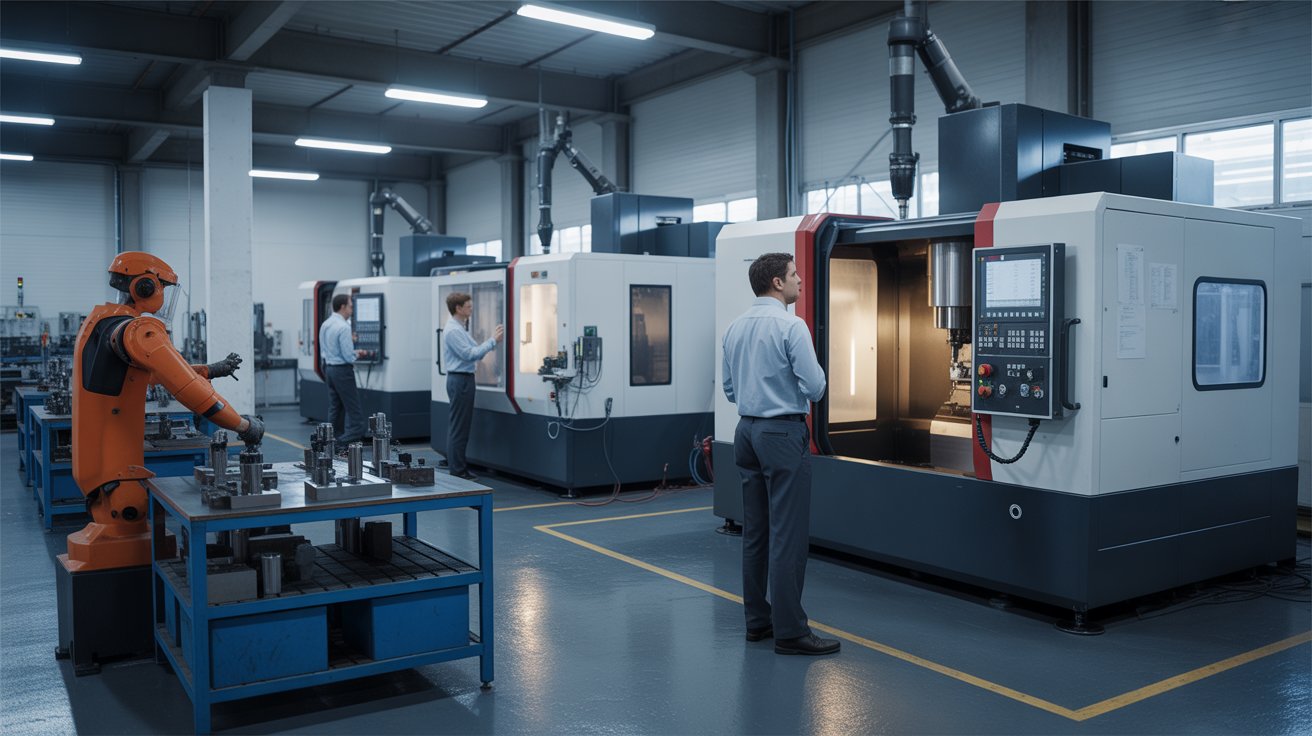
In industrial maintenance, equipment repair, and fabrication workflows, space and budget constraints often demand versatile solutions. Multi-function machine tools that combine drilling, tapping, and milling operations address this need by providing comprehensive machining capabilities in a single unit. For warehouse managers, equipment operators, and logistics professionals overseeing on-site maintenance, understanding these machines is crucial for efficient operations. This article explores the role and technical aspects of combined drilling, tapping, and milling machines, with a focus on practical applications, safety, and performance considerations.
Introduction and Industrial Importance
Multi-function machine tools represent an evolution in workshop equipment, designed to perform multiple machining tasks without requiring separate machines. In industrial and logistics settings, they are essential for maintaining machinery, fabricating parts, and performing repairs in-house. This capability reduces downtime associated with outsourcing and increases operational self-sufficiency. A typical example in this category is the 15″ × 12″ Drilling Tapping Milling Machine. By integrating drilling, tapping, and milling functions, such equipment supports maintenance teams in warehouses, distribution centers, and industrial facilities, ensuring that equipment failures can be addressed promptly and cost-effectively.
Technology and Applications Overview
Combined drilling, tapping, and milling machines utilize a robust column structure, a multi-speed motor, and a swivel head that allows the spindle to pivot for angled operations. Key technological features include variable speed control, gear-driven power transmission, and a work table with precision slides. Common industrial applications include:
- Repairing forklift components and conveyor parts in warehouses.
- Fabricating custom brackets, guards, or fixtures for material handling equipment.
- Maintaining hydraulic systems and pneumatic machinery found in logistics hubs.
- Creating or modifying parts for packaging machines and other in-line systems.
These applications highlight the machine’s role in supporting continuous operation and reducing reliance on external machine shops.
Efficiency, Safety, and Productivity Considerations
Efficiency in industrial maintenance is achieved by minimizing machine changeover time and simplifying workflows. A multi-function machine eliminates the need to move workpieces between different stations, reducing handling time and potential errors. Safety is enhanced when operators are trained on one integrated system rather than multiple separate machines, though the complexity requires thorough understanding. Productivity improvements stem from faster turnaround on repairs and the ability to perform complex machining in a single setup. For procurement professionals, investing in such a machine can lead to long-term cost savings through reduced outsourcing and extended equipment life via timely maintenance.
Technical Foundations and Capability Assessments
Machine Specifications and Capacity
The performance of a combined machine depends on its core specifications. Critical parameters include:
- Drilling capacity: Maximum diameter in steel, often linked to motor power.
- Milling capacity: Table size and travel distances dictating workpiece dimensions.
- Motor power: Typically measured in horsepower, affecting material removal rates.
- Spindle taper: Influencing tool holding rigidity and precision.
A machine like the 15″ × 12″ Drilling Tapping Milling Machine is designed for heavy-duty tasks, featuring a 2 horsepower motor, a 360-degree swivel head for flexible operation, and a 15 by 12-inch work table. Such specifications determine its suitability for machining cast iron, mild steel, and non-ferrous metals commonly encountered in industrial parts.
Precision and Control Features
Advanced models include digital readouts for position, depth stops for consistent drilling, and fine feed controls for milling. The quality of slides and gibs directly affects machining accuracy and surface finish, which are vital for part interchangeability.
Factors Affecting Performance and Effectiveness
Several variables influence the output and safety of these machines:
- Operator skill: Proficiency in setting up work, selecting speeds/feeds, and using clamping.
- Tooling quality: Using appropriate drills, taps, and end mills for the material.
- Machine maintenance: Regular lubrication, alignment checks, and component inspection.
- Workpiece securing: Proper use of vises, clamps, and fixtures to prevent movement.
Neglecting these factors can lead to poor part quality, tool breakage, or machine wear, undermining the benefits of a multi-function machine.
Safety Considerations and Operational Best Practices
Operating a combined drilling, tapping, and milling machine involves multiple hazards, including rotating tools, metal chips, and potential workpiece ejection. Essential safety practices include:
- Wearing appropriate personal protective equipment: Safety glasses, hearing protection, and no loose clothing.
- Conducting pre-operation inspections: Checking guards, emergency stops, and spindle condition.
- Following correct machining sequences: Such as drilling before tapping to ensure proper alignment.
- Using machine locks: Engaging locks on the swivel head and table when not adjusting.
Training must cover both general machine safety and function-specific risks, such as tap breakage during tapping operations. Adherence to local occupational safety regulations is mandatory.
Equipment, Tools, and Accessory Requirements
To maximize the utility of a multi-function machine, a range of supporting tools is needed:
- Tooling: Drill chucks, collets, end mill holders, and a selection of high-speed steel or carbide tools.
- Workholding: Machine vises, rotary tables, angle plates, and clamping kits.
- Measuring instruments: Calipers, micrometers, and dial indicators for setup and verification.
- Coolant systems: For heat dissipation and chip removal during prolonged milling.
Selecting compatible, high-quality accessories ensures precision and extends the machine’s capability for complex tasks.
Advantages and Limitations
Multi-function machines offer distinct benefits but also have constraints:
- Advantages:
- Space savings compared to owning three separate machines.
- Cost efficiency for small to medium batch work.
- Operational flexibility for diverse machining tasks.
- Reduced setup time for combined operations.
- May not match the dedicated power or precision of individual, specialized machines.
- Function changeover can require time for reconfiguration.
- Potential for higher wear if used continuously for one function.
These factors must be weighed against specific operational needs.
Real-World Applications and Case Examples
In a Canadian logistics center, a maintenance team integrated a 15″ × 12″ multi-function machine into their workshop. They used it to repair pallet jack castings and fabricate custom guides for conveyor realignment, reducing wait times for external machining from days to hours. In another case, an equipment rental company used a similar machine to maintain and modify attachment points on their fleet of forklifts, ensuring faster turnaround between rentals. These examples demonstrate how access to versatile machining supports operational continuity and cost control.
Conclusion and Industry Outlook
Combined drilling, tapping, and milling machines are valuable assets for industrial and logistics operations requiring in-house fabrication and repair capabilities. Key takeaways emphasize the importance of matching machine specifications to intended tasks, adhering to strict safety protocols, and investing in operator training. Looking ahead, trends point toward integration of digital features like programmable logic controls and connectivity for predictive maintenance. The demand for versatile, space-efficient machine tools is likely to grow as industries seek to bolster resilience and reduce supply chain dependencies. By understanding and effectively implementing these machines, professionals can enhance their maintenance readiness and operational efficiency.
