

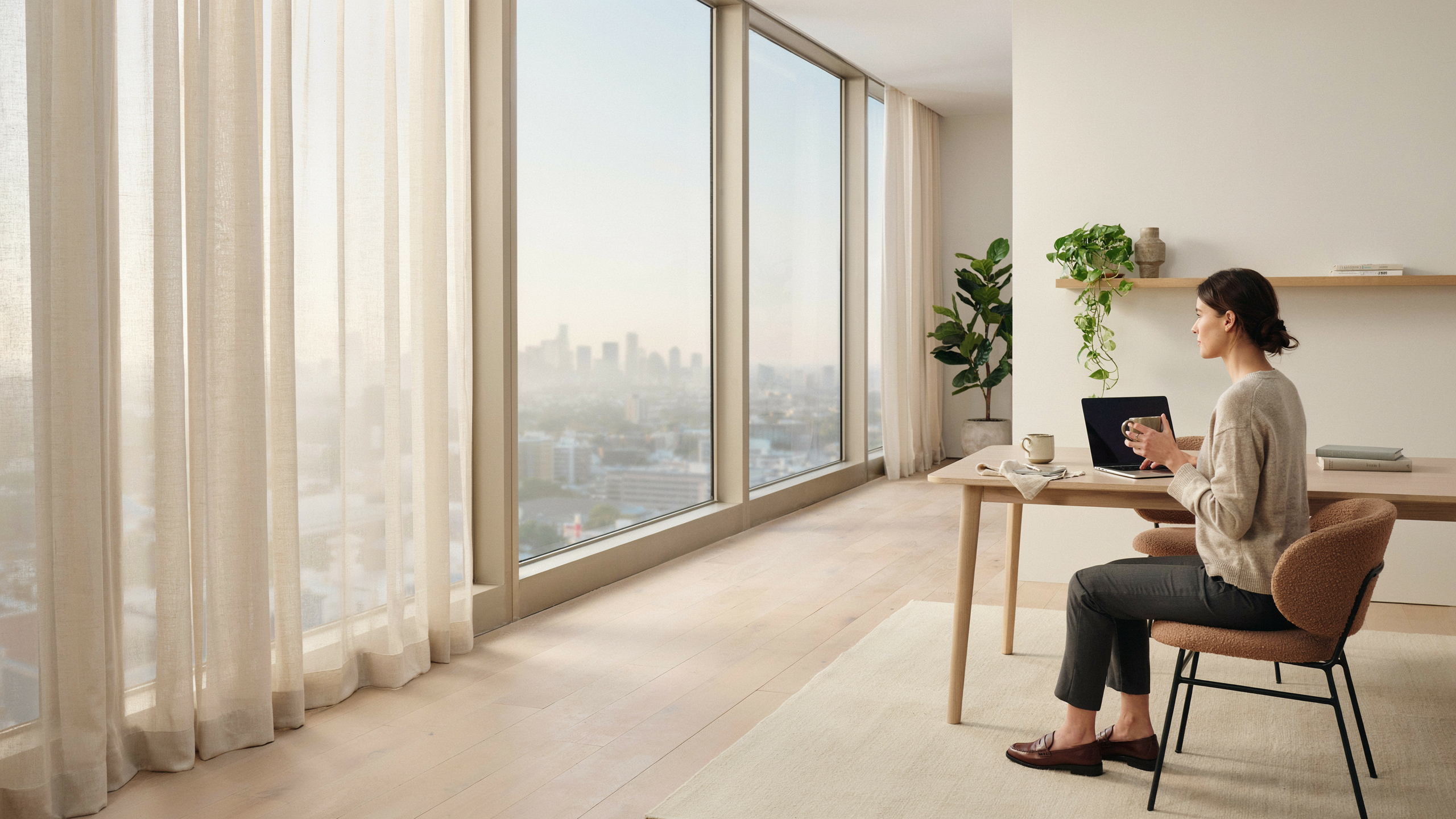
Creating a workspace that encourages productivity and clarity starts with minimalist design. By eliminating unnecessary clutter and prioritizing functional aesthetics, modern offices can promote concentration and improve workflow.
Minimalism in office spaces goes beyond appearance; it shapes how employees interact with their environment and perform daily tasks. Incorporating tools like chair mats provides mobility without sacrificing floor protection. These mats allow chairs to glide effortlessly across surfaces, supporting a fluid working rhythm. Meanwhile, practical additions such as casters can transform office furniture into flexible assets, letting team members reconfigure layouts quickly to suit changing needs.
A cozy touch like a fireplace screen might seem decorative, but it can define a space while maintaining clean lines. At the same time, modern office desk pads protect surfaces and provide an organized area for daily work, reinforcing the minimalist ethos by reducing visual clutter.
Why Minimalist Design Matters in the Modern Office
The modern office is no longer simply a place to work; it is a hub for collaboration, creativity, and focus. Minimalist design emphasizes simplicity, functionality, and intentionality.
Each element in this type of workspace has a purpose, creating a sense of order that directly impacts employee well-being and efficiency. Afterall, cluttered environments can increase stress levels and reduce cognitive performance. By contrast, thoughtfully designed spaces promote calm, focus, and fluidity.
Natural light, neutral color palettes, and open layouts are basic to minimalist environments. These features reduce distractions and help employees maintain mental clarity throughout the day. Removing excessive decoration and organizing necessities strategically allow individuals to focus on tasks without unnecessary visual noise.
Functional Furniture and Tools for Flow
Minimalism does not mean sacrificing functionality. On the contrary, it encourages using high-quality, versatile items that boost workflow. Ergonomic chairs, equipped with smooth casters, allow for movement while maintaining comfort.
Office chairs with proper support prevent fatigue, allowing users to stay attentive during extended work sessions. Chair mats complement this setup by safeguarding flooring and providing smooth movement.
Desks and workstations also benefit from minimalist thinking. Modern office desk pads help delineate personal space, organize materials, and provide a clean, distraction-free area.
These pads create a tactile surface for writing, typing, or sketching, reinforcing focus without cluttering the environment.
Even decorative items can serve functional purposes. For instance, a sleek fireplace screen can act as both a focal point and a spatial divider, subtly guiding movement and maintaining openness in a room. Using these items carefully avoids visual chaos while adding warmth and character.
Simplifying the Office Layout
A minimalist office layout prioritizes movement, accessibility, and interaction. Open floor plans encourage collaboration without compromising personal space. Pathways should be clear, and furniture placement should support natural traffic flow.
Tools like mobile pedestals on casters allow employees to rearrange their workstations quickly, adapting to team needs without clutter.
Storage solutions also play a big part. These kinds of offices often use concealed cabinets, modular shelving, or multifunctional furniture to maintain a clean aesthetic.
This reduces distractions while keeping essentials within reach. Employees can focus more on meaningful tasks rather than searching for supplies.
Lighting, Color, and Ambience
Proper lighting and color selection are basic in minimalist design. Natural light heightens mood and concentration while reducing the need for artificial illumination. When natural light is limited, task lighting and adjustable LED fixtures provide focused brightness without creating glare or harsh shadows.
Neutral colors dominate minimalist spaces, offering a backdrop that emphasizes function and reduces visual stress. Soft whites, muted grays, and earthy tones create a calming environment. Accent pieces, such as a contemporary fireplace screen or a subtly textured desk pad, can inject personality without undermining simplicity.
Technology Integration Without Clutter
In a modern office, technology is both a necessity and a potential source of chaos. A minimalist approach integrates tech smoothly, so devices enhance rather than hinder focus. Wireless systems reduce cable clutter, while docking stations consolidate peripherals.
Chair mats and mobile furniture with casters allow technology to be repositioned easily, accommodating changing setups or collaborative sessions.
Cable management solutions, like under-desk trays and concealed channels, maintain clean lines, making sure that digital tools do not disrupt the visual harmony of the workspace.
The Psychological Benefits of Minimalism
Minimalist offices positively impact mental health and cognitive function. Open, organized spaces reduce stress by providing a sense of control and clarity. Employees can prioritize tasks without feeling stressed by clutter, improving both productivity and satisfaction.
The physical environment communicates values and expectations. A clean, orderly office signals professionalism, attention to detail, and respect for the workspace. When employees experience a well-considered environment, they are more likely to adopt productive habits themselves.
Sustainability and Minimalist Design
Minimalism is naturally in keeping with sustainable practices. Selecting durable furniture, multifunctional tools, and long-lasting materials reduces waste and promotes environmental responsibility.
Items like modern office desk pads and ergonomic chairs built with longevity in mind minimize the need for frequent replacement, supporting both sustainability and efficiency.
By choosing items that serve multiple purposes (such as mobile cabinets on casters or decorative yet functional fireplace screens) offices can reduce excess purchases while maintaining a polished, minimalist aesthetic.
Creating a Personalized Minimalist Workspace
Even within a minimalist framework, personalization remains important. Employees can select a few meaningful accessories or functional items to improve comfort and define identity. A thoughtfully chosen chair mat or desk pad can reflect personal taste while supporting productivity.
Balancing uniformity with individuality ensures the office remains visually cohesive but also responsive to personal needs. This approach encourages engagement and motivation, allowing workers to feel connected to their environment without overpowering it.
Practical Steps for Implementing Minimalism
Transitioning to a minimalist office requires intentional planning. Begin by evaluating existing furniture and tools. Identify what is necessary and what contributes to visual clutter.
Replace bulky or outdated items with sleek, multifunctional alternatives, incorporating pieces like modern office desk pads and ergonomic chairs with casters.
Storage solutions should be optimized to hide unnecessary items while keeping frequently used materials accessible. Decorative accents, such as a fireplace screen, should be chosen for both form and function.
Limiting color palettes and simplifying textures further reinforce a minimalist atmosphere.
Employee involvement in the redesign process can boost adoption and satisfaction. Soliciting feedback on workspace preferences helps make certain functional needs are met while maintaining a clean, efficient aesthetic.
The Long-Term Impact of Minimalist Design
Offices that embrace minimalist principles often see long-term gains in productivity, focus, and morale. Clean spaces encourage intentional movement, clear thinking, and streamlined processes.
Employees report feeling less stressed, more energized, and better able to concentrate on tasks that require deep focus.
Minimalism also adapts well to changing workplace trends. Mobile furniture, flexible layouts, and versatile storage solutions allow offices to respond quickly to growth, team restructuring, or shifts in work style without creating disorder.
Tools like chair mats, modern office desk pads, and casters make this adaptability practical and seamless.
Embracing Minimalism for a Productive Office
Redefining the modern office through minimalist design goes beyond aesthetics; it transforms how people work and interact with their environment. Prioritizing simplicity, functionality, and intentionality fosters focus, flow, and well-being.
Carefully selected tools, such as chair mats, casters, fireplace screens, and modern office desk pads, increase both efficiency and comfort without compromising visual clarity.
By committing to minimalism, organizations create spaces that are flexible, adaptable, and supportive of productivity. Employees can do their work with ease, fully engage in tasks, and experience a sense of control over their environment.
The result is a modern office that not only looks organized but functions as a hub for creativity, collaboration, and sustained focus.
