

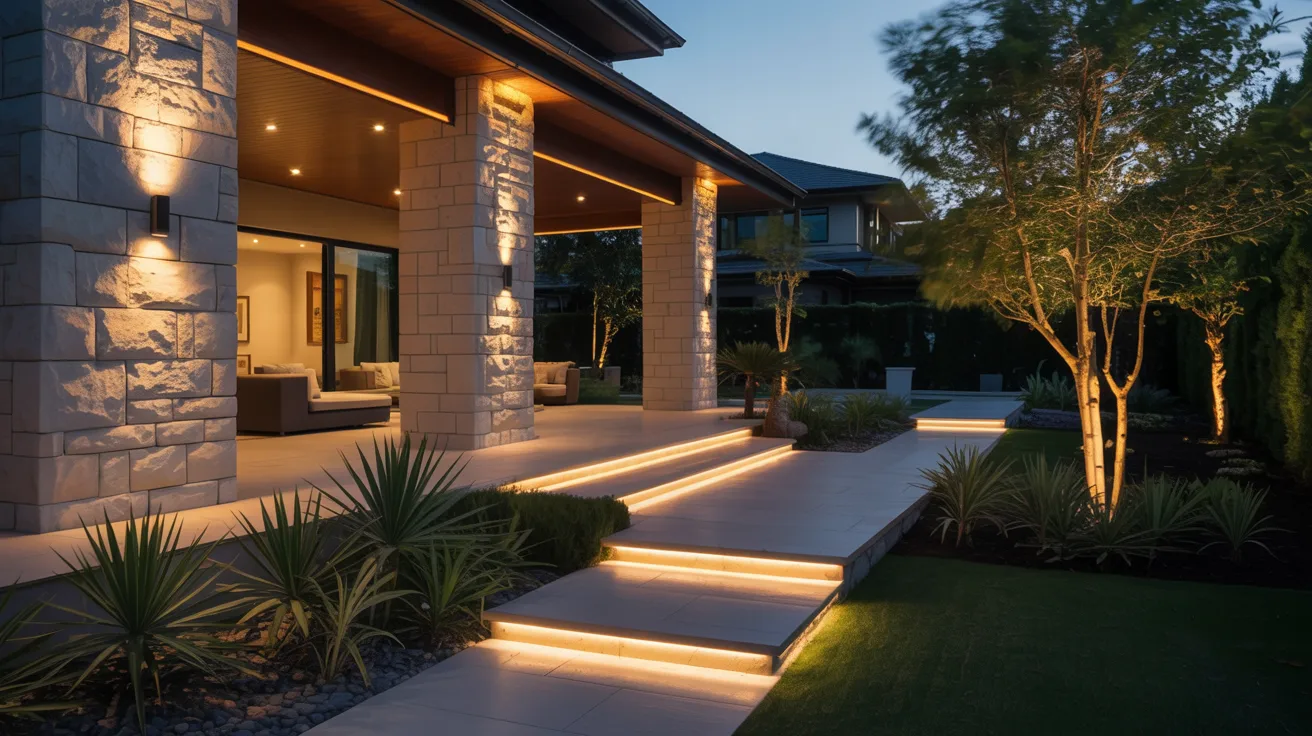
There is something undeniably comforting about a well-lit home at night. A soft glow along the walkway, gentle illumination highlighting trees, or a warmly lit patio can completely change how a space feels. Outdoor lighting is more than a decorative feature—it plays a meaningful role in safety, functionality, and overall ambiance. When carefully planned, it enhances the beauty of a property while serving practical purposes that extend far beyond aesthetics.
Many homeowners focus heavily on interior design, yet the exterior of a home deserves equal attention. Outdoor lighting bridges the gap between form and function, creating a seamless transition from day to night.
The Functional Value of Outdoor Lighting
At its most basic level, outdoor lighting improves visibility. Pathways, driveways, entryways, and stairs become safer when illuminated properly. Without sufficient lighting, these areas can pose hazards, particularly in the evening or during seasons with limited daylight.
Well-placed lighting reduces the risk of trips and falls. Motion-activated lights can provide instant brightness when someone approaches a doorway or garage. This simple addition can significantly enhance both convenience and peace of mind.
Outdoor lighting also makes exterior spaces usable after sunset. Patios, decks, and gardens often serve as extensions of the home. With adequate illumination, families can enjoy dinners outside, host gatherings, or relax in the fresh air long after the sun goes down.
Enhancing Security Through Visibility
A dark property can unintentionally invite unwanted activity. Outdoor lighting serves as a deterrent by eliminating shadows and blind spots around the home. Illuminating entrances, windows, and side yards makes it more difficult for intruders to approach unnoticed.
Security-focused outdoor lighting does not need to be harsh or overwhelming. Subtle, strategically placed fixtures can provide effective coverage without disrupting the home’s overall aesthetic. Motion sensors add an additional layer of protection by activating light only when movement is detected.
In many cases, increased visibility alone can provide homeowners with greater confidence and reassurance.
Creating Atmosphere and Ambiance
Beyond practicality, outdoor lighting has a powerful influence on mood. Just as interior lighting can transform a room’s atmosphere, exterior lighting shapes how outdoor spaces feel.
Soft, warm tones create a welcoming and intimate environment. This is particularly important for gathering areas such as patios or seating areas. Gentle illumination encourages conversation and relaxation.
Layered lighting designs—combining ambient, task, and accent lighting—add depth and character. For example, pathway lights guide movement, while uplighting emphasizes architectural features or landscaping. Together, these elements create a visually dynamic environment that feels intentional and inviting.
Showcasing Architectural Features
Homes often include design details that deserve attention. Stone facades, textured siding, columns, or decorative trim can all be highlighted through thoughtful outdoor lighting.
By directing light toward these features, homeowners can enhance curb appeal and make architectural elements stand out after dark. This technique not only adds dimension but also elevates the overall appearance of the property.
Subtle accent lighting can create dramatic shadows that emphasize depth and texture. The result is a home that looks as striking at night as it does during the day.
Highlighting Landscaping and Outdoor Design
Landscaping is an investment of time, effort, and creativity. Without proper lighting, much of that beauty disappears once daylight fades.
Outdoor lighting brings gardens, trees, and water features to life after sunset. Uplighting tall trees creates dramatic silhouettes, while low-level lights along flower beds add soft, continuous glow.
Lighting can also guide attention to focal points within the yard, such as sculptures or seating areas. When landscaping and lighting work together, the entire outdoor space feels cohesive and thoughtfully designed.
Energy Efficiency and Sustainability
Modern advancements in lighting technology have made outdoor lighting more energy-efficient than ever. LED options consume less power and have longer lifespans compared to traditional bulbs. This reduces both energy consumption and maintenance costs.
Solar-powered lighting is another environmentally friendly option. These fixtures absorb sunlight during the day and illuminate automatically at night, eliminating the need for complex wiring.
By choosing energy-efficient outdoor lighting solutions, homeowners can reduce their environmental footprint while still achieving effective illumination.
Extending Living Space
In many homes, outdoor areas function as additional living spaces. A well-lit patio can serve as an outdoor dining room. A softly illuminated garden can become a peaceful retreat.
Outdoor lighting extends the usable square footage of a property without physical expansion. This is especially valuable in regions where pleasant weather encourages outdoor activities.
When exterior areas are comfortable and well-lit, families naturally spend more time outside, enjoying fresh air and connection.
Increasing Property Value
Curb appeal plays a significant role in property perception. Homes with well-designed outdoor lighting often appear more inviting and carefully maintained.
Prospective buyers tend to appreciate exterior lighting that enhances safety and visual appeal. While it may not be the sole factor in determining property value, it contributes positively to overall impressions.
Thoughtful lighting signals attention to detail and can make a lasting impact during evening viewings.
Practical Considerations for Installation
Effective outdoor lighting requires planning. Overly bright lights can create glare, while insufficient lighting leaves areas in shadow. Placement, brightness levels, and color temperature should all be considered carefully.
Durability is another important factor. Fixtures must withstand weather conditions such as rain, wind, and temperature fluctuations. Selecting weather-resistant materials ensures longevity and consistent performance.
Routine maintenance—cleaning lenses, replacing bulbs, and checking wiring—keeps systems operating smoothly.
Conclusion
Outdoor lighting is a powerful tool that combines beauty, safety, and functionality. From guiding footsteps along a pathway to highlighting architectural details, it transforms the way a home looks and feels after dark.
By thoughtfully designing and maintaining outdoor lighting systems, homeowners can enhance security, create inviting atmospheres, and extend their living spaces. In doing so, they not only illuminate their surroundings but also enrich the everyday experience of home life.
