

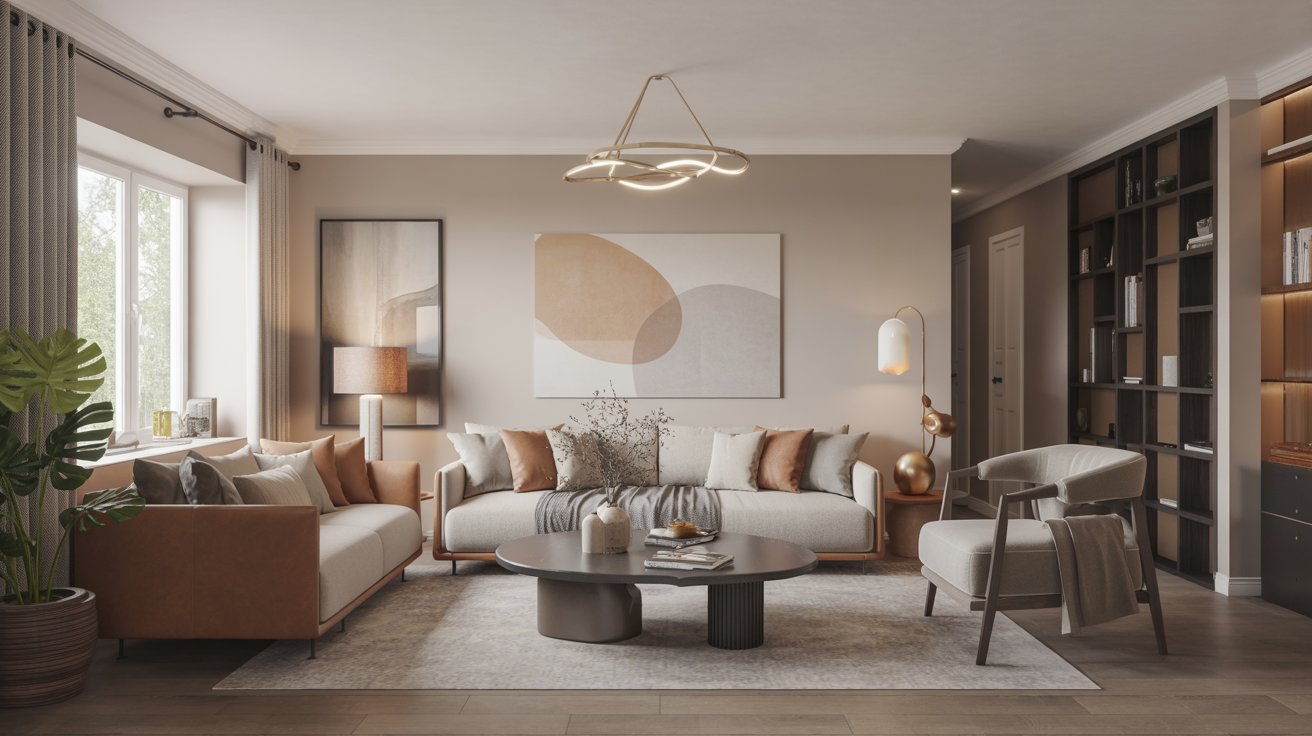
You know that feeling when you walk into a room and everything just clicks? The space feels right. You want to stay there.
That’s what good interior design does. It’s not just about making things look pretty. It goes deeper than that.
The best spaces mix comfort with function. They stir up emotions while showing off your personal style.
So what really matters most in interior design? That’s what we’re here to figure out today.
I’ll walk you through practical tips, core principles, and the mistakes you’ll want to skip.
Let’s get started.
What Is Mintpalment In Interior Design?
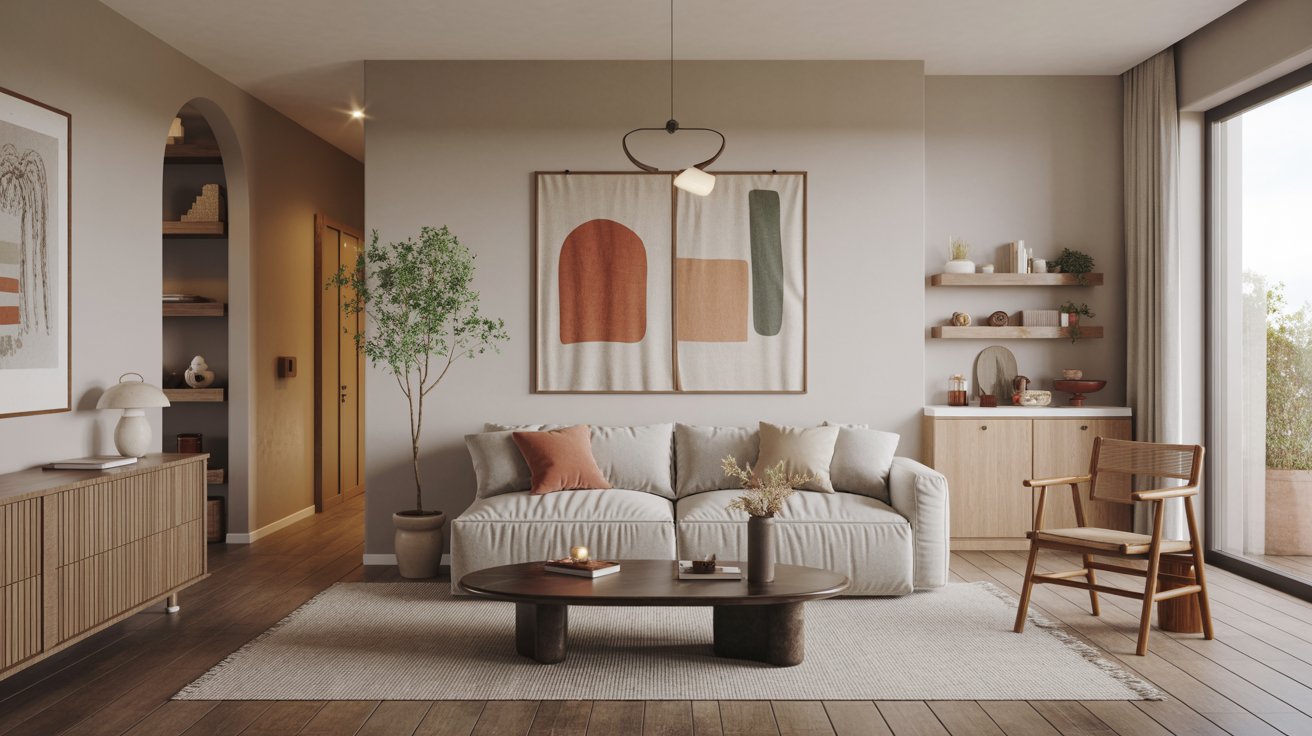
Mintpalment represents a fresh take on interior design that puts you at the center of every choice.
It’s about creating spaces that match how you actually live, not just how a magazine says you should.
This approach values creativity and fresh ideas over rigid rules. Your home becomes a reflection of your lifestyle and personality.
The core idea? Balance matters. Beautiful rooms need to work hard too. That means smart layouts, materials pulled from nature, and lighting that adapts to your needs.
Every design choice comes back to one question: How will real people use this space daily?
Core Purpose of Interior Design Mintpalment
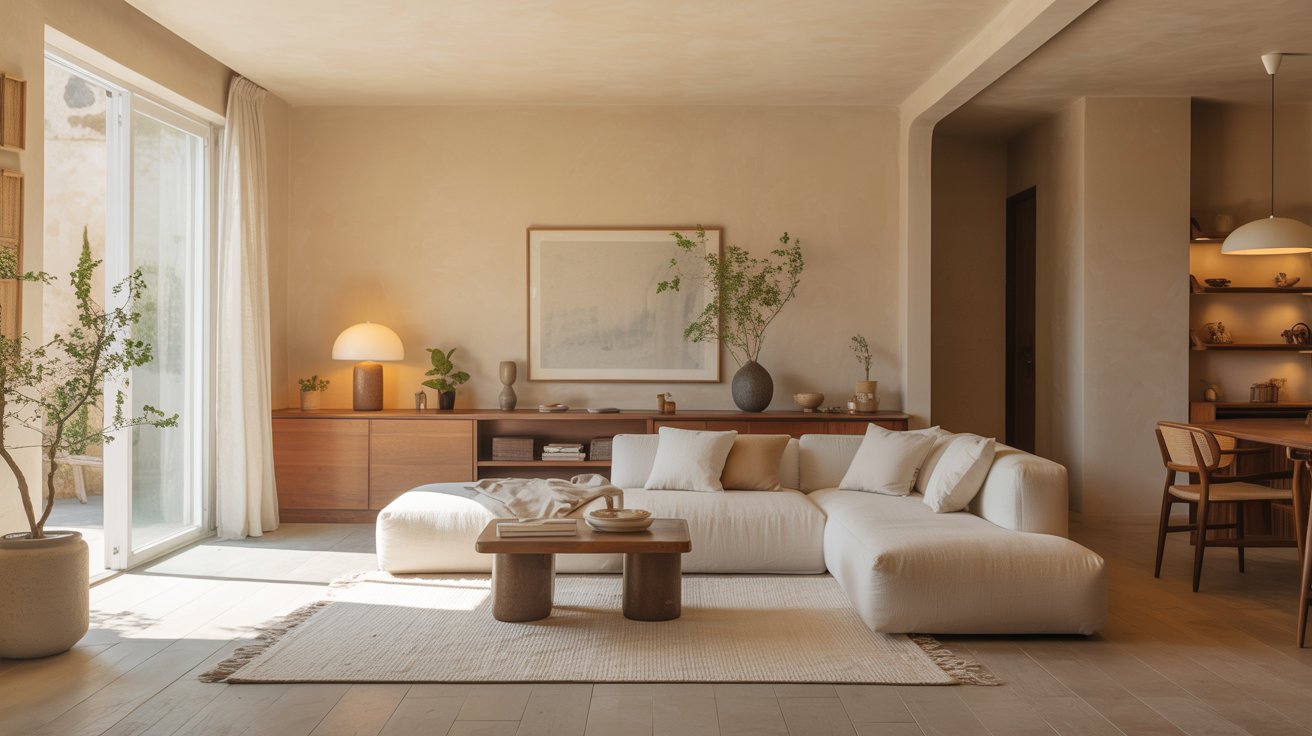
Mintpalment focuses on making spaces work better for how you actually live.
Comfort and Daily Life
Good interior design makes your daily life better. Your space should support everything you do, from morning routines to late-night relaxation.
It helps you stay productive when you need focus and unwind when you’re tired.
Thoughtful Minimalism
Mintpalment leans into warm minimalism. That means keeping things simple without making rooms feel cold or empty.
Less clutter, more comfort.
Problem-Solving Design
The best designers are problem solvers. Got an awkward corner or a narrow hallway? These challenges become opportunities.
The goal is turning every odd space into something functional and inviting.
Key Principles: What Truly Matters
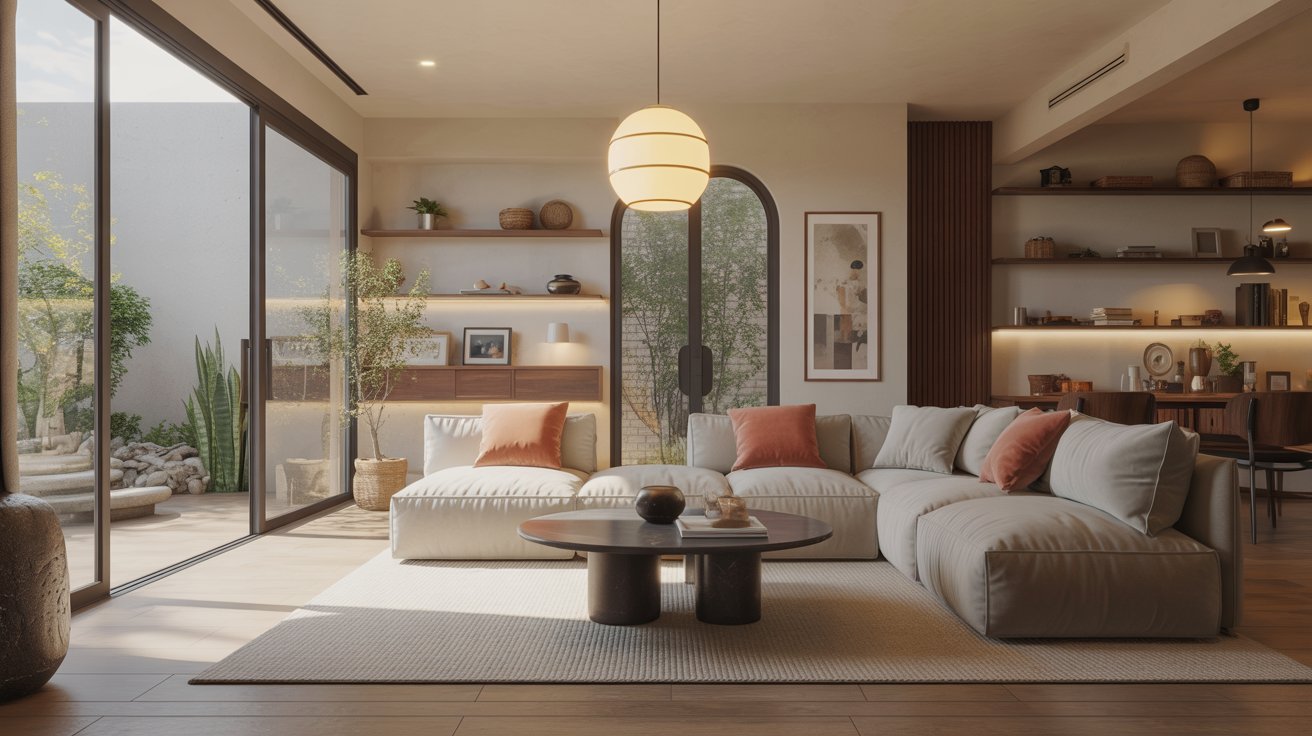
These core principles shape spaces that look good and work even better.
1. Space Planning and Layout
How you arrange a room affects everything. Good layouts create natural flow from one area to another.
They set up spots where people want to gather and talk. Even small spaces can feel open and breathable with the right planning and furniture placement.
2. Comfort and Ergonomics
Your furniture should fit your body and how you live. Kitchen surfaces at the right height save your back.
Chairs that support you properly make long dinners more enjoyable. Beds need good mattresses. Comfort isn’t a luxury add-on, it’s a basic requirement for daily living.
3. Layered Lighting
Great lighting has three layers working together. Ambient light fills the entire room with general brightness. Task lighting helps you cook, read, or work at your desk.
Accent lights highlight artwork or architectural features. This combination shifts the mood from energizing mornings to cozy, relaxing evenings.
4. Material and Furniture Choice
Natural materials like wood, stone, cotton, and linen bring warmth and lasting quality to any room. They age gracefully and feel authentic to touch.
Your furniture needs to satisfy three requirements: fitting your space properly, supporting your daily activities, and providing real comfort. Visual style matters least.
5. Safety Considerations
Safe design prevents household accidents before they happen. Non-slip bathroom floors reduce fall risks. Rounded edges on coffee tables protect children from injuries.
Secure furniture anchoring stops bookcases from tipping over. Proper electrical outlet placement keeps cords from becoming tripping hazards. Safety builds into every design decision.
6. Aesthetic Harmony
Colors, textures, and shapes should connect through subtle visual relationships. A blue pillow might echo the kitchen backsplash. Wood tones can repeat across rooms.
These quiet connections create calm spaces that feel naturally ordered and cohesive. The effect feels right even when you can’t explain why.
7. Personalization and Emotional Connection
Your home should tell your story through meaningful choices. Display family photos and travel souvenirs. Choose colors that make you happy.
Keep furniture passed down through generations. Add artwork that moves you. These personal layers turn generic rooms into spaces that truly feel like yours, filled with memory and meaning.
Common Mistakes to Avoid in Interior Design
- Pushing all furniture against walls kills natural flow. Pull pieces away to create cozy conversation zones.
- Relying on one overhead light makes rooms feel harsh and flat. Layer different light sources for depth and mood.
- Buying everything from the same store strips away character. Mix sources to build a space with real personality.
- Picking paint colors before furniture leads to mismatched rooms. Choose your big pieces first, then find paint that works.
- Ignoring scale and proportion creates visual chaos. Balance large and small items while leaving breathing room between them.
How Prioritizing the Right Elements Improves Your Life
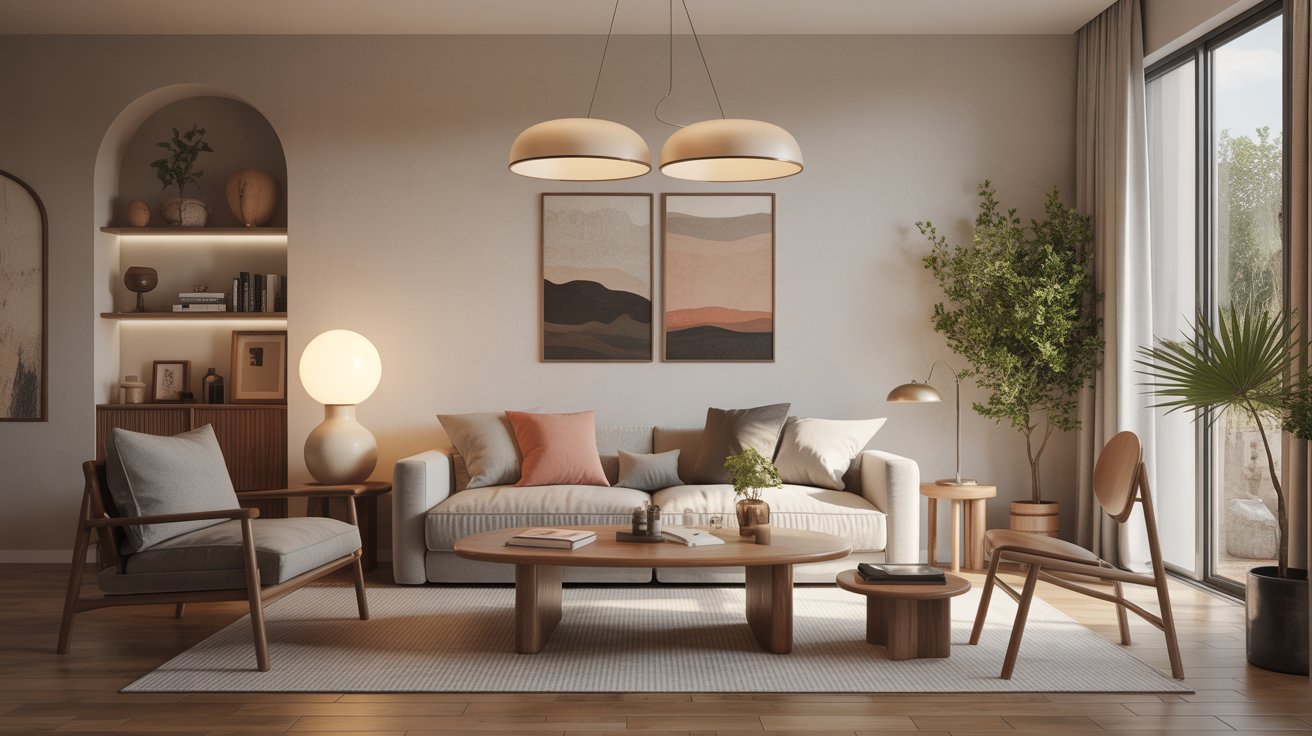
Thoughtful design does more than make rooms look nice. It supports your daily routines and improves your overall wellbeing.
When your space works with you instead of against you, everything feels easier.
The best interiors grow with you over time. They adapt as your lifestyle changes, whether that’s a new job, a growing family, or different hobbies.
Personal touches create real emotional attachment. They turn four walls and a roof into a home that feels genuinely yours.
That connection makes all the difference in how you experience your space every single day.
Tips for Applying Mintpalment Principles
- Start with space planning and layout before you buy any decor. Get the bones right first, then add the pretty stuff.
- Choose comfort and ergonomics over whatever’s trending right now. Trends fade fast, but a chair that supports your back lasts years.
- Layer your lighting for both mood and practical use. Mix overhead lights with lamps and accent pieces throughout the room.
- Mix different materials and furniture styles for balance. Variety adds personality and keeps spaces from feeling too matchy or boring.
- Test paint colors and furniture layouts in your actual space before committing. What looks good in a store might feel completely different at home.
Conclusion
The most important thing in interior design? Balance.
You need good layout, real comfort, layered lighting, quality materials, safety features, visual harmony, and personal meaning. All of it matters.
The best spaces make your life better. They show who you are. They feel right every single day.
Remember this: Interior design isn’t about creating perfection. It’s about how your space makes you feel when you walk through the door.
Ready to start? Begin with one room. Make it yours.
Frequently Asked Questions
What does Mintpalment mean in interior design?
Mintpalment is a modern approach that blends function with personal style. It focuses on creating spaces that match how you actually live, not just how they look in photos.
What’s the biggest mistake people make in interior design?
Choosing style over comfort and function is the top mistake. Trendy pieces that don’t work for your daily life will frustrate you quickly.
How do I start applying Mintpalment principles at home?
Begin with your space layout and how you move through rooms. Fix the flow and function first, then add colors, decor, and finishing touches.
Do I need to hire a professional designer?
Not necessarily. Start with small changes yourself and see how they feel. Bring in a pro if you’re doing major renovations or feel stuck.
How much should I spend on interior design?
Set a budget based on what you can afford comfortably. Focus spending on pieces you use daily like beds, sofas, and lighting fixtures first.
