

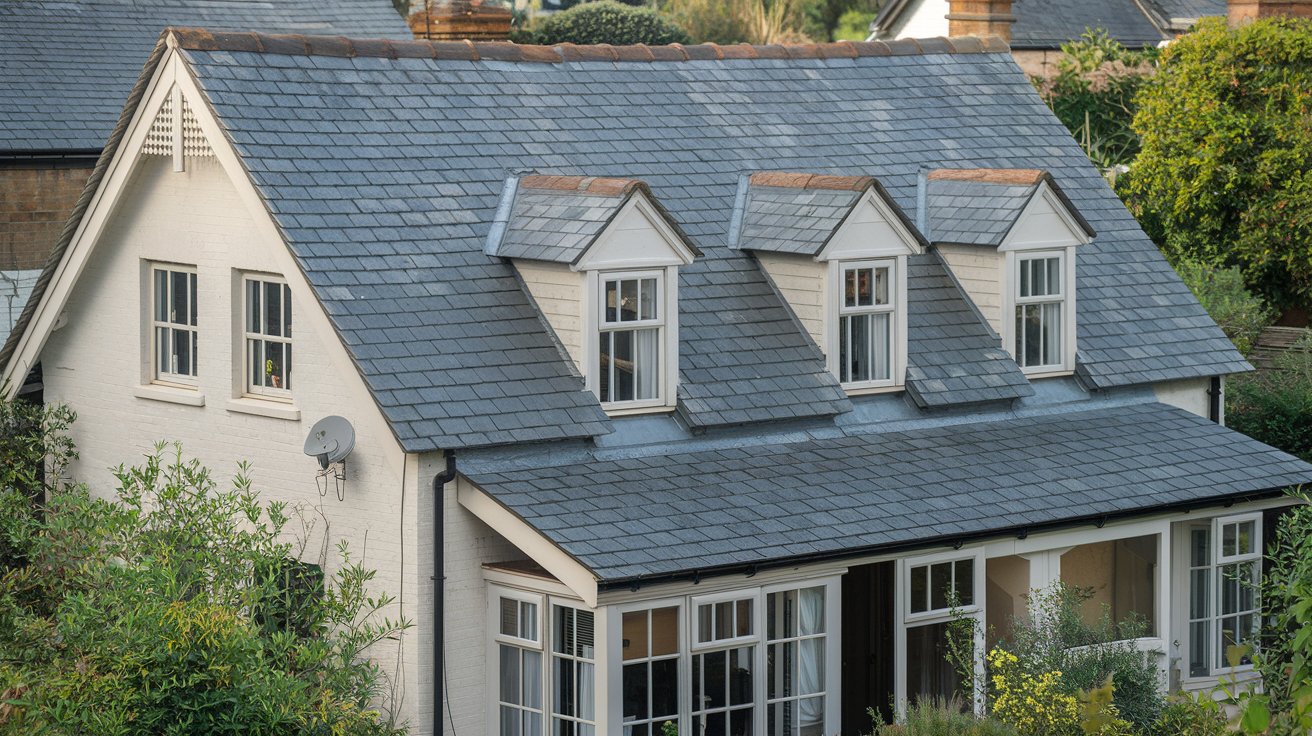
Let’s be honest: picking a new roof isn’t anyone’s idea of fun. But it’s a huge decision that goes well beyond just “keeping the rain out.” Your choice has a big impact on how your home looks and feels, what you pay for energy, and yes, how much money you end up spending, both now and for decades to come. The choices out there can feel overwhelming, but don’t worry: this guide will walk you through the most popular roofing options in the UK, breaking down what really matters so you can make a choice that suits both your home and your wallet.
Understanding Value: Upfront Cost vs. Lifetime Cost
You know that old saying: “buy cheap, buy twice”? That’s especially true when it comes to roofs. If you only look at the cheapest up-front price, you might end up with hidden costs down the line, think repairs, higher energy bills, or even a whole replacement sooner than you’d like.
Let’s break it down:
- Upfront Cost: This is what you pay right away, materials, installation, scaffolding, and any tweaks needed to your roof’s structure.
- Lifetime Cost: This is the bigger picture: the upfront bill plus everything you’ll spend over the years, whether that’s fixing cracked tiles, cleaning off moss, or (gulp) starting over with a new roof let’s say 20 years earlier than expected.
Sometimes, paying a bit more at the start for something that lasts is smarter money than doing it all over again a decade or two later.
An Overview of Common UK Roofing Materials
So, what are your choices? Here’s a straightforward look at the most popular roofs in the UK, with honest pros and cons, and what you can expect to pay. Remember, these are typical prices for the whole job (materials plus supply and fit), but your final bill depends on a bunch of things: where you live, how complicated your roof is, how easy it is for the builders to get at, and who you hire. Always get a few quotes, there’s usually quite a bit of wiggle room!
1. Concrete Roof Tiles
Concrete tiles are everywhere in the UK, and for good reason, if you want something solid, practical, and affordable, it’s a top contender.
Why you might like them:
- Easy on the wallet: Usually your best bet if budget is tight.
- Reliable: Modern varieties can see you through 40 to 60 years without much drama.
- Plenty of choice: Loads of shapes and colours, and some even look a bit like pricier options.
What to watch for:
- Heavy: Not every roof frame loves the weight, sometimes a bit of reinforcing is needed.
- Not quite as crisp-looking over the years: Colours can fade in our delightful British weather, and they can end up sporting some moss or lichen as they age.
- A touch porous: Old tiles can soak up a bit of rain.
Ballpark price: £80 – £140 per square metre.
2. Clay Roof Tiles
Clay tiles have a classic, high-end look, think cosy cottage or elegant Victorian home. They’re a bit of a step up in price but will outlast most people!
Why you might like them:
- Built to last: 60 to 100 years is perfectly normal.
- Gorgeous colours: Because the colours are baked in, they don’t fade with age.
- Great if you love that ‘proper’ traditional look.
What to watch for:
- More expensive: You’ll pay more than you would for concrete.
- Can break underfoot: Not one for clumsy roofers (or adventurous cats).
- Still on the heavy side: Your roof might need to be up to the task.
Ballpark price: £120 – £200 per square metre.
3. Natural Slate
Slate is the showstopper, gorgeous, super-tough, and undeniably elegant. If you want a roof that could see out not only children but possibly their grandkids, this is it.
Why you might like them:
- Exceptional lifespan: Over 100 years isn’t just a hope, it’s pretty normal.
- Looks the business: It’s a look that just says “quality”.
- Low fuss: Withstand water, fire, and rot brilliantly.
What to watch for:
- Eye-watering up front: The most expensive common roof material.
- Very heavy: Your roof structure definitely needs to be up for it.
- Needs the right people: Only skilled roofers should fit or fix slate, which does bump up the price.
Ballpark price: £150 – £250+ per square metre.
4. Fibre-Cement Slates
Want the slate look without the same price or weight? Fibre-cement slates are a nifty modern fix.
Why you might like them:
- Looks good for less: Much more wallet-friendly than the real thing.
- Lighter: Easier on your roof structure (and your installers’ backs).
- Faster to install: Less specialist knowledge needed.
What to watch for:
- Don’t last quite as long: Expect around 30-50 years.
- Can look a little uniform: Nice, but doesn’t quite have slate’s unique character.
- Brittle when older: They can crack as they age.
Ballpark price: £90 – £150 per square metre.
5. Metal Roofs (Steel & Aluminium)
Metal roofs are having a moment. Popular for modern builds and extensions, they’re practical, neat, and surprisingly durable.
Why you might like them:
- Seriously light: Good if your roof can’t handle tons of weight.
- Lasts the distance: 40-70 years from a quality job.
- Green credentials: Recyclable at the end of life, nice to know!
- Great for lower pitches: Can work on roofs as shallow as 5 degrees.
What to watch for:
- Upfront cost: More than concrete, sometimes similar to clay.
- Can be noisy: Rain can sound lively, though insulation helps.
- Requires know-how: Make sure your installer has proper metal roofing experience.
Ballpark price: £130 – £220 per square metre.
6. Flat Roof Systems
Flat roofs aren’t just for dull extensions anymore. The modern options are miles ahead of the old leaky felt on granny’s shed. Here’s what you’ll come across:
- EPDM (Rubber): A big rubber sheet, seriously tough, flexible, and usually installed in one go so there are minimal joins to spring leaks. Lifespan: 40-50 years. Price: £80 – £130 per m².
- GRP (Fibreglass): A seamless, ultra-hard-wearing coating. No joins, really tough, easy to look after. Lifespan: 25-40 years. Price: £90 – £140 per m².
- High-Performance Felt: Forget the old roll-and-torch stuff, modern felt jobs are much better. Multiple layers, solid performance. Lifespan: 20-30 years. Price: £70 – £110 per m².
Key Factors to Consider When Choosing Your Roof
It’s not just about the material. Some practical stuff will steer your decision:
Regional & Environmental Factors
- Wind and rain: If you’re out in windy Scotland or on a coastal hillside, the heavier and more interlocking your roof, the better. Think concrete or clay tiles, or well-fixed metal sheets.
- Sea air: If you live by the seaside, salt can rust some types of metal roofs and fixings. Go for marine-grade aluminium, fibreglass (GRP), or the good old slate or clay, these don’t mind a salty breeze.
- Heritage zones: Conservation areas and listed properties will often insist you keep to traditional materials and looks. Always check with your local council first.
Performance Characteristics
- Thermal performance: Roofing projects are a golden chance to sort your insulation. The latest regs mean top energy efficiency, so you’ll feel the difference in your bills.
- Weight: Check your roof structure can take the load, especially for heavier options. If not, lighter, modern choices might suit better.
- Fire rating: Most tiles and metal roofs offer top fire resistance. Still, check ratings for any new-fangled systems.
- Green points: Slate and clay have a super-low carbon footprint in their natural state, and metal is almost endlessly recyclable.
Warranties and Accreditation
- Look for guarantees: Material makers usually offer warranties. A good installer will also add a workmanship guarantee, often around 10 years.
- Check who you hire: Go with contractors who are members of the NFRC or TrustMark schemes. This protects you if something goes wrong and proves they know their stuff.
The Verdict: Best Value for Different Scenarios
There’s no one-size-fits-all answer to picking the best roof for your money, it really depends on what you need, your property, and your budget. Here’s a cheat sheet:
- If you’re watching the pennies:Concrete tiles are a proven, affordable choice that just works.
- For your “forever home”: Splashing out on natural slate or clay tiles makes sense, they’ll outlive you, and you’ll never have to think about roofs again.
- By the coast:Natural slate’s immune to sea spray and a classic for a reason. If you need a flat roof, GRP (fibreglass) is a cracking option.
- In a conservation area: You’ll often need natural slate or handmade clay tiles. It keeps the heritage look and adds value for the future.
- For a flat-roofed extension:EPDM rubber is reliable, tough, and cost-effective, with a minimal risk of leaks.
Checklist for Choosing Your New Roof
Here’s a quick checklist to help you get it right:
- Work out your real budget: And add a bit extra (10-15%) because surprises do happen.
- Look at your home: Consider style, age, region, and what your roof can physically cope with.
- Check the planning rules: Especially if you’re in a listed property or conservation area.
- Think long-term: Cheap up front can mean pain later. Weigh the cost over decades, not just today.
- Get at least three quotes: Make sure they’re like-for-like so you can compare properly.
- Scrutinise your installer: Look for CORC/TrustMark registered roofers like Point Roofing, ask for references, check their portfolio.
- Read the small print: Know exactly what guarantees (materials and labour) you’ll get.
Frequently Asked Questions
Q: How long will my new roof really last?
A: Depends what you pick! A modern felt flat roof might last 20-30 years. Concrete tiles can hit 40-60 years, while natural slate or clay could still be protecting your home in a century.
Q: Can I stick a new roof over the old one?
A: Usually not for pitched roofs, it’s a weight issue and hides potential problems. For flat roofs, it’s sometimes possible to lay new over old, but complete replacement is usually best.
Q: Will a new roof make my house more valuable?
A: Definitely. Buyers love the reassurance that a big job’s already been done. You may not get every penny back in extra value, but your home will be a lot easier to sell and often for a better price.
Choosing a roof isn’t easy, but a little research now saves big headaches in the years to come. Hopefully, this guide brings clarity and confidence as you make your pick, good luck, and here’s to a roof you’ll never have to think about again!
