

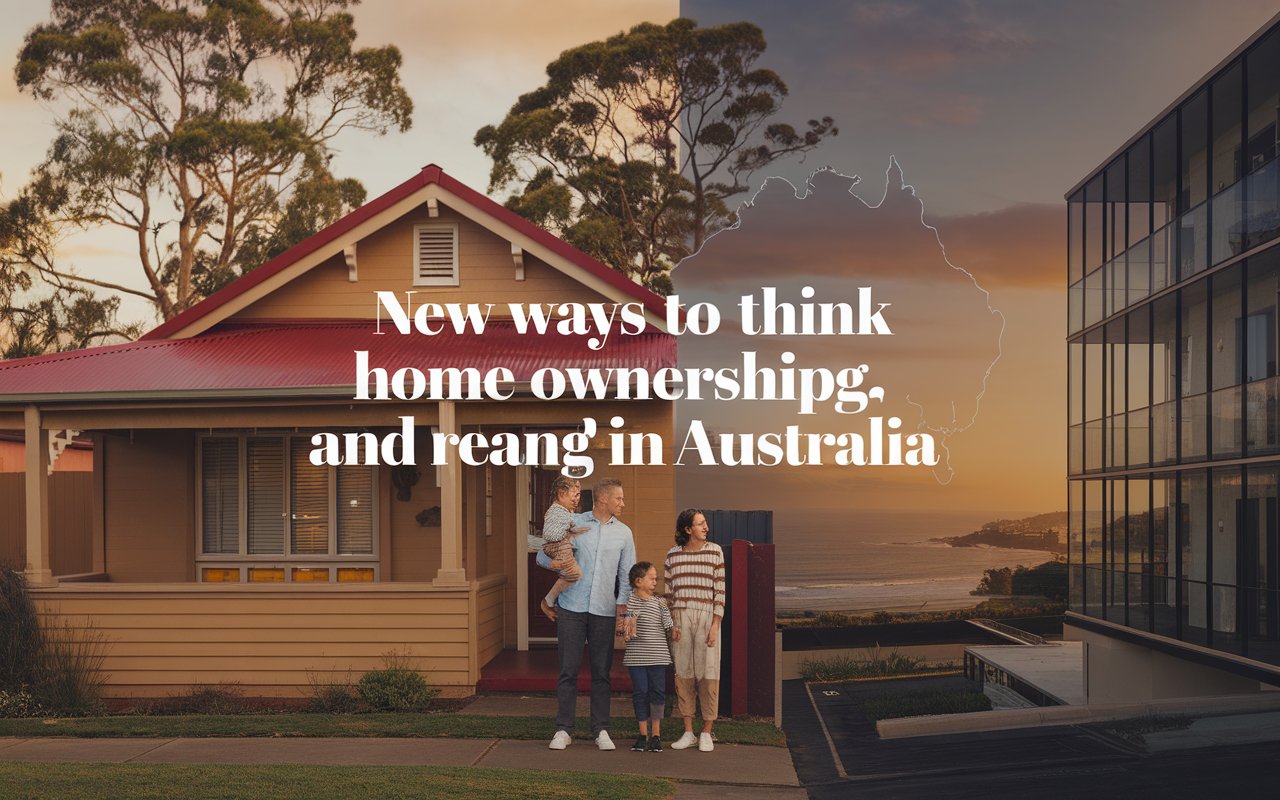
A quiet revolution is taking place within the Australian housing landscape. Soaring property prices, evolving work habits, and changes in lifestyle priorities are forcing a rethink on what “home” truly is for many. The old pathways, buying a house or signing a long-term lease, no longer stand as the sole options on the table. Today, flexibility, community, and convenience reshape the way Australians make decisions about housing.
For decades, the Great Australian Dream revolved around owning your own home: a quarter-acre block, a mortgage, and the security of owning your own little bit of the country embodied success. But with property prices continuing to climb in major cities such as Sydney, Melbourne, and Brisbane, that dream feels increasingly out of reach for many. But at the same time, attitudes are changing. Younger Australians are wondering whether tying themselves to a thirty-year mortgage still makes sense in a world where careers, relationships, and opportunities are more fluid than ever.
It’s not about opting out of stability but redefining it. For a new generation of renters and homebuyers, the meaning of home can be different-more flexible, more social, more in tune with the way people actually want to live today.
From Ownership to Access
Owning a home was once the ultimate life milestone. Generations of Australians worked toward that goal, viewing property as both a safe investment and a symbol of security. But for many people today, the focus has shifted from ownership to access. With remote work becoming standard practice and global mobility the norm rather than the exception, the appeal of being tied to one location-and one substantial mortgage-has begun to fade.
Younger generations are prioritizing experiences, location flexibility, and financial freedom over long-term property commitments. Rather than saving every dollar for a deposit, many invest in travel, education, or starting a business. They’re asking different questions: Why commit to a single suburb when your career might take you interstate next year? Why shoulder the burden of maintenance, rates, and repairs when renting offers simplicity?
This mindset shift does not reflect a lack of ambition; it reflects another understanding of value. Quality housing, in desirable locations, free from the financial burdens associated with ownership, has become an attractive alternative. The market is responding with options that are beginning to make this lifestyle not just viable but genuinely appealing.
Flexible Renting and Managed Living
The rental market in itself is changing. Short-term rentals, furnished rentals, and professionally managed communities are fast becoming high in demand in Australian cities. These models afford occupants the comfort of a private home with added convenience: maintenance, cleaning, and utilities are often dealt with by operators, not tenants.
It reflects the demand for housing that fits the fast pace of life without administrative and financial burdens. Managed living takes the hassle out of renting. The days of frantically seeking a plumber at midnight are over, as are arguments with landlords over bond deductions. Instead, residents will see a seamless experience where problems are solved swiftly.
For professionals who travel frequently, digital nomads, and anyone in career transition, this model offers breathing room. You can move in with a suitcase and move out just as easily. The lease terms are shorter, the furnishings are already there, and the community amenities-gyms, coworking spaces, rooftop terraces-come standard. Housing finally designed for the way people live their lives now, not how they did a generation ago.
This flexibility extends beyond convenience to control: renters in managed living environments aren’t at the mercy of capricious landlords or sudden rent increases. They’re choosing housing that meets their current needs, knowing they can adapt when those needs change. It’s stability that doesn’t necessitate permanence.
Community Centred Living
As city living becomes increasingly isolating, new models of housing stress connection. Many Australians find themselves living alone in an expensive apartment, with little opportunity to engage with their neighbors—and the ideal of suburban community that they may have grown up with is hard to translate to high-rise inner-city living.
One of the most intriguing responses to this challenge is co-living: shared spaces that balance privacy with a strong sense of community. These aren’t share houses in the traditional sense, where you’re splitting a small flat with strangers. Co-living properties are purpose-built, with private bedrooms and bathrooms complemented by thoughtfully designed communal areas: kitchens, lounges, dining spaces, and often facilities like cinemas or rooftop gardens.
The benefits of co-living all come back to three main areas: affordability, social connection, and flexibility. The cost of living is lower than renting solo in the same areas, with access to amenities that would be unaffordable on an individual basis; more importantly, they are part of a built-in community. Shared meals, social events, and simply crossing paths with housemates in common areas create opportunities for genuine connection.
For international students, young professionals new to a city, or anyone tired of living alone, co-living offers something that the traditional rentals lack: a sense of belonging. You are not just renting a room but actually joining a community of people at similar life stages, often with shared interests or professional backgrounds. It’s housing with a social infrastructure built in.
This model holds particular relevance in Australia’s tight rental markets. Where cities might charge half your income for a one-bedroom apartment, co-living offers quality accommodation at a more manageable price point without sacrificing comfort or community. It’s proof that affordable urban housing doesn’t have to mean isolation or compromise.
Technology and the Digital Tenant
Technology has fundamentally altered the experience of renting. Digital systems are driving everything from rent payment to roommate matching, touring properties virtually, signing leases electronically, and submitting maintenance requests with just a tap on an app. Smart home features, including keyless entry, climate control, and automatic lighting, are now the standard in new developments.
This technological integration has made the rental experience closer to that of a subscription service: adaptable, efficient, and deeply personalized. You can handle your whole housing situation from your phone, whether you check when your lease is up or split utility bills with housemates.
Technology has streamlined the process for property managers and landlords. Automated rent collection reduces late payments. Digital inspections and maintenance tracking improve property upkeep. Data-driven and reference-based processes make a better match between the tenant and the property.
But the real transformation is in how tenants relate to their homes: technology makes it easier to find, manage, and enjoy living spaces without long-term ties. You can research neighborhoods, properties, read reviews, and book viewings-all before setting foot in a suburb. When you move in, the transition is seamless. And when you decide to move on, the exit is just as smooth. There’s less friction, less paperwork, and less stress.
This digital-first approach aligns perfectly with the broader shift toward flexibility. Housing is no longer a decades-long commitment you enter into with trepidation; it’s a service you access, enjoy, and adjust as your life evolves.
A New Definition of “Home”
Home is no longer solely defined by ownership but by belonging and flexibility. Whether co-living, flexible rentals, or managed housing, modern Australians are redefining stability-not permanence, but the freedom to choose how and where they live.
The ramifications of this shift run deep. For individuals, this means housing decisions can align with career opportunities, relationship changes, or simply the desire to experience different parts of the country. You are not locked into one suburb, one community, or one lifestyle indefinitely; your housing can evolve with you.
For property owners and developers, the shift in this mindset means creating spaces that emphasize community, convenience, and adaptability much more than square footage alone. The most successful developments these days aren’t just about accommodation; they’re about experiences. They build communities that residents want to stay in, not necessarily because they’re stuck with a mortgage, but because the lifestyle actually fits them.
End Note
This redefined concept of home does not diminish the value of ownership for those who want it, but it recognises that today there are various valid paths to housing security and satisfaction. Some Australians will always aspire to own property. Others will find real fulfillment in the flexibility, community, and simplicity that modern rental models provide.
The revolution isn’t about one model replacing another; it is about expanding options so that everyone can find a living situation that feels truly like home, whether they own it or not. In a constantly evolving Australian housing market, the winners will be those who embrace this diversity: residents who know they have a choice, developers that design for how people actually live, and communities realizing that home is not just about the bricks and mortar but about belonging, flexibility, and freedom to define stability in your own terms.
