

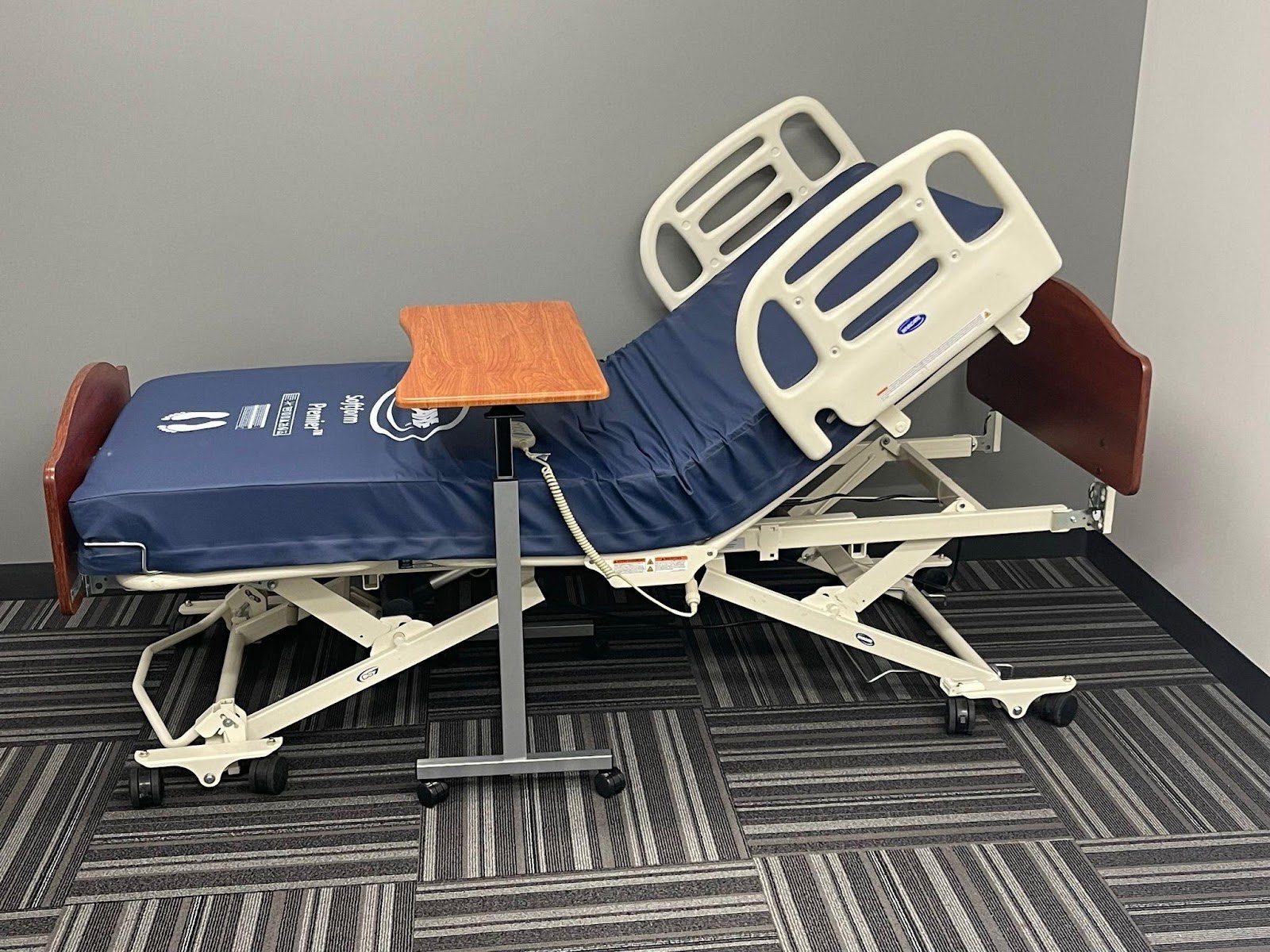
We talk about detail in the home improvement space for aesthetics — the perfect paint, the perfect backsplash, the trendiest throw pillows. However, with 2026 showcasing an increased interest in wellness-integrated living, a fresh trend has developed – Home Detailing for Health!
So they decided to go for the most important room, which is the place where we spend a third of our lives: the bedroom. The bedroom needs to become a high-functioning recovery sanctuary — not just a place to sleep — when a loved one is recovering from surgery, dealing with a chronic condition, or just aging in place. To do this involves the dual approach of: 1) Keeping the germs away and 2) Ergonomic precision.
1. The Foundation of Ergonomics: Beyond the Standard Mattress
Traditional beds are designed for the average sleeper, but “Home Detailing for Health” demands more. Ergonomics in a recovery setting is about reducing physical strain on both the patient and the caregiver.
Why Adjustable Support is Non-Negotiable
- Respiratory and Circulatory Health: Raising the head of the bed helps with sleep apnea, COPD, and acid reflux. On the other hand, lifting the legs can help decrease swelling and improve circulation to the heart.
- Static surfaces are the static surfaces of the platform itself, which is the main cause of bedsores. A good profiling bed allows for small, regular body weight shifts.
- Independence in Mobility: For many, the struggle is simply getting in and out of bed. A bed that can lower to “ultra-low” levels or rise to a standing-assist height empowers the user to move safely without constant help.
- If you are looking for long-term solutions, searching for a modern hospital bed for sale is the first step toward a professional-grade home setup. These beds are no longer the bulky, metal frames of the past; 2026 models are designed with wood-grain finishes and sleek lines that match high-end interior design.
2. Germ-Free Detailing: The Science of Bed Hygiene
A clean room looks nice, but a “germ-free” room is a medical necessity during recovery. Bacteria and viruses can live on porous surfaces for hours, and on non-porous surfaces (like bed rails) even longer.
Sanitization Protocols for the Home
- The “High-Touch” Rule: Disinfect the “high-touch” zones daily. This includes the bed remote, the side rails, and the overbed table. Use medical-grade antimicrobial wipes that are safe for electronics.
- Mattress Encasing: Ensure the mattress is medical-grade with a fluid-resistant, vapour-permeable cover. These are designed to be wiped down with a 1:10 bleach solution or hydrogen peroxide without damaging the internal foam.
- Laundry Rigour: Bed linens should be changed at least twice a week—more often if the patient is bedridden. Wash on the highest heat setting ($60$°C or higher) to ensure the elimination of dust mites and pathogens.
3. Selecting the Best Homecare Bed for Sale
Selecting the proper model is crucial when moving from a temporary rental to a permanent home modification. Homecare beds to buy are not one-size-fits-all; rather, they depend on the user’s health needs.
Key Features to Look For:
- All-Electric Operation: Enables the user to control the head, foot, and entire bed height using a single hand control
- Integration of Smart Sensors: Many of the new generation beds are coming with under-mattress sensors that can keep a record of the heartbeat and the breathing pattern. They can also issue out-of-bed alerts in order to help prevent falls.
- Bariatric and Luxury: Bariatric options provide wider, stronger frames for a higher weight capacity, while luxury scooters feature extra comfort and spacing. A lot of the newer designs look far less “clinical” and blend better into a home environment, too.
Feature and Benefit for The Private Home
- Trendelenburg Tilt: This position is good for mobility and can also address specific medical needs.
- Ultra-Low Height: Lowers closer to the ground, reducing the risk of injury from nighttime falls
- Power Outage: It allows the bed to keep working even during a power outage.
- AWA Wood Grain Panels: Allows the bed to assimilate with home décor in a more “non-institutional” appearance
4. Caregiver Ergonomics: Protecting the Helper
Home detailing for health also includes the physical well-being of the person providing the care. One of the most common home-care injuries is caregiver back strain.
- Variable Height Adjustment: A bed that raises to “waist level” allows a caregiver to change linens, assist with hygiene, or dress a patient without bending over.
- Under-Bed Clearance: Ensure the bed frame has enough clearance for a Hoyer lift or a sit-to-stand aid. This allows for safe transfers from the bed to a wheelchair.
- Smooth-Rolling Casters: A bed that is easy to move allows for better “deep cleaning” of the floor underneath, where dust and allergens tend to collect.
5. Creating an Ergonomic Atmosphere
Ergonomics is more than the frame of the bed; it is an entire room design.
- Lighting: Use motion-sensor floor lighting. The floor, for example, should light up automatically when the patient gets out of bed so as to avoid trips.
- Air quality: Place a hepa filter air purifier close to the bed. Such a task is valuable for the individual who is sensitive to allergens and germs overall, considering that it minimizes the stress of having airborne allergens and germs.
- Decluttering: Ensure there is a 36-inch clear path around the bed for mobility aids (walkers/wheelchairs). Remove all area rugs unless they are taped down with non-slip backing.
Conclusion: Investing in a Recovery Sanctuary
Creating a germ-free and ergonomic sleep environment is about more than just buying furniture; it’s about “detailing” your home to support the human body at its most vulnerable. Whether you are browsing for the best homecare bed for sale to support a parent or looking at a modern hospital bed for sale for your own recovery, the goal is the same: a home that heals.
Focusing on high-tech sanitization, caregiver safety, and the latest in adjustable sleep technology, a standard bedroom can be transformed into a recovery suite that feels like home and not a hospital.
