

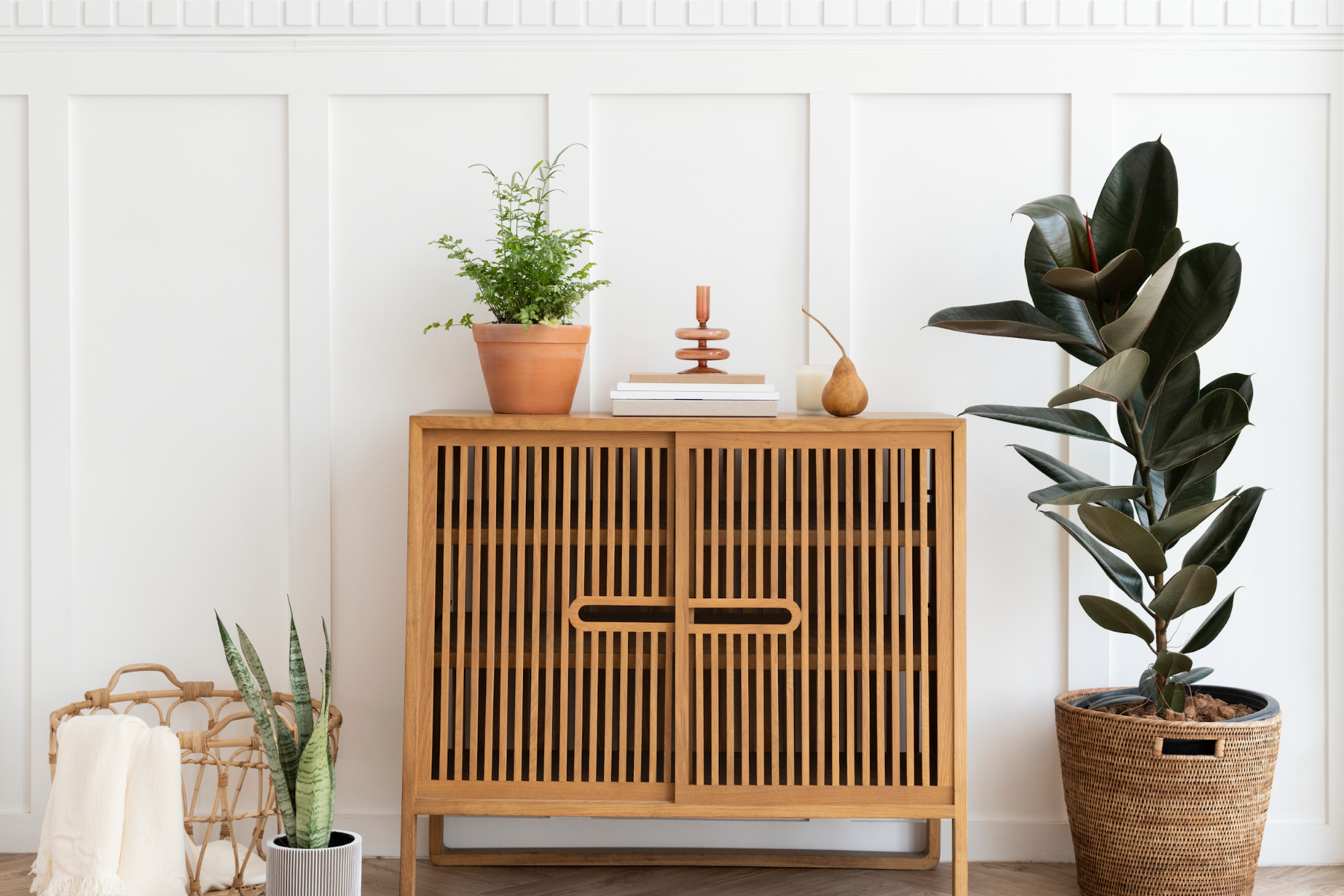
Living on a tight budget often comes with the assumption that comfort and style must take a back seat to necessity. For many households navigating affordable housing or rental assistance programs, financial limits can shape where they live, how much space they have, and what changes they are allowed to make. Yet budget-conscious living does not mean settling for an uninspired or uncomfortable home. With intention, creativity, and practical choices, it’s possible to create a living space that feels personal, functional, and visually appealing—without overspending.
A home is more than a roof and four walls. It’s where daily routines unfold, where families gather, and where individuals recharge. When a space feels welcoming and reflects personal taste, it can support emotional well-being and stability. This is especially important in affordable housing, where residents may already be balancing financial stress with long-term goals. Style, in this sense, is not about luxury—it’s about dignity, comfort, and self-expression.
Rethinking What “Style” Really Means
Style is often associated with trends, high-end finishes, or designer furniture, but in reality, it’s about cohesion and intention. A stylish home doesn’t require expensive pieces; it requires thoughtful choices that work together. Neutral color palettes, balanced layouts, and practical furniture can create a sense of harmony regardless of budget.
For renters and households in subsidized housing, flexibility matters. Many leases restrict painting, renovations, or permanent installations, which means style has to come from elements that can move with you. Textiles, lighting, and accessories become powerful tools. Curtains, rugs, throw pillows, and wall art can instantly change how a room feels, all without altering the structure of the space.
Designing With Real-Life Needs in Mind
Affordable living often means making the most of limited square footage. Small apartments, shared rooms, or multifunctional spaces require designs that support daily life rather than just aesthetics. A well-designed budget home prioritizes function first, then layers in style.
Multifunctional furniture is a practical starting point. A dining table that doubles as a workspace, a bed frame with built-in storage, or a bench that serves as seating and organization can reduce clutter while maximizing usability. When every item has a purpose, the space naturally feels more open and intentional.
Organization also plays a major role in how a home looks and feels. Open shelving, baskets, and vertical storage solutions can keep essentials accessible while reducing visual clutter. Even simple habits—like limiting countertop items or grouping similar objects—can elevate a space without costing anything.
Personal Touches That Don’t Break the Budget
One of the most meaningful aspects of style is personalization. Photos, artwork, and objects tied to memories bring warmth and identity into a home. These items don’t need to be costly; often, the most impactful décor is sentimental rather than expensive.
Renter-friendly solutions make it easy to personalize without risk. Removable hooks, adhesive strips, and peel-and-stick décor allow residents to decorate walls safely. Fabric wall hangings, framed prints, or even a curated gallery of personal photos can transform blank walls into expressive focal points.
Lighting is another underrated way to add character. Harsh overhead lighting can make even a well-decorated room feel cold. Floor lamps, table lamps, or soft LED bulbs create a more inviting atmosphere and allow residents to control the mood of a space throughout the day.
Smart Spending and Resourceful Choices
Budget living encourages resourcefulness, and that mindset often leads to more creative and sustainable homes. Secondhand furniture, community exchanges, and local donation programs are valuable resources for households looking to furnish or decorate affordably. Many items can be refreshed with simple updates like new hardware, fabric covers, or a thorough cleaning.
DIY projects don’t have to be complex to be effective. Repainting a small piece of furniture, creating wall art from printed designs, or repurposing everyday items into organizers can bring style and satisfaction at the same time. These projects also foster a sense of ownership and pride in one’s space.
Importantly, budget-conscious design is not about constant spending—it’s about intentional spending. Waiting to find the right piece, choosing durability over trends, and focusing on long-term usefulness can prevent waste and regret.
Affordable Housing and the Importance of Feeling at Home
For individuals and families using rental assistance programs, finding a suitable place to live is only the first step. Turning that space into a home is what creates stability. Affordable housing plays a critical role in supporting communities, but the lived experience within those homes matters just as much as affordability.
Residents who feel comfortable and invested in their living environment are more likely to care for their homes, build routines, and engage with their communities. This sense of belonging supports mental health, family cohesion, and overall quality of life. Style, in this context, is not superficial—it’s foundational.
For those searching for subsidized housing options, Section 8 Search can help streamline the process of identifying available listings and understanding housing opportunities. Once a home is secured, the focus can shift from survival to personalization and growth.
Creating Consistency on a Budget
One of the challenges in budget decorating is avoiding a mismatched look when items come from different sources. Consistency doesn’t require identical furniture; it requires a unifying element. This might be a color palette, a material theme, or a repeated pattern.
For example, choosing two or three main colors and sticking to them throughout the home can create visual flow. Incorporating similar textures—such as wood tones, metal accents, or soft fabrics—helps tie rooms together. Even small details, like matching storage bins or coordinating frames, can make a space feel cohesive.
Consistency also applies to layout. Keeping walkways clear, aligning furniture with walls, and allowing rooms to “breathe” makes even modest spaces feel more intentional and comfortable.
Style as a Tool for Stability
A well-organized, thoughtfully styled home supports daily routines. When spaces are designed with real habits in mind—morning routines, family meals, rest—it becomes easier to maintain order and reduce stress. This is particularly valuable for households managing tight schedules, multiple responsibilities, or financial uncertainty.
Children benefit from environments that feel stable and predictable. Defined spaces for homework, play, and rest help create structure. Adults benefit from having areas that support relaxation and focus. None of this requires excess spending; it requires awareness of how the home is actually used.
Redefining Success in Budget Living
Budget living without sacrificing style is ultimately about redefining what success looks like at home. It’s not about impressing others or following trends—it’s about creating a space that supports your life as it is now, while allowing room for future goals.
Affordable housing and rental assistance programs make stability possible. Thoughtful design and personal style make that stability meaningful. When a home reflects care, intention, and individuality, it becomes more than a place to live—it becomes a foundation for growth.
Every household, regardless of income, deserves a home that feels comfortable and expressive. With practical choices and creative thinking, style can thrive even within financial limits.
