

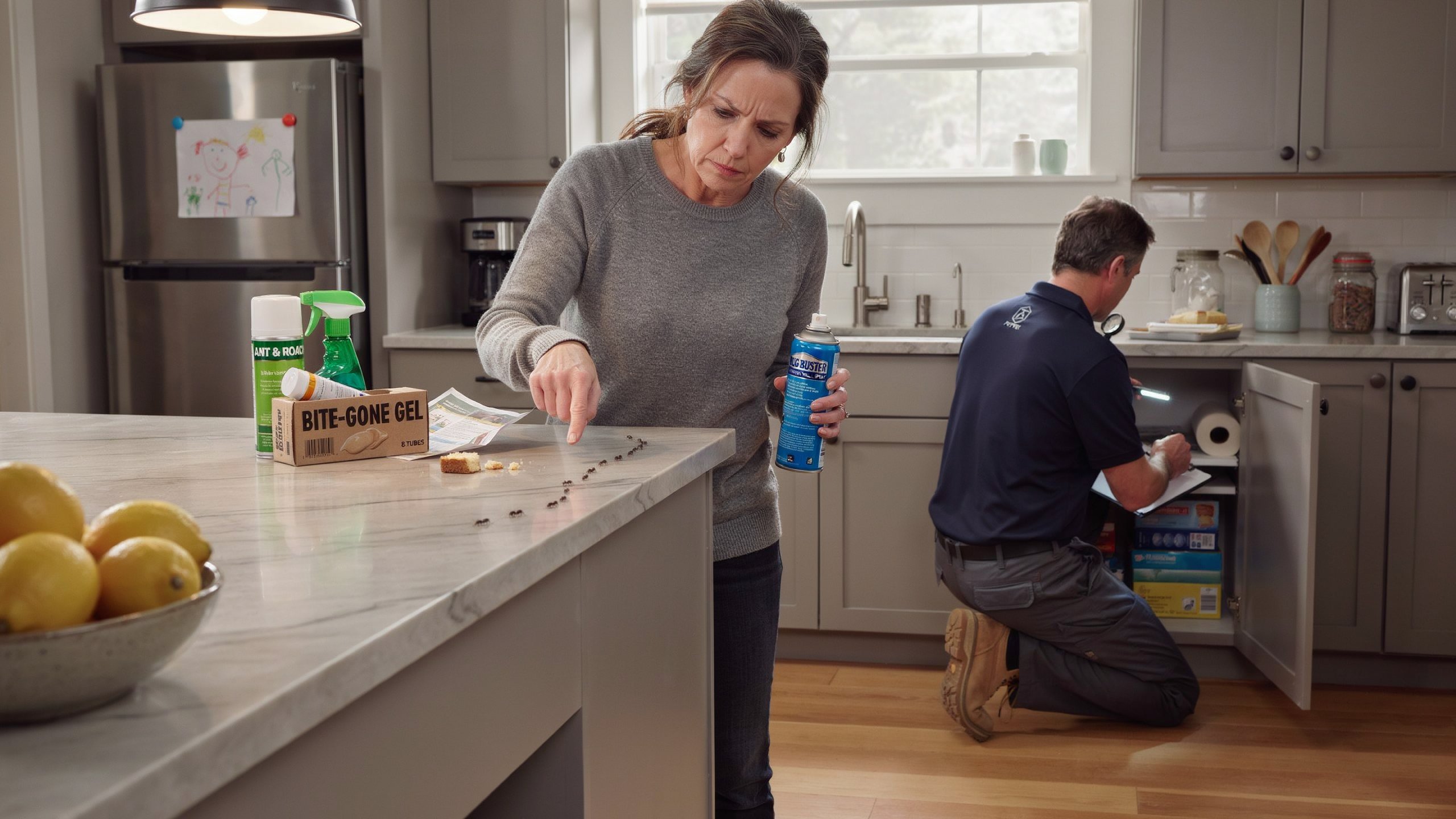
A bottle of insect spray or a few strategically placed traps might seem like an inexpensive answer to an unwanted household visitor. With hardware stores offering countless pest control products, it’s understandable why homeowners attempt to handle infestations themselves. Unfortunately, the cheapest option at checkout isn’t always the most affordable solution over time. Misidentified pests, ineffective treatments and overlooked entry points can turn a minor problem into an expensive headache. While some household pest issues can be managed independently, larger infestations often require professional attention. Understanding where DIY methods fall short can help homeowners avoid unnecessary expenses and protect their properties.
Temporary Treatments Create Recurring Expenses
One of the biggest problems with DIY pest control is that many products address visible pests without eliminating the conditions allowing them to thrive. Spraying ants along a kitchen counter may temporarily reduce their numbers, but it doesn’t necessarily eliminate the colony. Similarly, trapping a mouse won’t prevent additional rodents from entering through gaps around foundations, doors or utility lines.
These incomplete treatments can create a cycle of repeated purchases. Homeowners may spend money on different sprays, traps, repellents and cleaning supplies while the underlying infestation continues. Some pests also require specialized treatment methods that aren’t available in ordinary retail products. A professional inspection can help identify the source of activity and determine whether targeted treatment, structural repairs or changes in sanitation are necessary.
Local Pest Problems Require Expertise
Pest activity varies according to climate, building construction and surrounding environmental conditions. Termites may threaten wooden structures, while rodents frequently exploit openings around older foundations and utility connections. Moisture problems can also encourage certain insects to settle indoors. Understanding these factors is important because treating the wrong pest or overlooking its preferred habitat can waste both time and money.
Homeowners researching pest control in Cincinnati, Richmond or Portland may encounter different seasonal challenges and locally prevalent species. A qualified local professional can identify the pests involved, explain contributing conditions and recommend treatments appropriate for the property. This regional knowledge becomes especially valuable when infestations involve insects that look similar but require different approaches. Correct identification helps homeowners avoid purchasing products that were never suitable for the problem.
Prevention Is Cheaper Than Repeated Treatments
Successful pest management involves more than eliminating insects or rodents already inside a home. It also requires addressing the conditions that attracted them. Food debris, standing water, damaged weatherstripping and unsealed exterior openings can create opportunities for pests to return. Without correcting these issues, even an effective initial treatment may provide only temporary relief.
Professional pest management often emphasizes long-term solutions that combine targeted treatments with exclusion, sanitation and moisture control. This approach can include sealing entry points, repairing leaks, improving storage practices and monitoring areas where pests previously appeared. Homeowners can perform many preventive tasks themselves, but professionals can help identify less obvious vulnerabilities. Investing in prevention may reduce the need for repeated treatments and limit the likelihood of expensive infestations developing later.
Hidden Damage Can Become Expensive
Some household pests cause problems that extend well beyond the inconvenience of seeing them indoors. Termites can damage wooden structural components, while rodents may chew electrical wiring, insulation and stored belongings. Carpenter ants can excavate galleries in damp or deteriorating wood, potentially worsening existing structural concerns. These problems aren’t always visible during the early stages of an infestation.
Delaying professional evaluation while experimenting with ineffective treatments can allow damage to continue. Repairs may involve replacing insulation, addressing contaminated materials or restoring affected building components. The total expense depends on the pest, severity and location of the damage. Homeowners who notice unexplained wood deterioration, recurring droppings or persistent activity inside walls should consider arranging an inspection rather than relying exclusively on store-bought products.
Improper Treatments Carry Additional Risks
Using pesticides incorrectly can introduce expenses and safety concerns that homeowners don’t anticipate. Applying excessive amounts, mixing incompatible products or treating areas not listed on a product label can expose residents and pets to unnecessary hazards. Certain chemicals may also damage surfaces or require precautions that aren’t obvious to inexperienced users.
Professional applicators are trained to follow product labeling requirements and select treatments based on the pest and location. Homeowners should still ask about licensing, treatment methods, safety precautions and any necessary preparation before hiring a company. It’s also important to request a written estimate explaining the services included, whether follow-up visits are necessary and what guarantees apply. Comparing these details helps distinguish a worthwhile professional service from an expensive treatment plan that doesn’t address the actual problem.
Know When Professional Help Makes Sense
DIY pest control isn’t automatically a bad investment. Basic prevention, sanitation and occasional minor pest problems can often be handled without professional assistance. However, recurring infestations, suspected structural damage and pests that pose health concerns deserve a more thorough approach.
The smartest financial decision isn’t always purchasing the cheapest treatment. It’s identifying the problem accurately, addressing its causes and preventing avoidable damage before the costs grow.
