

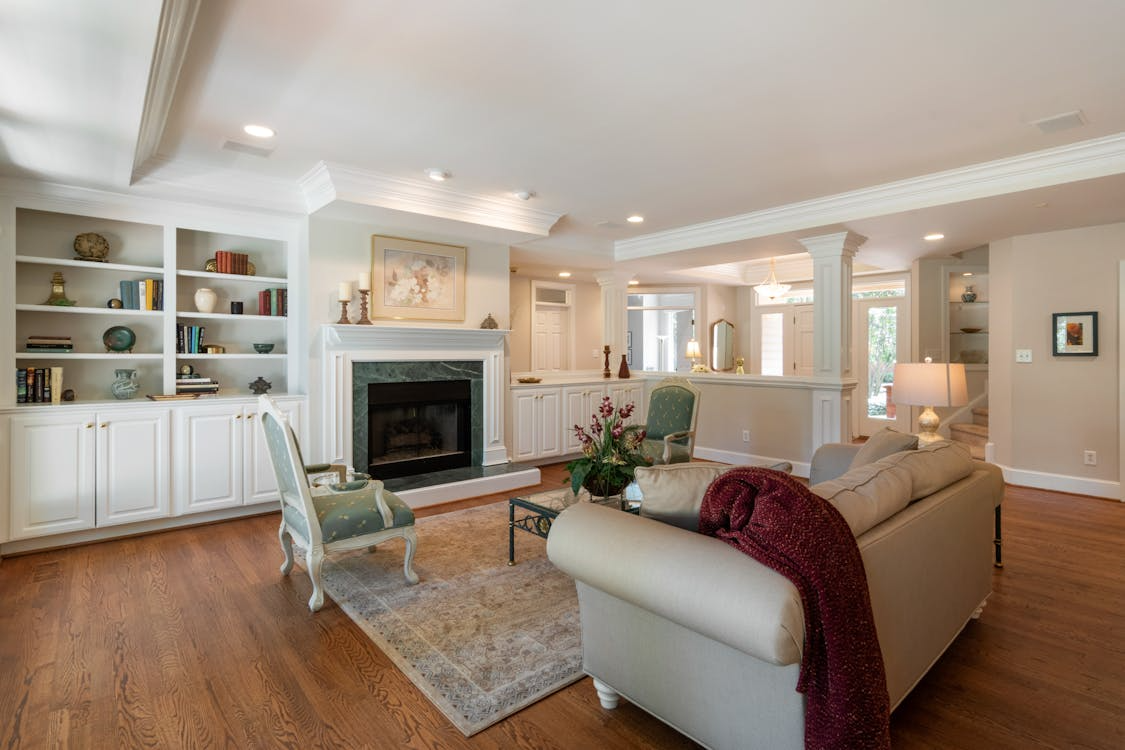
Even with a great sofa, good lighting, and a balanced color scheme, a room can still feel unfinished. Often, what is missing is right under your feet. Rugs help tie a space together in ways that walls and furniture cannot. They define different areas, soften noise, and add texture, making a room feel welcoming and comfortable rather than just styled for display.
The rug market has shifted significantly in recent years, moving beyond the traditional patterns that dominated for decades. Today, designs draw inspiration from Scandinavian simplicity, natural textures, and modern organic styles. This gives homeowners more options to express their personal taste through their rug choices. A well-chosen contemporary rug can act as both a functional foundation and a defining design feature.
Texture Has Become the Defining Design Element
Flat-weave rugs were in style for years, but in 2026, interiors are leaning toward rich, tactile surfaces. Hand-woven wool rugs with thick pile, jute and sisal blends with natural variation, and designs that use raised and lowered surfaces to create subtle patterns are now among the most popular choices.
This shift reflects a broader interior design focus on sensory comfort, where materials are selected not just for appearance but for how they feel in daily use. A thick wool rug beneath bare feet on a winter morning delivers a level of comfort that hard flooring cannot replicate.
Layering a smaller textured rug over a larger flatweave adds dimension to a living room without requiring a full redesign. Choosing a contemporary rug with the right texture and weight can transform the atmosphere of a space from the ground up.
Color Trends Favour Earthy Warmth Over Cool Minimalism
The all-gray interiors that defined the previous decade are gradually giving way to warmer tones. Terracotta, soft clay, warm beige, muted olive, and dusty rose are becoming more common in modern rug design. These colors are inspired by natural elements, helping bring warmth and balance into interior spaces.
Blue remains a popular accent, especially in deep navy and soft denim tones that pair well with wood flooring and natural materials. Unlike previous trends, bold colors are now used more intentionally. For example, a warm ochre rug placed on light wood flooring can stand out without overwhelming the room.
Shape and Size Matter More Than Pattern
Rectangular rugs remain the most common choice, but round, oval, and organic shapes are gaining popularity. A round rug under a circular dining table creates visual balance, while an irregular shape in a reading nook can add personality that a standard rectangle cannot provide.
Many homeowners struggle with choosing the correct rug size. If a rug is too small, it can make the furniture feel disconnected from the space. A common guideline is to position at least the front legs of all seating furniture on the rug to create a cohesive layout. In bedrooms, a large rug that extends at least 24 inches beyond each side of the bed provides a comfortable surface to step onto in the morning.
Sustainable Materials Are No Longer a Niche Choice
Wool, jute, cotton, and recycled fibers are no longer niche options. They are widely considered practical choices for homeowners who want durability along with environmental responsibility. High-quality wool rugs are naturally flame-resistant, durable, and biodegradable, offering long-term value compared to synthetic alternatives.
Jute and sisal rugs work well in relaxed or coastal-inspired interiors, adding texture that softens modern spaces. For high-traffic areas such as hallways and living rooms, blends like wool and cotton or jute and chenille provide a balance of comfort and resilience. Natural fiber rugs tend to maintain their appearance longer, making them a cost-effective option over time.
Rugs Define Zones in Open-Plan Living
Many modern homes feature open-plan layouts, where the kitchen, dining, and living areas share one continuous space. To make these layouts functional, clear visual separation is essential. Rugs offer one of the simplest and most flexible ways to define these zones without adding permanent structures.
Placing a rug under the dining table separates it from the living area. Using a different texture or color under the sofa establishes a clear relaxation zone. A runner along the kitchen workspace can introduce warmth to hard flooring. These zones remain flexible and can be adjusted by rearranging furniture or updating your rug selection.
Investing in Quality Pays Off Over Time
Mass-produced synthetic rugs may appear appealing initially, but they tend to flatten, fade, and wear quickly. A well-made rug crafted from quality materials often improves with age, developing character rather than simply deteriorating. Over time, investing in a durable contemporary rug can be more cost-effective than repeatedly replacing cheaper alternatives.
Proper care extends the life of any rug. Vacuuming regularly on a low setting, rotating the rug every six months, and scheduling professional cleaning every two to three years help maintain its structure and appearance. For households with pets or children, applying a stain-resistant treatment at the time of purchase adds protection without changing the look or feel of the rug.
Wrap Up
The right rug does more than complete a room. It influences how a space looks, feels, and functions. Choices in texture, color, size, and placement all contribute to the overall atmosphere of a home. With open layouts and natural materials continuing to shape interior design, rugs remain one of the most effective ways to introduce warmth and structure. Selecting a high-quality rug ensures your space feels cohesive, comfortable, and visually complete for years to come.
