

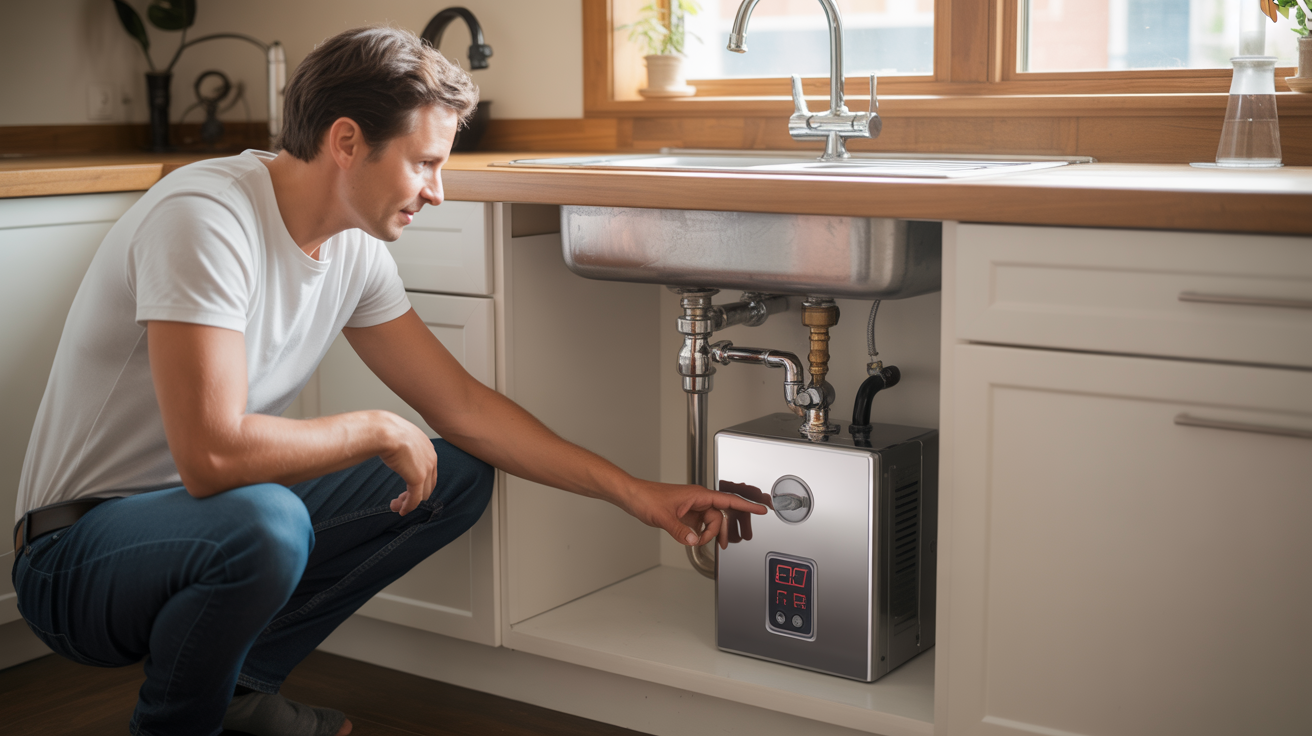
Hot water is one of those everyday essentials you only think about when it stops working. Whether it’s a cold shower, fluctuating temperatures, or a hot water system leaking, the inconvenience hits fast. That’s why many homeowners are now exploring instantaneous hot water systems—also known as instant hot water or instant hot water systems—as a smarter, more efficient alternative to traditional storage tanks.
In this guide, we’ll break down how instantaneous systems work, why leaks occur, and what to do when problems appear—before they turn into costly repairs.
What Is an Instantaneous Hot Water System?
An instantaneous hot water system heats water only when you need it. Instead of storing hot water in a tank, the system activates the moment a tap is turned on, delivering hot water on demand.
This approach offers several advantages:
- No running out of hot water
- Reduced energy usage
- Compact design ideal for modern homes
- Longer system lifespan compared to tank models
For households with growing water demands or limited space, instant hot water systems are becoming an increasingly popular choice.
If you’re curious about the mechanics behind these systems, this detailed breakdown of how instantaneous hot water systems work explains the process clearly and practically:
Instant Hot Water vs Traditional Tank Systems
Traditional hot water systems rely on storing and reheating water throughout the day. Once the tank empties, you wait.
By contrast, instant hot water technology delivers:
- Continuous hot water supply
- More precise temperature control
- Lower standby energy losses
- Better performance for multiple bathrooms
While installation requirements can differ, many homeowners find the long-term efficiency benefits outweigh the upfront considerations.
Why Hot Water Systems Leak (Even Instantaneous Ones)
A hot water system leaking is never something to ignore—regardless of system type. Even though instantaneous units don’t store water, they still contain internal components, valves, and connections that can fail over time.
Common causes include:
- Worn pressure relief valves
- Loose or corroded fittings
- Internal heat exchanger issues
- Excessive water pressure
- Poor installation or aging pipework
Leaks can start small but often escalate quickly, leading to water damage, mould growth, or complete system failure.
What To Do If Your Hot Water System Is Leaking
If you notice moisture, dripping, or pooling water near your unit, quick action matters.
A clear, step-by-step homeowner guide on what to do when a hot water system is leaking can help you minimise damage and avoid unsafe DIY mistakes:
In many cases, shutting off the water supply and calling a licensed plumber early can prevent much larger repair bills.
Are Instantaneous Hot Water Systems More Reliable?
When installed correctly and maintained properly, instantaneous hot water systems are highly reliable. Their tankless design reduces the risk of corrosion-related failures, which are common in storage tanks.
However, like all plumbing systems, performance depends on:
- Water quality
- Correct sizing for household demand
- Professional installation
- Routine inspections
Leaks and faults are usually easier to diagnose early in instantaneous systems because issues show up at the point of use rather than inside a hidden tank.
Is an Instant Hot Water System Right for Your Home?
An instant hot water system may be ideal if:
- Your household uses hot water frequently throughout the day
- You want to reduce energy waste
- Space is limited
- You’re renovating or upgrading plumbing infrastructure
For homes with high simultaneous water demand, correct system sizing and expert advice are essential to ensure consistent performance.
Final Thoughts
Whether you’re upgrading, renovating, or troubleshooting a hot water system leaking, understanding how instantaneous hot water systems operate puts you in control as a homeowner.
Instant hot water solutions offer efficiency, comfort, and reliability—but like any plumbing system, they require professional installation and timely attention when issues arise.
For deeper technical insights or practical next steps, the linked guides above provide clear, homeowner-friendly explanations backed by real-world plumbing expertise.
