

Maintaining a comfortable indoor environment is a top priority for homeowners and business owners alike, especially when the summer heat begins to peak. In places like Oklahoma, where the humidity can be just as punishing as the temperature, your cooling system works overtime to keep you comfortable.
However, many people wait until their system breaks down before thinking about maintenance. This “fix it when it breaks” mentality often leads to expensive emergency calls and a significantly shorter lifespan for your unit. If you want to avoid frequent calls forAir Conditioning Repair Tulsa, there are several proactive steps you can take.
Extending the life of your AC isn’t just about saving money on a replacement; it’s about efficiency, lower monthly bills, and consistent comfort. Here are seven simple ways to keep your air conditioner running stronger for longer.
Replace Your Air Filters Regularly
The simplest thing you can do for your HVAC system is also the most important. Air filters are designed to trap dust, pollen, and debris, preventing them from entering the delicate internal components of your AC unit.
When a filter becomes clogged, the airflow is restricted. This forces the motor to work much harder to pull in air, leading to overheating and premature wear and tear. In many cases, what looks like a major mechanical failure is actually just a system “suffocating” due to a dirty filter.
- Check monthly: During peak summer months, check your filter every 30 days.
- Residential vs. Commercial: High-traffic commercial spaces or homes with pets may need more frequent changes.
- Quality matters: Use the MERV rating recommended by your manufacturer to ensure you aren’t restricting airflow with a filter that is too thick for your system’s capacity.
Keep the Outdoor Condenser Unit Clean
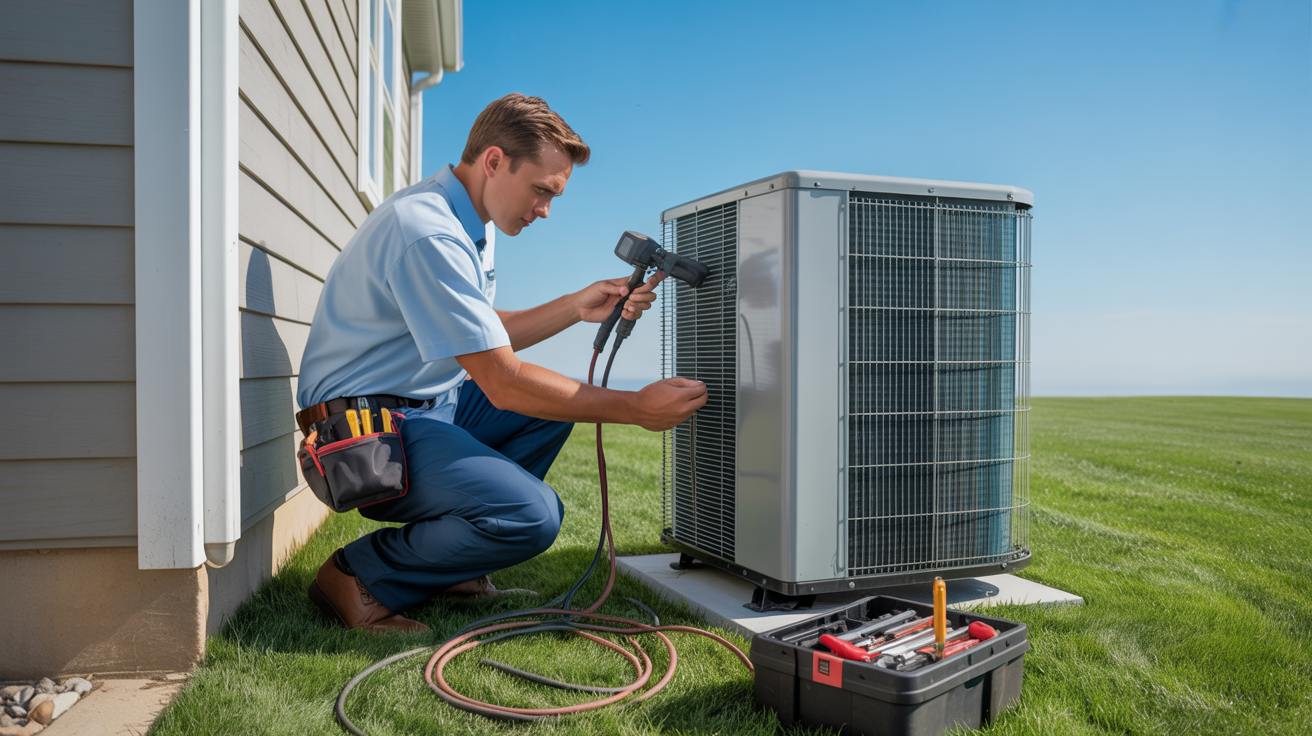
Your air conditioner’s outdoor unit (the condenser) is responsible for releasing the heat collected from inside your home. Because it sits outside, it is constantly exposed to the elements. Leaves, grass clippings, dirt, and even bird nests can accumulate around the unit, insulating it and preventing heat from escaping.
If the heat cannot dissipate, the compressor has to run longer and hotter. To prevent this, ensure there is at least a two-foot clearance around the unit. Gently spray the fins with a garden hose to remove buildup, but avoid using a pressure washer, as high-pressure water can bend the delicate metal fins and ruin the airflow.
Clear the Condensate Drain Line
As your AC cools your home, it also removes moisture from the air. This moisture turns into water (condensate) and drips into a pan, eventually flowing out through a small PVC pipe. Over time, algae and sludge can grow inside this pipe, causing a backup.
A clogged drain line can lead to water damage in your home or cause the system to shut down entirely to prevent flooding. Periodically flushing the line with a bit of distilled vinegar can help kill algae growth and keep the water flowing freely. If you notice water pooling around your indoor unit, it’s time to call for professional HVAC Repair to clear the blockage before it causes structural damage.
Use a Programmable or Smart Thermostat
Modern technology is one of the best tools for extending the life of your HVAC system. A programmable thermostat allows you to set schedules so the AC isn’t working at full blast when nobody is home.
By allowing the indoor temperature to rise slightly while you are at work and cooling it back down before you arrive, you reduce the total number of “cycles” the compressor runs each day. Fewer cycles mean less friction and wear on the moving parts. Smart thermostats take this a step further by learning your habits and optimizing the cooling process for maximum efficiency.
Inspect and Seal Your Ductwork
You could have the most efficient air conditioner in the world, but if your ducts are leaking, you are wasting money and straining your equipment. Small cracks or disconnected joints in your ductwork allow cooled air to escape into your attic or crawlspace.
When this happens, your thermostat never registers that the house has reached the target temperature, so it keeps the AC running indefinitely. Sealing leaks with foil tape or mastic sealant ensures that 100% of the air you pay to cool actually reaches your living spaces. This reduces the workload on the system and prevents it from “running itself to death.”
Give the System a Break with Ceiling Fans
Ceiling fans do not lower the temperature of a room, but they do create a wind-chill effect on your skin, making you feel several degrees cooler. By using fans in occupied rooms, you can often raise your thermostat setting by 3 or 4 degrees without losing comfort.
This small adjustment significantly reduces the load on your air conditioner. When the system doesn’t have to work as hard to maintain a “refrigerator-like” environment, the internal components like the fan motor and capacitor will last years longer than they otherwise would.
Schedule Professional Annual Maintenance
While DIY tips are great, there is no substitute for a professional eye. A certified technician can spot tiny issues like a fraying belt, a leaking refrigerant line, or a failing capacitor before they turn into a total system breakdown.
During a professional AC Maintenance visit, a technician will typically:
- Check refrigerant levels.
- Tighten electrical connections.
- Lubricate moving parts.
- Clean the evaporator and condenser coils.
- Calibrate the thermostat.
Consistent maintenance is the difference between a system that lasts 10 years and one that lasts 20.
When Maintenance Isn’t Enough: Knowing When to Repair or Replace
Even with the best care, components will eventually age. Knowing whether to opt for a repair or a full AC Installation is a common dilemma for property owners.
If your system is less than 10 years old and the repair cost is reasonable, a fix is usually the best path. However, if you find yourself constantly searching for Air Conditioning Repairevery summer, or if your energy bills are skyrocketing despite regular maintenance, it might be more cost-effective to invest in a new, high-efficiency unit.
Modern units use significantly less electricity and provide more consistent cooling. If your current system uses R-22 refrigerant (which is being phased out), repairs can become incredibly expensive, making a new installation the smarter long-term financial move.
The Importance of Prompt HVAC Repair
If you notice strange smells, grinding noises, or weak airflow, don’t wait. Ignoring a small “hiccup” in your AC’s performance is the fastest way to turn a $150 repair into a $3,000 replacement. A system struggling with a minor mechanical issue will eventually cause a chain reaction of failures. For example, a failing blower motor can cause the evaporator coil to freeze, which can then lead to liquid refrigerant “slugging” back into the compressor effectively destroying the heart of your AC.
Conclusion
Your air conditioner is one of the biggest investments in your home or business. By following these seven simple steps: changing filters, cleaning the unit, and scheduling professional check-ups you can enjoy a cool environment without the constant fear of a breakdown.
Proper care doesn’t just extend the life of the machinery; it provides peace of mind. You’ll save money on monthly utility bills, avoid the stress of emergency repairs during a heatwave, and ensure your property remains a comfortable sanctuary regardless of the weather outside.
Whether you need a quick tune-up or a complex Air Conditioning Repair, taking action today is the best way to protect your comfort for tomorrow.
