

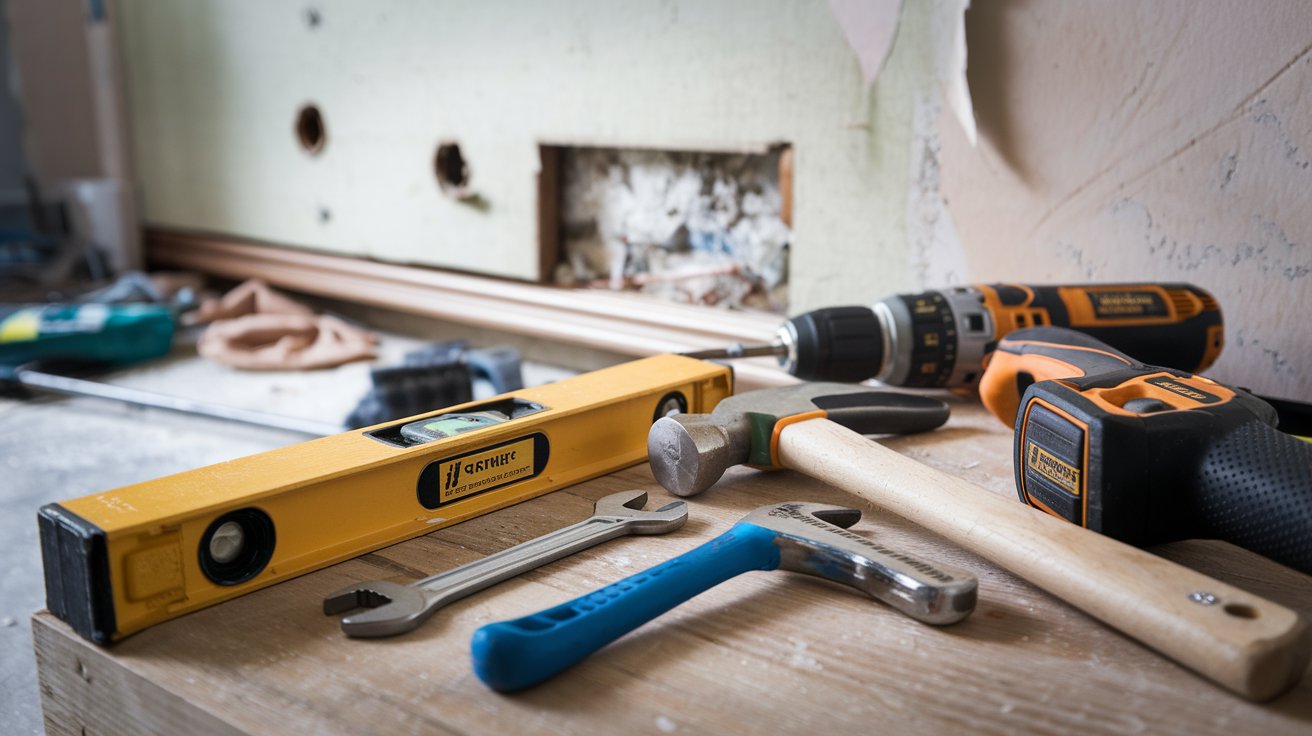
Small issues around a place can grow when people don’t give them attention early. Things stop running well when filters clog, fan blades slow down, or seals lose strength. It helps to check things often and fix small trouble before it interrupts daily comfort. Cooling units, walls, surfaces, and high-use areas all need simple checks from time to time. Clear cleaning habits, light updates, and steady routines make a big difference.
Here’s how you can stay ahead of trouble and keeping things in your household running smoothly:
Start with Simple Weekly Checks
A quick look around each section of your living area helps you stay ahead of small trouble. Look for moisture near corners, small marks on surfaces, and any strange buzzing or humming. Study switches and outlets to see if anything feels loose. Open vents and clean the dust you can reach by hand. Check flooring for small scuffs and clean them before they settle deeper. Light cleaning of door handles, light plates, and corners helps you spot early signs of wear. These small habits help you stay aware of changes so nothing slips by for too long.
When Cooling Falls Short: Common Fan Trouble
Strange noises or weak airflow often point to trouble that builds slowly inside cooling equipment. A fan motor may drag due to dirt, worn bearings, or issues with wiring. Some units struggle because of misaligned blades or blocked passages. If you’re having problems with your AC fan, local contractors can help address the issue. Expert technicians can handle slow rotation, overheating, and loose belts problems. They will test electrical parts, clean the motor, free stuck sections, and help owners understand when deeper service is needed.
Fix Small Water-Related Issues Early
Water can leave marks if small drips spread or if a seal loses grip. Watch for stains near sinks or under counters. Look at the caulking lines and refresh them when you notice breaks. Study the flow from taps to see if it slows down. Clear strainers to prevent buildup. Check under the kitchen sink and the laundry area for moisture rings. When you spot small trouble early, you stop bigger inconveniences later. Keep your cleaning supplies nearby so you can wipe, dry, and retighten parts without delay. Frequent attention helps you catch small shifts before they turn into larger interruptions.
Refresh Walls and Surfaces for a Clean Look
Marks, smudges, and uneven patches show up over time, so it helps to clean walls and surfaces often. Use gentle cleaners on painted areas and test them first. Patch tiny dents with filler and sand them lightly. A fresh coat of paint in high-touch areas can lift the whole look. Study corners for dirt buildup and scrub them with a soft sponge. Wipe door frames, handles, and trim to keep them bright. These small steps help each room stay pleasant. Clean surfaces give you a clearer view of any trouble that may develop later, making upkeep feel easier.
Replace Filters and Clean Vents Regularly
Filters collect dust faster than many people expect, so it helps to check them often. A clogged filter slows airflow and makes your cooling and heating unit work harder. Clean the vent covers before dust collects around the edges. Vacuum the inside gently and wipe loose buildup. Study the color of your filter to know when to swap it. A clean filter supports smoother airflow and better comfort. Regular cleaning also helps your unit last longer because nothing strains the motor. Simple monthly checks prevent unexpected slowdowns, especially during warm or cold periods when your unit works hardest.
Care for Kitchens and Bathroom Areas Often
Kitchens and bathrooms need steady attention because water, heat, and daily use can cause quick wear. Scrub grout lines and refresh them when the color fades. Study seals around sinks and tubs and refresh them when they lift. Wipe down handles and knobs, since they collect oils. Look around faucets for mineral buildup and clean them with mild cleaners. Keep a cloth nearby to dry surfaces after each use. These small habits help you stay ahead of trouble and keep these busy spots working well. When you act early, you avoid long delays or bigger tasks later.
Check Electrical Points Safely
Electrical checks matter because loose wiring or worn switches can create trouble. Flip each switch to see if it sticks. Look at outlet covers to make sure nothing shifts when you plug something in. Study cords for cracks near the ends. If a switch feels warm, call for help from someone trained to handle wiring. Never open panels on your own. Keep extension cords to a minimum and avoid placing them under rugs. A simple monthly check helps you stay aware of early changes. Good lighting helps you see everything clearly so you don’t miss small warning signs.
Refresh High-Use Areas to Keep Them Looking Good
Entryways, hall paths, and busy corners show wear faster than other spots. Sweep these areas often and mop them at least once a week. Clean mats and shake off dirt that settles deep in the fibers. Wipe smudges on doors and trim. Study flooring for early signs of scratching and clean the marks while they are fresh. Adding softer lighting or updated knobs can give these sections a brighter look. When you refresh these areas often, the rest of the place feels more cared for, and you notice small changes sooner.
Keep Outside Sections in Good Shape
Walk around the outside of your place and study the walls, door frames, and entry steps. Sweep leaves away from corners so they don’t trap moisture. Clean screens and brush away dust from frames. Look around the driveway for cracks so you can fill them before they spread. Trim bushes lightly so they don’t press against walls. Wipe dust off outside lights so they shine clearly at night. Simple checks help you prevent bigger trouble later. A quick walk every week helps you stay aware of shifting surfaces or loose items.
Small tasks done often make a big difference. When you watch for changes, clean surfaces, test switches, and refresh rooms as needed, everything runs with fewer interruptions. Acting early saves effort and prevents bigger problems that disrupt comfort. Keep your routines simple, stay aware of small shifts, and give each part of your living space steady care. With the right habits, your place stays in good shape through every season.
