

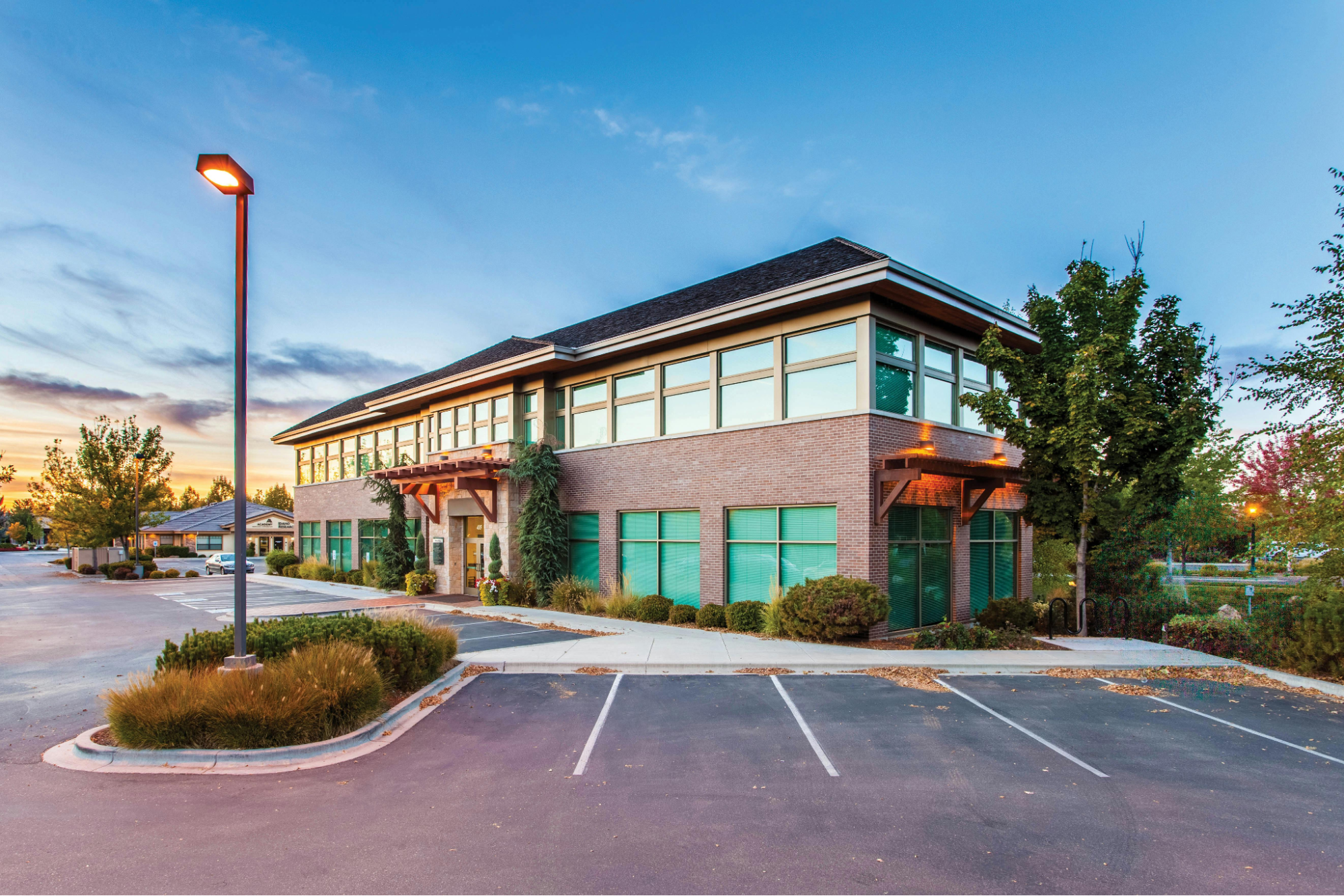
A parking lot remodel is much more than surface improvements that enhance curb appeal. It is an occasion to remedy many hidden problems, prolong the pavement life, make the area safer, and improve usability. Most property owners consider only fresh asphalt or visible striping, while performance ultimately depends on deeper planning choices.
Determine whether the investment is worthwhile on given parameterizations, such as traffic pattern, behavior of drainage, and future maintenance. Below are eight considerations to keep in mind when planning for parking lot renovation, ensuring lasting qualities, safety, and usability.
1. Monitoring Existing Structure and Subsurface Conditions
Before making any decisions on design, it is necessary to analyze existing pavement structure conditions. This includes everything from the condition of the asphalt or concrete layer, the condition of the base layers below, to signs of failure in the form of rutting or extensive cracking.
A remodel that only focuses on cosmetic enhancement ignores the fact that subsurface weakness can lead to an early deterioration of the surface. Cores and load tests can tell whether full-depth reconstruction is necessary or if repairs can be addressed by simple means.
In some instances, base stabilization or better compaction can give more service years without adding to surface thickness. With these structural facts in mind, you can use the remodel budget to transfer good value to where it can contribute to improving performance.
2. Drainage Behavior and Water Management
Water is probably one of the most destructive forces on parking lots, but it’s often an afterthought. Poor grading will promote ponding and hasten the deterioration of pavement surfaces. This can also be a hazard to both pedestrians and vehicles alike. A remodelling project is the best to get the slopes fixed or re-adjusted, catch basin placements, and fine-tuned runoff patterns.
Subsurface water behavior should be considered, too. Once saturated, the base materials lose their strength and cause premature failure. Assessing water ingress, the water movement across the site, and the water exit will help avert damages that no resurfacing can salvage.
3. Marking, Wayfinding, and Operational Clarity
It is through markings that a driver will be enabled to cope with immediate decision-making and minimize confusion. Markings consist of lines that represent parking stalls, directional arrows, loading zones, and pedestrian crossing zones. These will have to be redesigned during remodeling to reflect the prevailing traffic flow as well as the needs of the users.
An experienced line painting company will ensure that all the markings are placed accurately with durable materials against local conditions. All markings should remain supportive of the overall operational goals of the lot, such as facilitating rapid circulation or greater safety. Thoughtful wayfinding reduces the stress and enhances everyone’s daily experience in that space.
4. Traffic Flow and Real-life Patterns of Usage
Over the years, changes in tenants, delivery requirements, and user habits can influence how cars circulate through the area. Observing when peaks are most active and most of the time scenarios of congestion can tell the remodel what inefficiencies need to be resolved.
This could include increasing or decreasing aisle widths, changing entrance orientations, or separating service vehicles from customers. All of these help to lessen the conflicting points with safety in consideration, increasing the number of usable spaces. Designing around real behavior instead of assuming opens up an opportunity for the layout to perform better day in and day out.
5. Safety and Accessibility for the Public
A second element of pedestrian movement warrants similar scrutiny to that of vehicular circulation. Humans walking from parked cars across to the building tend to follow the path of least resistance rather than the designated one; a remodel should address those lines of desire and integrate walkways that feel intuitive and safe.
Accessibility compliance, apart from being the law, is an opportunity to make the parking lot easy for everybody to use, instead of simply scratching the surface of compliance. Clearly defined routes, smooth transitions, and thoughtfully placed accessible spaces all contribute positively towards making a difference for everyone. When the pedestrian issues have been holistically addressed, the entire parking lot experience is less stressful than before and is friendlier toward everyone.
6. Material Selection and Climate Suitability
If materials are chosen based solely on the price paid upfront, in the long run, higher costs can be incurred. Different types of asphalt, concrete, and base material behave under different conditions in terms of climate, traffic loads, and maintenance practices. It must consider these material considerations when remodeling for the concrete site environment for the particular project.
Flexibility and moisture resistance become of utmost importance in locations with heavy rains and temperature variations. While aesthetics are essential for high-traffic lots, surface durability and distribution weigh more. By matching materials to real conditions, the remodel ensures that it delivers long-term value, not just short-term.
7. Lighting, Clarity, and Night Performance
Lighting affects more than visual clarity and security. It is crucial for orientation, comfort for pedestrians, and accident hesitancy inhibition. A remodel presents an opportunity to reassess fixture positioning, light level, and glare control to fit with the actual use pattern of the lot after dark.
An increase in visibility helps to prevent minor collisions while also discouraging unsafe practices and increasing a sense of safety among users. Energy-efficient lights will significantly lower operating costs over their lifetimes.
8. Long-term Maintenance and Lifecycle Planning
A successful remodel isn’t one of what the lots will look like on the first day of their opening, but what they will look like after several years beyond that. Maintenance, accessibility, repair strategies, and resurfacing cycles should all be within the scope of this project from the very first stages. Part of this involves selecting some details that allow for easy and less disruptive repairs.
Lifecycle planning will also tie budget spending to expectations that are realistic. Knowing at what points sealcoating, crack repair, or resurfacing is due enables property owners to plan rather than react to failures. Good design increases the security of your investment and extends the life of a paved parking lot.
Endnote
Planning a parking lot remodel should not be limited to superficial improvement and apparent remedying. Conditions like structural, drainage behavior, traffic pattern, and long-term maintenance all affect the value this project would have brought. Addressing these conditions together offers property owners the opportunity to construct safer, stronger, and friendlier parking lots. A well-planned remodel would not just restore beauty, but would also facilitate operation and, for many years, protect the investment.
