

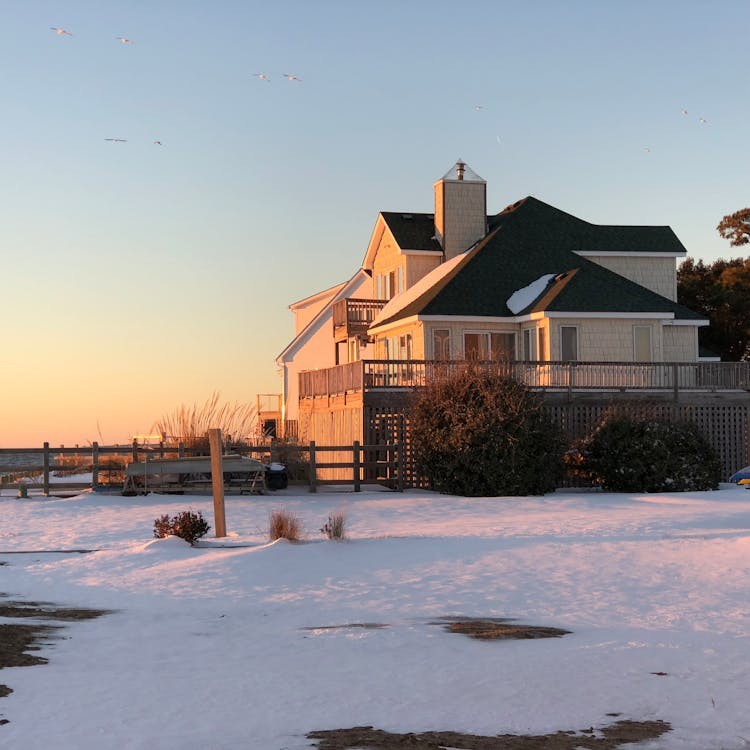
If you have a home near the coast in Crete, or wish you did, a few small but well-thought-out upgrades can reduce bills, prevent salt corrosion, and keep your place cool and comfortable without entirely depending on the A/C. Here are five practical upgrades for your coastal home in Greece.
1. Hot-Water Systems
Greece currently has one of the highest percentages of solar thermal systems in Europe. Solar thermal systems are an excellent fit for island hot water needs. A compact, light weight rooftop solar-thermal array will dramatically reduce the gas or electricity bill. You can pair it with modest PV (panels + inverter) covers, pumps, lights, and possibly an electric heater. Size the tank according to your household peak use if possible (150-300 L is enough for 2-4 people).
2. Efficient Heat Pumps Designed for Mediterranean climate
Replace old air conditioning units and electric resistive heating with new air-source or air-to-water heat pumps with high seasonal efficiency ratings. In locations like Crete with mild winters and prolonged hot summer days, air-source and water-source systems will provide high COPs and are capable of both cooling and heating hot water for domestic use with a hybrid setup. These systems use a fraction of the energy for heating.
3. Exterior Thermal Shutters and Low e-windows With Marine-Grade Fittings
Looking at a full catalogue of homes for sale in Crete, you will realize thatshutters are part of the local architecture for a reason. Closed exterior shutters will block nearly 90% of any summer solar gain. Exterior thermal shutters provide you with immediate thermal control.
Traditional exterior rolling shutters or louvered shutters can be coupled with modern low-e double glazed window units to hold out heat gains in summer and keep heat gains low at night.
Since salt quickly eats away at metal, marine grade hardware is necessary for hinges, locks and frames.
4. Passive Cooling: White (cool) Roofs, Pergolas, Insulation and Cross Ventilation
Passive strategies are cost-effective and durable. White or reflective roof coatings can reflect sunlight and reduce roof deck temperatures, helping to reduce loads inside. In instances where roof or ceiling materials are traditional stone walls, add breathable insulation to the inside or outside. This will increase the effectiveness of thermal mass and not trap moisture.
Use pergolas, retractable awnings, and plantings in the right locations to allow shade in outdoor living spaces. Orient openings and tweak them to compliment cross ventilation. Capture the sea breeze in the daytime and purge the heat out at night.
Small architectural moves like an angular vent, high windows for shade and increased clerestory strategies can lead to serious reductions in cooling hours. You can combine reflective roofs with a nocturnal ventilation strategy to make use of cool island evenings.
5. Smart Meters, Management Systems and Drought-Tolerant Landscaping
Smart metering and home automation can help shift loads to lower cost/lower carbon hours when electricity is cleaner. Greece is rolling out smart meters nationally, meaning that combining smart thermostats, time-of-use controllers for heat pumps, and plug-in energy monitors will identify opportunities to save.
On the exterior of the house, you can replace any non-native, thirsty ornamentals with native, drought-tolerant plants. Both Mediterranean species and hardy shrubs will decrease irrigation, reduce landscaping maintenance, and help keep the ground cooler around the house
Start with a single smart monitor/meter and one automated circuit. You will catch on quickly to savings, which will lead you to more automation!
Endnote
The right combination of solar, efficient thermostats, intelligent or non-intelligent controls, and simple passive shading can improve comfort and reduce expenses in a coastal home in Greece. Whether making incremental improvements or remodelling an entire home, these improvements respect the island climate, work in conjunction with traditional building practices, and are suitable for long summers, salt, and heat.
Just starting with one or two improvements will provide a noticeable reduction in operating costs and a cooler living space. With well-thought-out upgrades, your coastal home can be bright, breezy, and energy-smart for years to come.
