

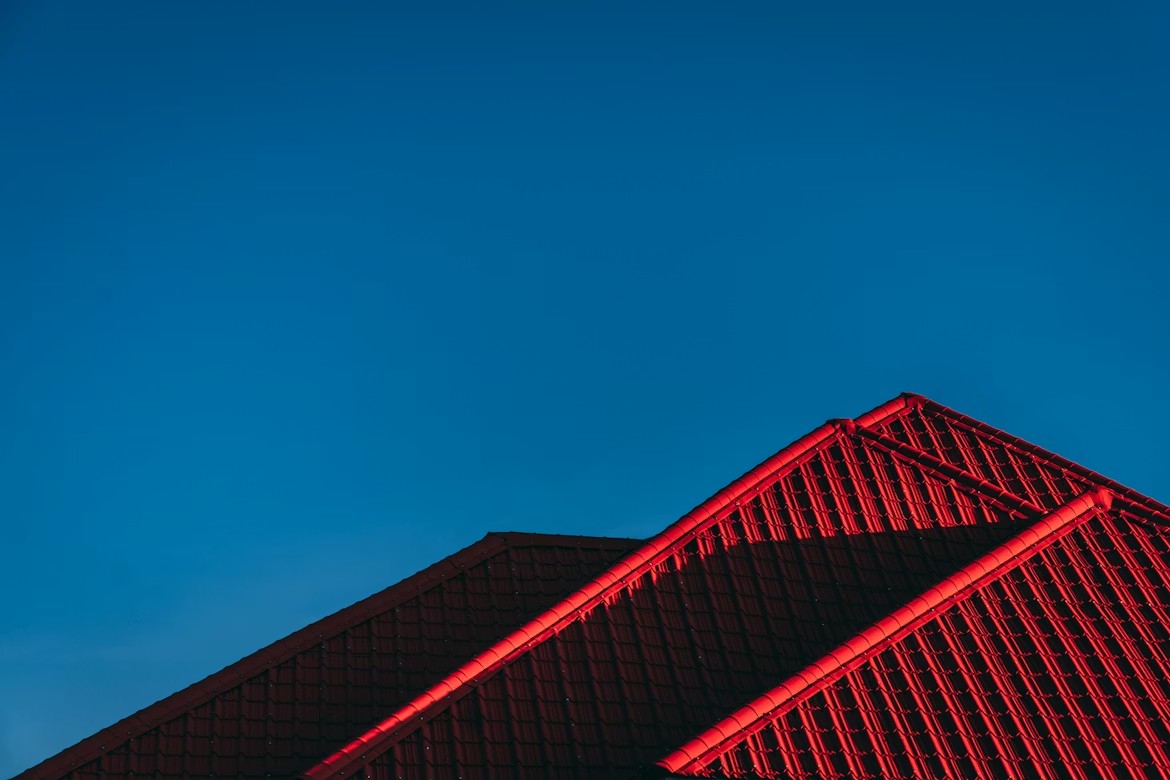
The shape of your roof is one of the most underrated design choices in a home, yet it influences everything from curb appeal to energy efficiency in ways homeowners often overlook. Many people assume the roof is simply a protective top layer, but its structure affects ventilation, temperature control, rainfall direction, and even long-term property value. When exploring design or maintenance options, homeowners often turn to experts like Roofs For Life to better understand how different roof shapes impact both function and aesthetic. Choosing the right roof shape is an investment not only in appearance but also in comfort and lasting structural performance.
The Architectural Impact of Roof Shape
Roof shape plays a significant role in shaping your home’s overall visual character. From elegant gable roofs to modern flat styles, the profile of your roof can dramatically shift how large, balanced, or contemporary your home appears. A well-chosen roof shape does more than match the architectural style; it subtly influences symmetry, exterior flow, and even how light interacts with the facade. Homeowners often underestimate this impact until they see how a mismatched or outdated roof design makes the entire home feel less cohesive.
Beyond appearance, the structure of your roof influences how your home handles local environmental conditions. Homes in rainy or snowy regions often rely on steeper pitches to prevent water buildup. In contrast, homes in warm climates often adopt flatter profiles to reduce direct sunlight and simplify cooling strategies. The architectural purpose of a roof shape is far more technical than many expect, blending both beauty and engineering to create a roof that performs well year after year.
How Roof Shape Contributes to Indoor Comfort
Comfort inside your home is closely linked to how effectively your roof regulates heat, airflow, and moisture. Specific roof shapes naturally create more attic space, which can buffer temperature changes and improve insulation effectiveness. A higher pitch often means more room for ventilation systems that allow heat to escape during warmer months, making the interior noticeably cooler without requiring excessive air conditioning. These subtle design elements can contribute to a more stable, enjoyable indoor climate year-round.
Roof shape also influences how evenly sunlight hits your home, thereby affecting the interior temperature distribution. A roof designed with directional slopes can help reduce hot spots in rooms exposed to intense afternoon sun, while flatter shapes may require more insulation to maintain a comfortable environment. When homeowners consider replacing or redesigning their roof, they often discover that adjusting the shape can significantly improve how the home feels daily, especially in extreme seasonal climates.
Durability and Long-Term Property Value
One of the strongest arguments for choosing the right roof shape is the long-term value it adds to your home. Different shapes handle environmental stress in their own ways, and selecting the appropriate design can reduce maintenance costs over time. Steeper roofs naturally shed water and debris more efficiently, lowering the risk of moisture damage or rot. Meanwhile, low-slope and flat roofs offer easier access for inspections and repairs, which can extend their lifespan when properly maintained. Many homeowners find that the initial design choice ultimately determines how often they need repairs in the future.
Property value is also influenced by how structurally sound and visually appealing your roof remains over the years. Real estate professionals often emphasize that a strong and visually consistent roof is a significant selling point, as buyers want reassurance that the home has been well cared for. A thoughtfully selected roof shape supports this confidence, enhancing resale potential and lowering long-term risk. When homeowners collaborate with experienced professionals, they discover that roof shape is not just an aesthetic choice but a practical investment that pays off in stability and financial return.
Roof Shape and Modern Home Design Trends
As residential architecture evolves, roof shapes have become an important part of creating contemporary and energy-conscious homes. Modern designs often blend traditional elements, such as pitched roofs, with sleek lines and mixed angles to create homes that feel fresh and intentional. The roof’s shape helps set the tone for the entire design, whether aiming for rustic charm, minimalist elegance, or bold geometric style. Homeowners looking to refresh the exterior of an older home frequently find that adjusting or redesigning the roof shape can instantly modernize the entire structure.
Energy efficiency is also driving new approaches to roof design. Specific shapes allow for better placement of solar panels, while others improve airflow and reduce indoor cooling demands. As sustainable living becomes more mainstream, the roof shape has become a central feature in environmentally minded architectural planning. These design shifts show how essential roof structure is to the long-term performance and efficiency of the modern home.
Conclusion
Your roof shape is more than a stylistic decision; it is a foundational element that affects the look, comfort, and long-term resilience of your home. From enhancing curb appeal to improving temperature regulation and supporting structural durability, the profile of your roof influences your home in ways that are easy to overlook but impossible to ignore. By understanding the impact of roof shape and making thoughtful design choices, homeowners can enjoy a more beautiful, efficient, and valuable living space for years to come.
