

Siding takes a beating. Rain, heat, freezing temperatures, and years of sun exposure add up, and by the time most homeowners notice a problem, the damage behind the panels has usually been building for a while. A siding replacement done right stops that cycle. One done poorly just restarts it.
What Is Fiber Cement Siding?
Fiber cement is a manufactured material built from cement, sand, and cellulose fibers. It was designed to solve the problems that come with wood and vinyl over time. Wood rots, vinyl fades and cracks under impact, and both require more upkeep than most homeowners want to deal with. Fiber cement holds its shape, sheds moisture, and doesn’t give termites anything to work with.
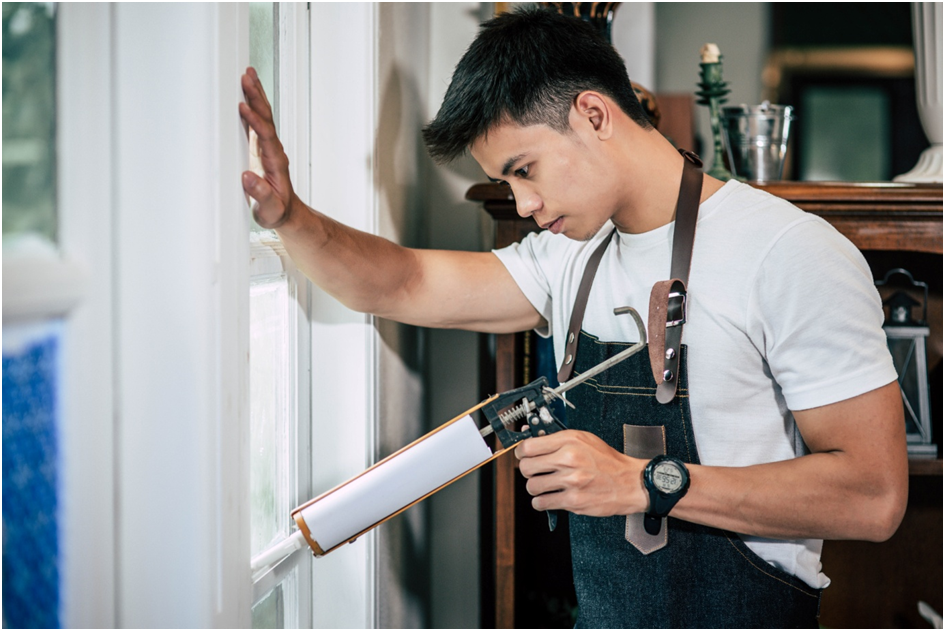
It’s heavier than vinyl and more demanding to install than wood. The cutting process requires proper safety equipment because of the silica dust it produces, and the fastening, caulking, and flashing details have to be right. That’s not a knock on the material. It just means the installation matters more than it does with other products.
How Long Does It Last?
Fiber cement siding typically lasts between 25 and 50 years. Vinyl generally runs 20 to 40 years before it starts to show its age, and wood siding without consistent upkeep often needs serious attention well before the 20-year mark. For homeowners who want to make one decision and not revisit it for decades, fiber cement makes a strong case.
Why Hire a Professional Siding Contractor?
Most siding failures aren’t material failures. They’re installation failures. Gaps in caulking, flashing that wasn’t set correctly around windows or doors, fasteners driven at the wrong angle, any of these can let water get behind the panels, and once that happens, the damage compounds quietly inside the wall until it becomes a much bigger problem.
An experienced professional siding contractor knows where these failures tend to happen and how to prevent them. They also work within local building codes, which vary more than people expect and affect how siding should be handled around eaves, corners, and wall penetrations. Skipping that knowledge to save money upfront usually costs more later.
What Kind of Return Can You Expect?
Fiber cement siding replacement consistently ranks among the better home improvement investments. According to Remodeling Magazine’s Cost vs. Value data, homeowners typically recoup between 70 and 80 percent of project costs at resale. There’s also an energy efficiency angle that doesn’t show up in appraisals but does show up in utility bills. Updated siding improves a home’s insulation performance in ways that older, compromised panels simply can’t.
Choosing a Color and Finish
Fiber cement comes either pre-primed for field painting or pre-finished from the factory. Factory finishes tend to hold up longer because the paint is applied and cured under controlled conditions. Field painting gives more color options but requires quality exterior paint and proper prep to perform well over time. When evaluating exterior upgrades, many homeowners also compare fiber cement withother popular house siding materialsto determine which option best fits their climate, maintenance expectations, and overall home design.
When it comes to color selection, start with what’s already fixed on the home, like the roof, any brick or stonework, and the trim. Work outward from those anchors rather than picking a color in isolation. Neutral tones age better and tend to appeal to a broader range of buyers if resale is somewhere in the picture.
Frequently Asked Questions
How long does fiber cement siding last compared to vinyl or wood?
Fiber cement runs 25 to 50 years with proper care. Vinyl averages 20 to 40 years, and wood often
Why does professional installation matter so much for fiber cement?
Because the material is unforgiving when installed incorrectly. Flashing, fastening, and sealing details that get overlooked are where water finds its way in, and water behind siding causes structural damage that costs far more than the original project.
Conclusion
Good siding does its job quietly for decades. Bad siding announces itself through bubbling paint, soft spots in the wall, and moisture problems that keep spreading. The material is one part of the equation, and fiber cement siding installation done by a qualified professional siding contractor is what determines which outcome you get. For homeowners still evaluating materials, reviewing thedifferent siding options available todaycan help clarify which solution best fits the home’s durability and maintenance needs.
Ready to protect your home with professional siding installation? High Performance Homes offers free estimates for homeownersin Vancouver, WA, and the surrounding area.
