

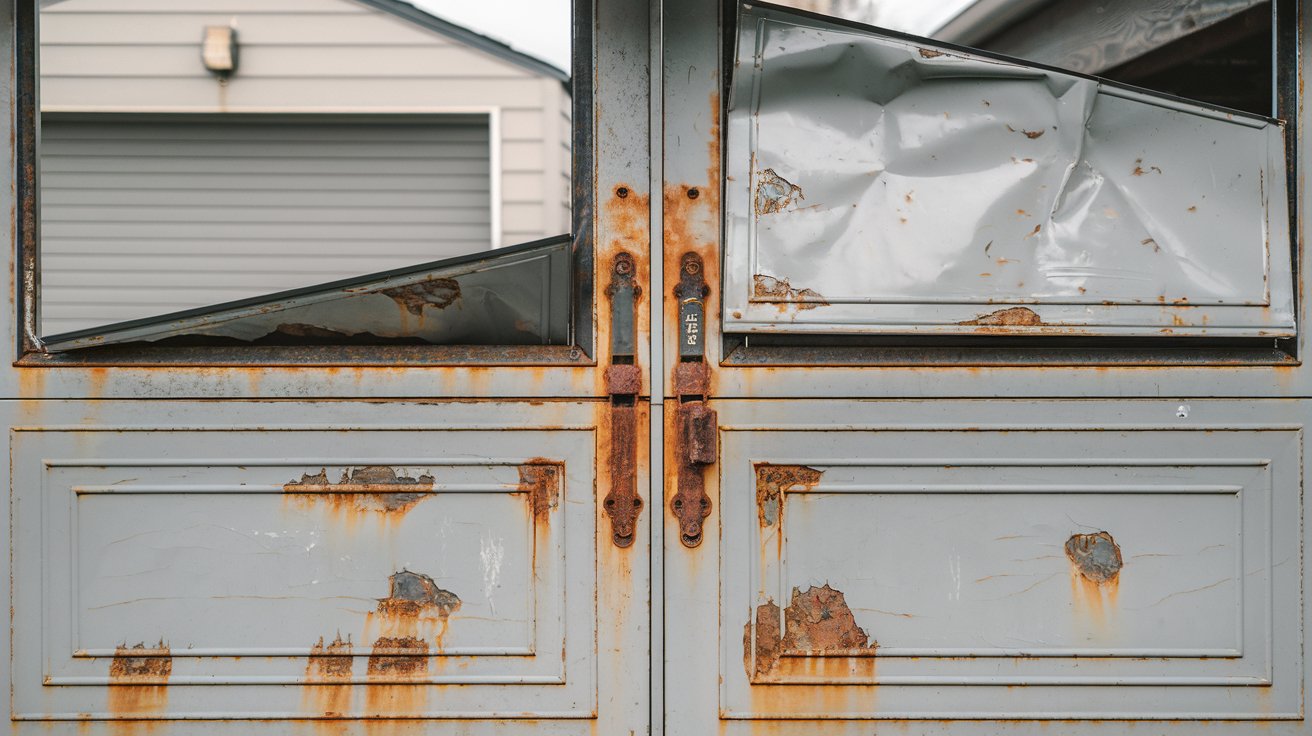
Your garage door is one of the most important moving parts in your home. It protects your vehicles, secures your property, and provides daily convenience. But because it’s used so often, wear and tear is inevitable. What starts as a small issue can quickly turn into a major repair if left unaddressed. That’s why recognizing early warning signs is essential.
If you want to avoid expensive fixes and keep your garage door working smoothly, here are the top signs you may need Overhead Door Repair before the problem gets worse.
1. Your Garage Door Makes New or Loud Noises
A garage door will always make some noise, but grinding, squeaking, scraping, or banging sounds are not normal. These noises usually indicate a mechanical issue such as:
- Worn-out rollers
- Loose hardware
- Damaged hinges
- Misaligned tracks
Ignoring unusual noises may lead to broken parts or even a complete door failure. If your garage door suddenly gets louder or sounds different, it’s time to have it checked.
2. The Door Opens or Closes More Slowly Than Before
If your garage door used to move smoothly but now drags or moves at a slower pace, that’s a clear sign something is off. Sluggish movement can be caused by:
- Motor problems
- Worn-out springs
- Rusted rollers
- Track obstructions
A slow-moving door is often the first sign of strain. Getting Overhead Door Repair early can prevent damage from spreading to the opener or other components.
3. The Door Feels Heavy or Hard to Lift Manually
Even with an electric opener, your garage door should feel fairly light if disconnected and lifted by hand. If it feels heavy, the problem is usually with the springs.
Broken or weakened springs create dangerous tension issues. When springs fail completely, the door may drop suddenly or become impossible to open. This is one repair you should never delay, as springs under pressure can be hazardous.
4. The Door Shakes or Moves Unevenly
A garage door should glide smoothly along the tracks. If it shakes, jerks, or shifts to one side, something is misaligned.
Common causes include:
- Bent or warped tracks
- Damaged rollers
- Loose mounting brackets
A misaligned door puts stress on the entire system and could eventually fall off the tracks. Getting professional adjustments can prevent serious structural damage.
5. The Garage Door Won’t Close All the Way
If your door stops short of closing or reverses after starting to shut, it may be due to:
- Dirty or blocked sensors
- Sensor misalignment
- Opener settings malfunction
- Track obstructions
Safety sensors are designed to prevent accidents, but when they malfunction, the door becomes unreliable. Inspecting and recalibrating them is an important part of Overhead Door Repair.
6. You Notice Sagging Sections or Gaps
Over time, parts of your garage door may sag or create small gaps, especially in older wooden doors. Sagging often means the door has structural damage or that the tension system is uneven.
This can create:
- Poor insulation
- Security risks
- Increased wear on the opener
Ignoring sagging can lead to more serious problems that require costly replacement.
7. The Remote or Wall Switch Works Inconsistently
If your door responds only sometimes, or not at all, the issue may be electrical. Common causes include:
- Wiring problems
- Dead remote batteries
- Faulty circuit boards
- Opener malfunction
Before assuming the opener has failed, a technician can check the wiring, sensors, and controls to determine the source of the issue.
8. Visible Damage to the Tracks or Door Panels
Bent tracks, cracked panels, rust, or dents should never be ignored. Even minor damage can affect your door’s stability and operation.
Some potential risks include:
- The door getting stuck
- Increased strain on the opener
- Uneven movement
- Safety hazards during operation
Early Overhead Door Repair can reinforce or straighten minor damage before a replacement becomes necessary.
9. Your Energy Bills Have Increased
A poorly sealed or damaged garage door can let cold air in during winter and hot air in during summer. This affects your home’s insulation and may cause your energy bills to rise.
If the door no longer sits flush with the ground or has visible gaps, weatherstripping or seal repairs may be needed. Fixing these small issues can make a noticeable difference in energy efficiency.
10. The Door Hasn’t Been Serviced in Over a Year
Even if your garage door seems to be working fine, annual maintenance is essential. Regular inspections catch early issues like:
- Loose hardware
- Worn cables
- Dry moving parts
- Declining spring tension
Routine servicing extends the lifespan of your garage door and reduces unexpected breakdowns. Most professionals recommend a yearly tune-up to avoid costly repairs later.
Why Early Repair Matters
Delaying garage door repairs can lead to:
- More expensive problems
- Complete door failure
- Damage to vehicles or property
- Safety hazards for family members
- Inconvenience during daily use
A garage door is heavy and under constant tension, so small issues can quickly turn into major ones. Taking action early keeps your system running smoothly and safely.
Final Thoughts
Your garage door works hard every day, and like any mechanical system, it needs proper care. Paying attention to early warning signs, noise changes, slow movement, sagging, or inconsistent operation, can save you time, money, and frustration. If you notice any of these issues, scheduling Overhead Door Repair sooner rather than later is the best way to prevent bigger problems down the road.
A well-maintained overhead door keeps your home secure, your family safe, and your daily routine running smoothly.
