


I know how frustrating it can be when you’re ready to replace a door and suddenly realize you don’t know the standard door width. I’ve been there myself.
In this guide, I’ll walk you through everything you need to know about door sizes. You’ll learn about common widths for different rooms, height standards, and thickness measurements.
I’ll also show you how to measure correctly and when to choose custom sizes. Trust me, understanding these basics will save you time, money, and headaches.
By the end, you’ll feel confident picking the right door for any space in your home. Let’s get started.
Standard Door Dimensions at a Glance
Quick reference for door sizes that most homes use in construction and renovation projects.
Most homes use doors that follow industry standards.
For width, you’ll typically see 24, 28, 30, 32, and 36 inches. The most popular choice is 30 or 32 inches for rooms inside your home.
For height, the standard is 80 inches. That’s 6 feet and 8 inches tall. Some homes go taller with 84-inch or 96-inch doors. Custom heights are available too.
Thickness varies by location. Interior doors measure 1 3/8 inches thick. Exterior doors are thicker at 1 3/4 inches. This extra thickness helps with security and insulation.
These measurements work for most situations. Knowing them helps when you shop for replacements.
Standard Door Width for Different Door Types
Different rooms and entryways need specific widths based on their function and traffic patterns.
Interior Doors

Bedrooms and bathrooms typically use doors between 28 and 32 inches wide. The 30-inch width is most common. It gives you enough space to move furniture in and out.
Closets and utility rooms often have narrower doors. These range from 24 to 30 inches. A 24-inch door works fine for a coat closet. A 28-inch door suits a pantry or linen closet.
Exterior Doors
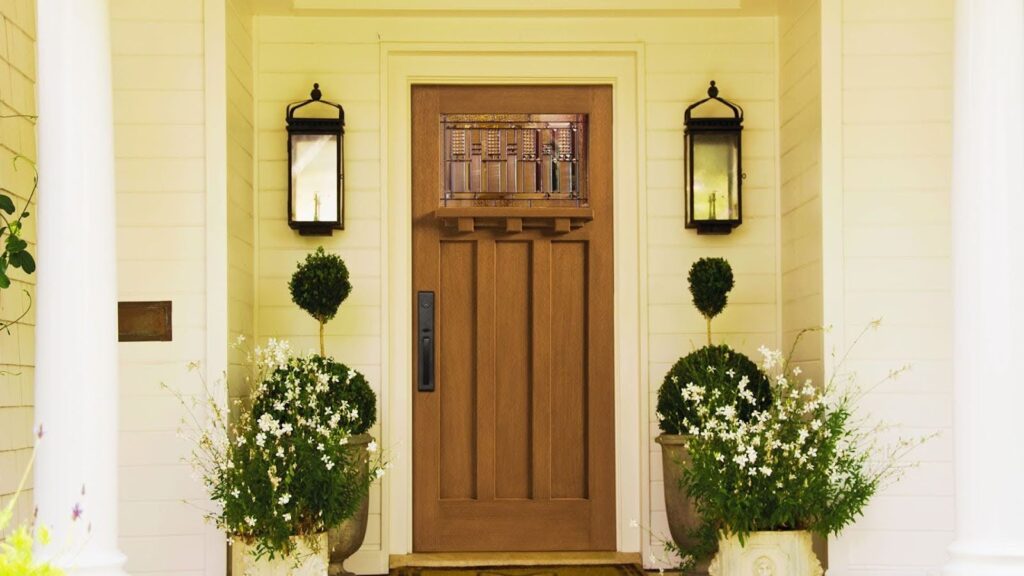
Your front entry door is usually 36 inches wide. This creates a welcoming entrance. It also makes moving large items easier.
Side and rear entry doors measure between 32 and 36 inches. Many homeowners choose 32 inches for back doors. The 36-inch option provides more space.
Specialty Doors
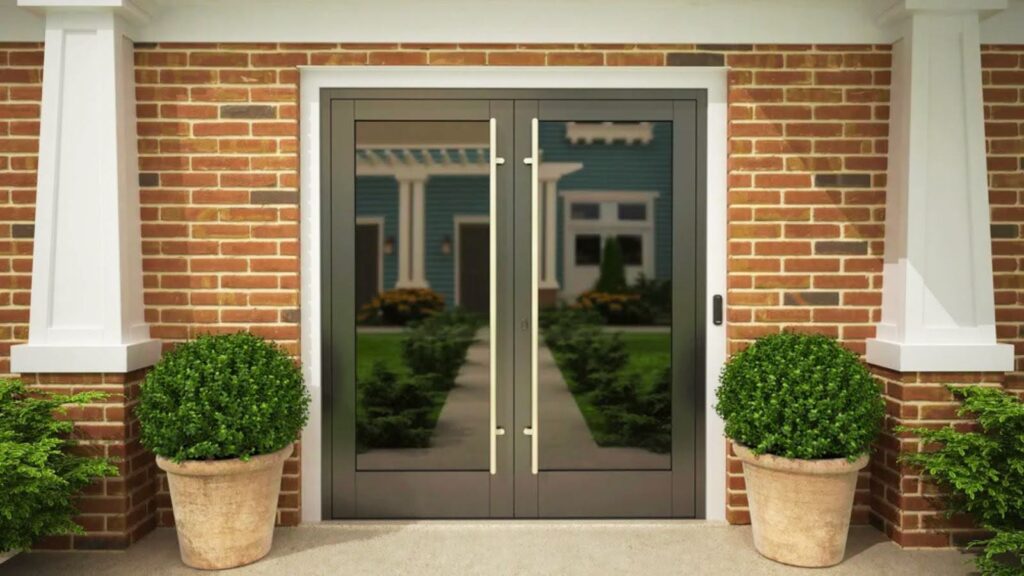
French doors come as pairs. Each door is typically 30 inches wide. Together, they create a 60-inch opening.
Sliding and pocket doors save space. They come in various widths to match standard openings.
Double entry doors make a grand statement. Each door is usually 36 inches wide. This gives you a 72-inch total opening.
Commercial Door Standards

Business buildings follow stricter codes for safety, accessibility, and heavy traffic requirements.Commercial spaces use wider doors than homes.
The standard widths are 36 and 42 inches. High-traffic areas typically use 42-inch doors to handle crowds better.Most commercial doors are 80 inches tall.
Businesses often choose 84-inch or 96-inch doors for lobbies and large spaces.Fire-rated doors are thicker than regular doors.
They must meet specific width requirements for safe exits. Building codes determine exact sizes based on how many people use the space.
ADA Guidelines for Door Sizing
Accessibility standards ensure everyone can move through spaces safely and independently.
- The ADA requires at least 32 inches of clear width when the door is open at 90 degrees
- The actual door might be 34 or 36 inches wide, but the frame and door stop reduce the clear opening
- Doors must be at least 80 inches tall, though taller doors work fine too
- Door swing direction should allow wheelchair users room to maneuver in tight spaces
- Handles should be easy to reach and operate with lever handles preferred over round knobs
- Lever handles require less grip strength and work better for people with limited hand mobility
How to Measure Door Dimensions Accurately
Proper measurements prevent costly mistakes and ensure your new door fits perfectly the first time.
Measure the door slab from edge to edge. Then measure frame to frame at the top, middle, and bottom. Use the smallest measurement.
Measure height from floor to the top of the frame. Check both sides. Measure the door edge for thickness. Avoid measuring over trim.
Measure the opening in the wall before the frame goes in. Add about 2 inches to your door size for installation space.
Factors That Influence Door Size Choices
Your specific needs and home layout should guide your door size decisions beyond standard measurements.
Home Layout and Traffic Flow
Wider doors work better in busy areas. A 36-inch door helps when you’re carrying groceries or laundry.
Narrow hallways might limit your options. Measure carefully before choosing wider doors.Think about how you use each space.
Accessibility Needs
Planning for wheelchair access requires 32 inches of clear width minimum. Many people choose 36-inch doors.
This provides a comfortable passage. It also helps if you use a walker or crutches. Future needs matter too. A wider door now saves money later.
Architectural Style
Modern homes often feature taller, wider doors. This creates an open feeling. Traditional homes might use standard sizes.
Matching existing doors keeps your home looking cohesive.Your home’s style guides these choices. What fits in one house might look odd in another.
Choosing the Right Door Size for Your Space
Smart door selection balances budget, function, and design to create spaces that work well.
Standard doors cost less and are easier to find in stores. Installation is simpler because contractors know these sizes well. Stock doors ship faster too.
Using standard sizes creates consistency throughout your home.Custom doors work best for unusual openings or specific design preferences.
Maybe your home is older or you want 8-foot-tall doors throughout. Custom sizes solve problems that standard doors can’t. Yes, they cost more, but they bring your vision to life.
Conclusion
I remember standing in my hallway, frustrated with a door that didn’t fit right. Learning about standard door width changed everything for me.
Now you know the common sizes, how to measure correctly, and when to go custom. These basics will help you make smart choices. Take your time measuring.
Consider how you use each space. And don’t hesitate to ask for help at your local hardware store.
Have questions about your specific project? Drop a comment below. I’d love to hear about your door installation plans.
Frequently Asked Questions
What is the most common door width for homes?
The most common door width is 30 to 32 inches for interior rooms. Exterior doors are typically 36 inches wide.
Do all doors come in standard sizes?
Most doors come in standard sizes, but custom options are available. Standard sizes are more affordable and easier to find.
How wide does a door need to be for wheelchair access?
A door needs at least 32 inches of clear opening width for wheelchair access. Many people install 36-inch doors for better clearance.
Can I replace a door without changing the frame?
Yes, you can replace just the door slab if your frame is in good condition. Make sure to measure the existing opening accurately.
What’s the difference between door width and rough opening?
Door width is the actual size of the door. The rough opening is about 2 inches larger to allow space for the frame and adjustments.
