

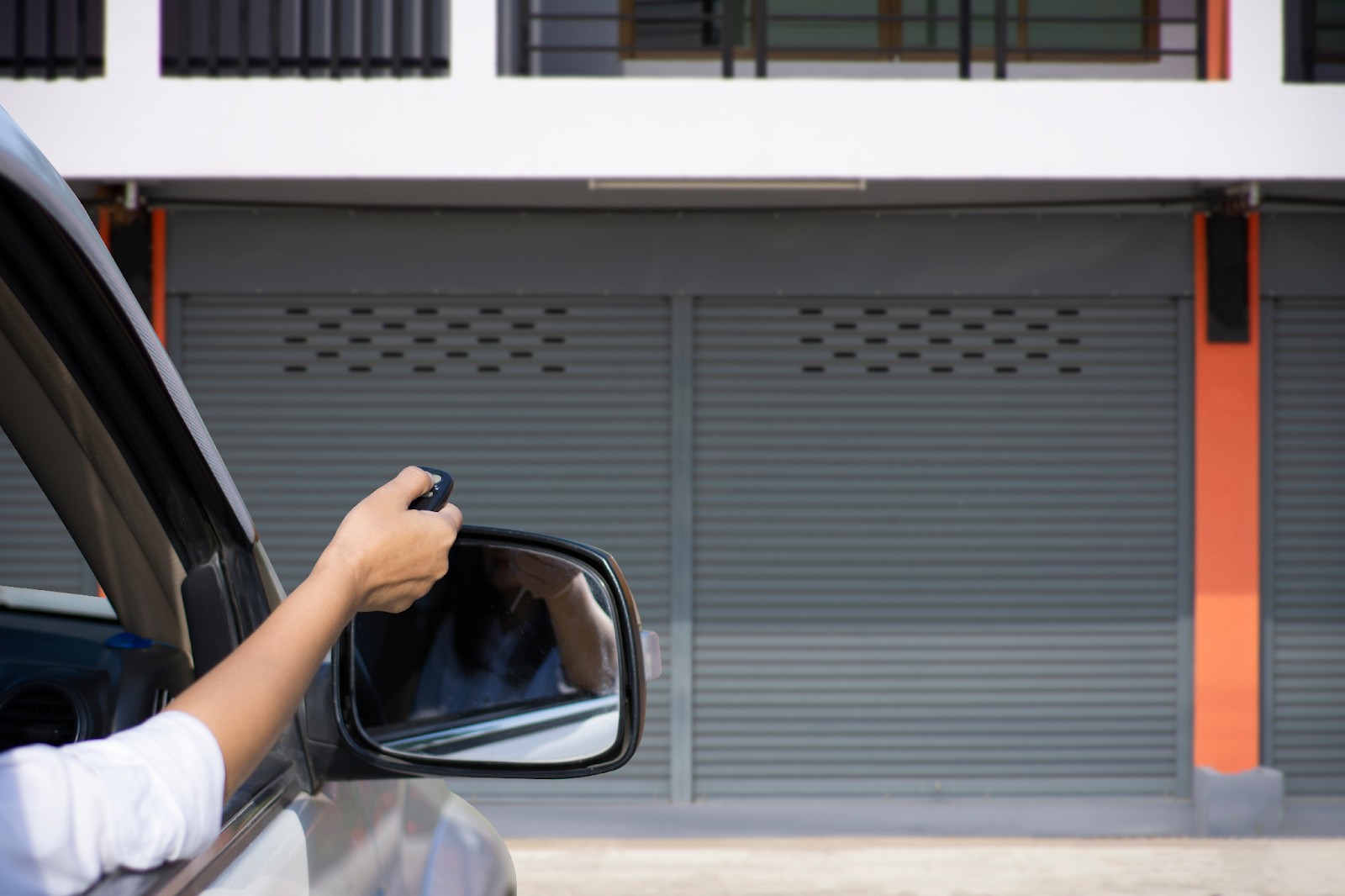
Commercial garage doors take on daily strain, and even small problems can disrupt workflow. When a rolling steel door, overhead door, or opener starts acting differently, it often means a part is wearing out. Catching these signs early prevents breakdowns and costly downtime.
Sign 1: Your Commercial Garage Door Struggles to Open or Close
When a door slows down or pauses mid-cycle, something inside the lifting system is no longer working at full strength. The motor may be pushing harder than it should, or the moving parts may be creating extra resistance.
A door that drags or stops halfway puts stress on the opener and tracks. If the issue appears more than once, scheduling a commercial roller door service is the safest option.
Sign 2: Loud Grinding, Screeching, or Banging Noises
Unexpected noises often point to friction or loose hardware. Many early problems begin this way.
What these noises often point to
Grinding and screeching usually come from worn rollers, dry hinges, or parts scraping together. When the door has missed routine maintenance, metal pieces lose lubrication and begin rubbing. Banging noises can come from loose bolts or brackets that shift during movement.
For many businesses, these noises show up before the door begins to fail completely. That is often when building managers start looking for help from an expert commercial roller door service to prevent the problem from turning into a major repair.
Addressing the cause early stops the noise and keeps other components from wearing out.
Sign 3: The Door Shakes or Moves Unevenly During Travel
This issue appears while the door is moving, not when it is fully closed.
Shaking or uneven travel can come from stretched cables, worn bearings, or tracks that need adjustment. The door may sway slightly from side to side or pull toward one track. These changes affect balance and can lead to binding if ignored.
A technician can correct the balance, check the cables, and realign the tracks to prevent further stress on the system.
Sign 4: Visible Damage to Panels, Tracks, or Steel Door Sections
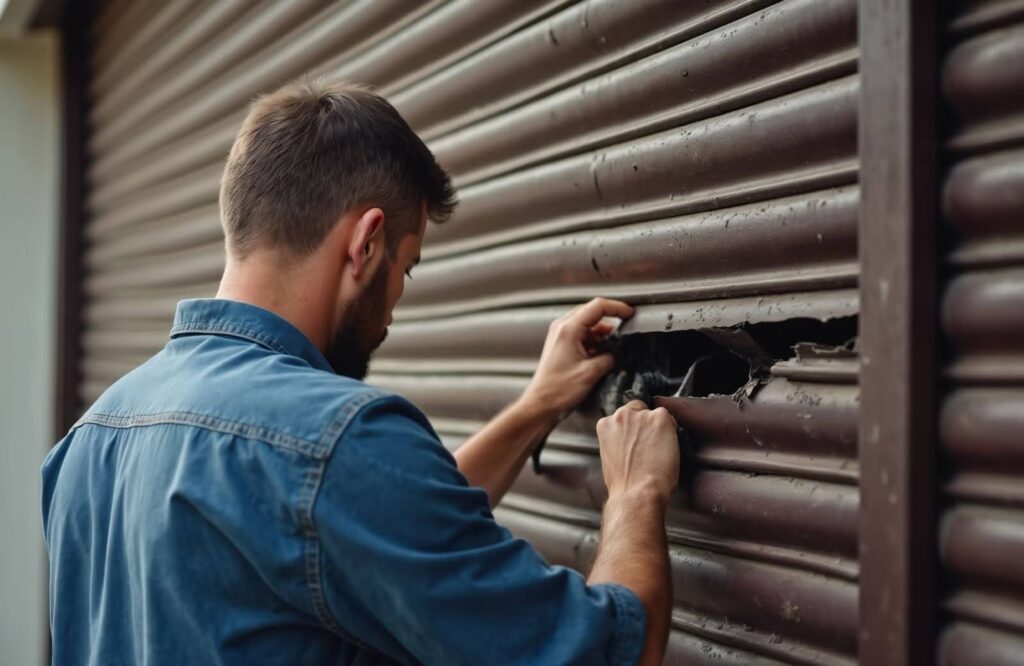
Some problems show up on the door’s surface or frame.
Common trouble areas
- Bent garage door panels
- Dented rolling steel door slats
- Tracks that sit uneven or tilt inward or outward
Panel damage can interrupt movement, and track shifts can cause the door to rub or jam. Fixing these issues early keeps the door moving smoothly and prevents tension from building in the opener.
After repairs, the door usually returns to a more controlled and steady travel path.
Sign 5: Springs Look Stretched, Rusted, or Out of Shape
Springs support most of the door’s weight. When they weaken, the door often feels heavier, drops faster, or becomes harder for the opener to lift.
Rust, gaps between coils, or springs that no longer sit straight all point to tension loss. Spring Repair should be handled quickly because weakened springs are more likely to break. When they snap, they can damage nearby parts and create serious safety risks.
Sign 6: Weather Seals Are Cracked or Missing
Weather seals help block rain, dust, pests, and outdoor air. When the seals dry out or tear, the gaps become easy to spot.
Broken seals cause leaks, drafts, and temperature swings inside the building. Replacing them restores insulation and keeps the workspace clean and protected.
Sign 7: Your Fire Door Fails a Fire Door Drop Test
A failed drop test signals a safety problem that needs quick attention.
Why a failed test is a warning sign
Fire Door Drop Tests confirm that the rolling steel fire door can close properly during emergencies. If the door closes too slowly, too quickly, or remains stuck, it cannot protect the building. This affects safety and building compliance.
A technician can adjust the parts, replace worn sections, and prepare the system for a successful retest.
Sign 8: The Electric Garage Door Opener Responds Slowly or Behaves Unpredictably
This issue focuses on the opener itself, not the weight or movement of the door.
When the opener hesitates, ignores commands, or stops without warning, the problem may involve sensors, wiring, or the motor. The door may move fine manually, but the opener struggles to keep up.
A service visit can confirm whether the motor needs repair, the sensors need alignment, or the wiring needs correction.
Sign 9: You’ve Needed Emergency Garage Door Repair More Than Once
Frequent emergency calls usually point to lingering problems that have not been corrected.
When breakdowns become common, it means the door has underlying wear that keeps building. A Planned Maintenance program is often the better solution because it prevents new issues from forming and reduces the number of surprise repairs.
Regular checks also help extend the life of both the door and the opener.
Sign 10: Rust, Corrosion, or Moisture Around Key Parts
Moisture weakens metal parts and affects how the door moves. Once rust forms, it can spread and cause more damage.
Where corrosion often appears
- Hinges
- Lower tracks
- Steel Door surfaces
- Springs
Rust can slow the door, weaken its structure, and place extra strain on the opener. Removing corrosion early keeps the system strong and helps prevent further damage.
After treatment, the door usually returns to a smoother and more controlled movement pattern.
Sign 11: The Door Doesn’t Seal Tight When Closed
This issue focuses on the final closed position, not movement during travel.
If the door settles at an angle or leaves side or bottom gaps, the building becomes vulnerable to pests, leaks, and temperature changes. Misalignment, worn rollers, or loose cables are common causes.
Once the alignment is corrected or the worn part is replaced, the door usually returns to a tight and even closure, keeping everything stored in the garage safe.
Sign 12: Your Overhead Doors Haven’t Been Serviced in Over a Year
Even if the door looks fine, small issues can still build up. Bearings loosen, tracks shift slightly, and hardware begins to wear.
A yearly commercial roller door service helps detect these small changes before they cause bigger repairs. This maintenance improves safety and keeps overhead doors, commercial garage doors, and rolling steel doors working longer.
Choosing a Commercial Roller Door Service Provider
Working with the right team helps keep the door dependable and safe.
Qualities to look for
- Experience with rolling steel door systems
- Support for opener repairs and wiring fixes
- Ability to perform Fire Door Drop Tests and cable repair
- Knowledge of weather seals and steel door components
A skilled provider can diagnose problems quickly, complete repairs safely, and offer maintenance plans that fit the needs of commercial buildings.
Why choosing the right team matters
A reliable service crew reduces downtime, extends the life of your equipment, and helps prevent repeat issues. Consistent care also keeps the door running smoothly during daily operations, which makes a noticeable difference in fast-paced work environments.
Conclusion
Commercial garage doors give off clear warnings when something is wrong. Changes in movement, sound, or alignment signal that service is needed soon. Fixing these issues early protects the door, reduces downtime, and keeps the workplace safe.
