

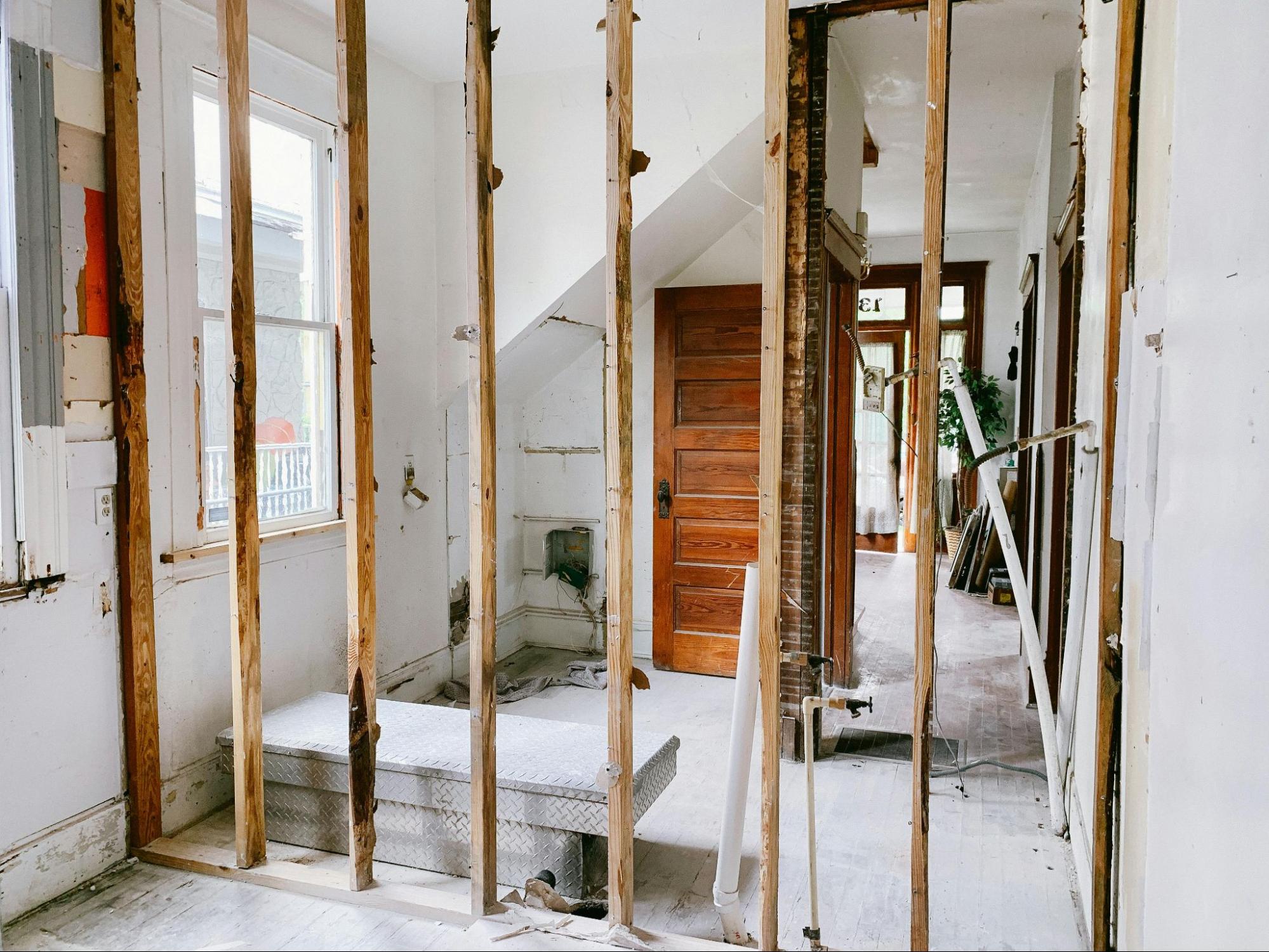
Let’s be honest. Renovations are messy. They are also exciting and transformative. You envision the final beautiful result. Then you look at your living room. You see your sofa, your bookshelves, your favorite rug. A layer of fine dust already seems to coat everything. Your dream project can become a nightmare for your belongings. Protecting your furniture is not glamorous. It is absolutely essential. A little planning prevents a lot of heartache. This guide will help you navigate the chaos. Your furniture will survive to see your beautiful new space.
The Pre-Renovation Sorting Game
Start with a ruthless edit. Do not move things you do not love. A renovation is the perfect excuse for a purge. Sort every item into three categories: keep, donate, and discard. This reduces the volume of stuff you must protect. Be honest with yourself. That wobbly side table might not deserve a spot in your new dream home. Fewer items mean less stress. It also means less physical labor later. View this step as a cleansing ritual. It makes space for the new, both in your home and in your mind. Your future self will thank you.
The Power of Professional Storage Facilities
Some items need to disappear completely. Think of your large furniture pieces. Your renovation might involve sanding floors or removing walls. Moving heavy items from room to room is a hassle. It risks damage to your floors and your back. Off-site storage is a brilliant solution. Renting a small unit at secure storage facilities provides total peace of mind. Your furniture stays completely away from the action. It is safe from dust, paint splatters, and accidental bumps from ladders. This option is especially crucial for shorter, intensive projects. It clears the workspace for your contractors. A clutter-free site helps them work faster and safer. The cost is often worth the sanity it preserves.
The Art of the In-Home Fortress
You will keep some items on-site. Protection is your new mission. Invest in high-quality, heavyweight plastic sheeting. Do not use thin painter’s drop cloths. They tear easily. Use thick sheeting and seal it with strong tape. Create airtight enclosures around furniture islands. Seal every seam. Dust is a relentless infiltrator. For upholstered items, add a layer of cloth moving pads under the plastic. This prevents moisture buildup. It also cushions against any accidental impacts. Treat this step like building a fortress. Your enemy is an invisible cloud of particles. A proper seal is your only defense.
The Right Way to Move and Stack
Empty every drawer, shelf, and cabinet. Contents should be packed in labeled boxes. The furniture itself becomes much lighter. This makes it easier to move. It also prevents damage from shifting objects inside. When stacking items, always put the heaviest, sturdiest pieces on the bottom. Place a soft moving blanket between each piece. Never place furniture directly on a freshly finished floor. Use felt pads or plywood sheets as a protective barrier. Always lift furniture. Never drag it. Dragging can scar floors and break furniture legs. A few minutes of care prevents major disasters.
Special Care for Special Pieces
Your antique dresser needs extra attention. Your grandmother’s piano requires a specialized plan. For delicate wood furniture, use a breathable cotton cover first. Then wrap it in plastic. This prevents condensation from harming the wood. For electronics and appliances, use their original boxes if possible. Otherwise, use plenty of cushioning. Move these items to the furthest point from the work zone. Consider their sensitivity to temperature and humidity. A climate-controlled environment might be necessary. Do not take risks with irreplaceable items. Their protection deserves its own detailed plan.
Daily Habits for a Cleaner Fight
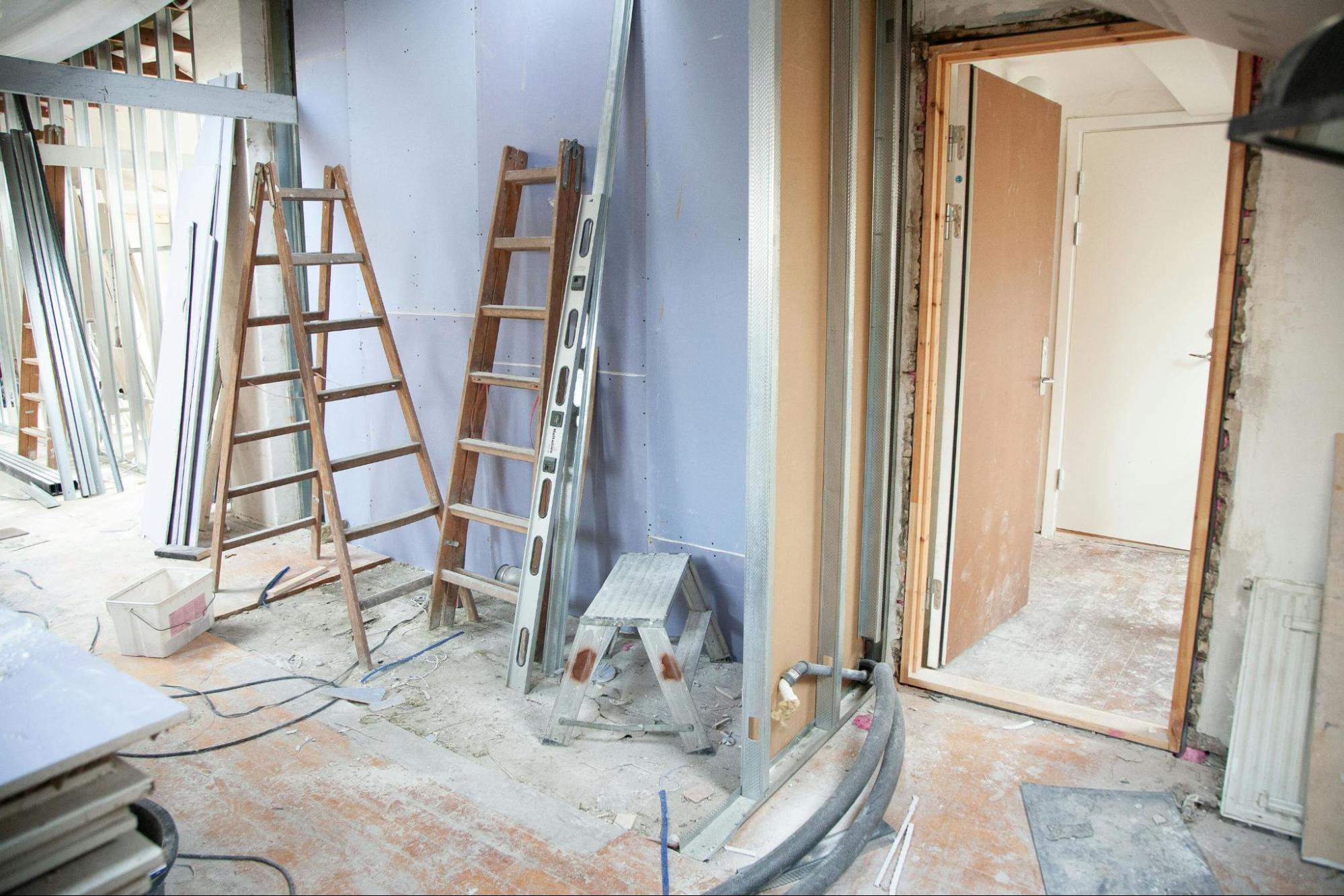
Renovation dust spreads everywhere. Establish a simple daily routine. Use a vacuum with a HEPA filter at the end of each workday. Wipe down your sealed plastic barriers. This prevents dust from traveling. Designate a single entry/exit point for workers. Place a heavy-duty tack mat there. This catches debris from boots. Hang plastic sheeting over doorways to contain dust in active work areas. Maintain a clear path for workers. This minimizes the chance of accidental collisions with your protected items. Consistency is key. Daily containment efforts make a monumental difference over time.
The Grand Reveal and Unpacking
The work is finally done. The tools are gone. Resist the urge to rip the plastic off immediately and let the dust settle for a couple of days. Then, carefully remove the sheeting outdoors. Shake off the dust outside your clean home. When bringing items back from storage facilities, clean them before re-entry. Wipe down each piece. Unpack boxes slowly and deliberately. This is your victory lap. Place each survived piece in its new home. You will appreciate them more. They are not just furniture anymore. They are veterans of the renovation wars. They made it through to enjoy the dream with you.
Your dream home is worth the temporary chaos. Protecting your furniture protects your investment and your peace of mind. A systematic approach turns a potentially stressful ordeal into a manageable process. Your belongings stay safe. Your sanity remains intact. Then you can truly enjoy your beautiful new space, surrounded by the familiar pieces you love.
