

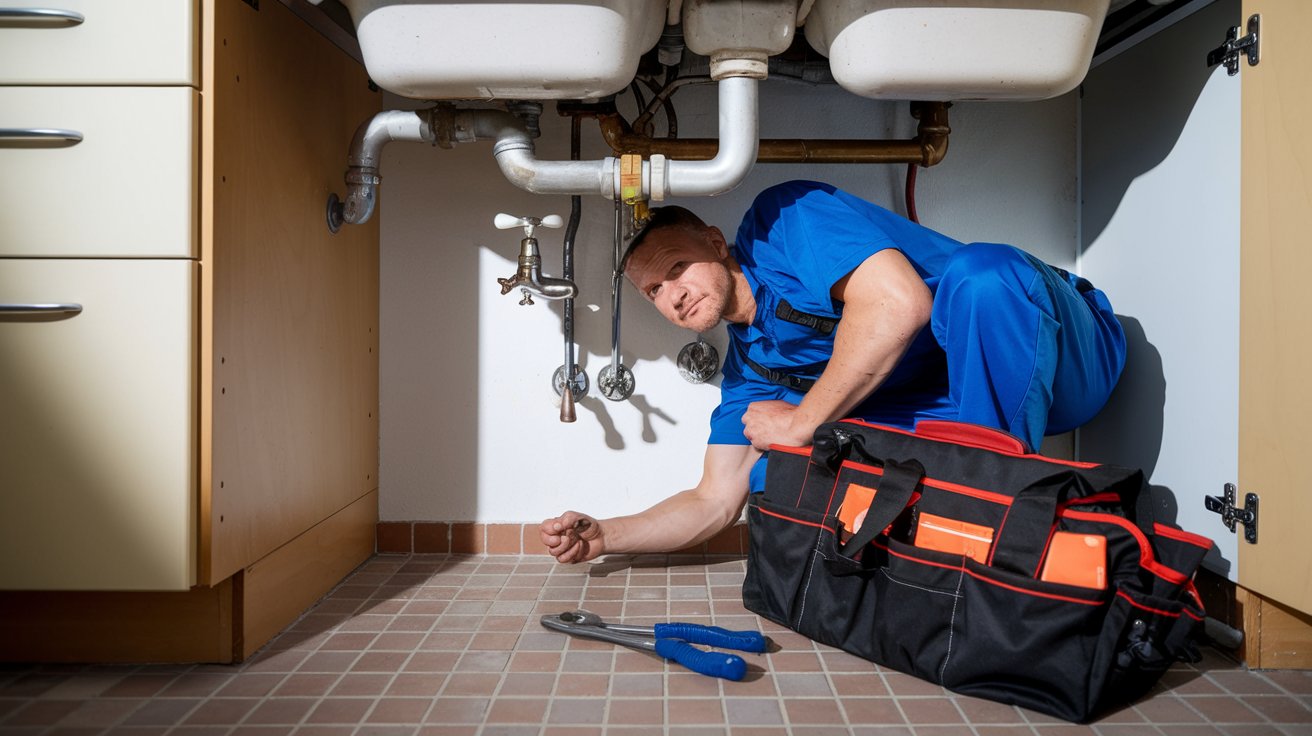
A well-maintained plumbing system supports a clean, comfortable, and safe home. When pipes, fixtures, and appliances receive proper care, they tend to last longer and work more efficiently. Minor issues also become easier to spot, which helps avoid costly repairs later. Regular upkeep makes a big difference, even when the tasks seem simple. This guide shares practical steps that help keep plumbing systems running smoothly for years.
Check for Leaks Regularly
Leaks are among the most common plumbing problems, yet they are often overlooked. Some leaks are easy to spot, such as dripping faucets, while others remain hidden behind walls or under sinks. Checking regularly helps catch them early, reducing the risk of water damage.
Start by inspecting visible pipes, faucets, showerheads, and valves. Look for moisture, rust, or small puddles. Even a slow drip can waste a surprising amount of water over time. For example, a faucet that drips once every few seconds can waste several gallons a day. Fixing leaks promptly improves efficiency and protects nearby surfaces from damage.
If water stains appear on ceilings or walls, it may point to a hidden leak. These require quick attention because they can weaken structures and promote mold growth. When stains or musty smells appear, the source should be investigated immediately. For complex or persistent leaks, seeking help from licensed plumbing specialists ensures the issue is handled correctly and prevents the problem from spreading further.
Clean Drains to Prevent Clogs
Clogged drains lead to slow water flow, unpleasant odors, and even backups. Keeping them clear helps the entire system work better. While clogs can happen in any home, preventive cleaning greatly reduces how often they occur.
Avoid flushing items that do not break down easily. Paper towels, wipes, cotton pads, and grease are common sources of blockages. Grease solidifies inside pipes, and wipes can get stuck with other debris. In the kitchen, scraping food waste into the trash before rinsing dishes helps prevent buildup in the sink.
Using drain strainers is another helpful step. These small screens catch hair, soap residue, and food particles before they enter the pipes. Empty them regularly to maintain good water flow. If a drain begins to slow, a simple mixture of warm water and mild soap or baking soda can sometimes help loosen small buildups. This keeps drains working smoothly without the need for harsh chemicals.
Maintain Proper Water Pressure
Water pressure affects both comfort and plumbing performance. When pressure is too high, it can strain pipes and fixtures, causing leaks or premature wear. When it is too low, daily activities like showering or washing dishes become difficult.
A pressure gauge can show whether the home’s pressure is within a safe range. Most homes operate best around 40 to 60 psi. If it goes above this range, a pressure-reducing valve may be needed. High pressure not only damages pipes but also increases water usage. Keeping pressure regulated supports both efficiency and longevity.
Low water pressure can signal underlying issues. Mineral deposits, small leaks, or partially closed valves may be the cause. Identifying the source early helps prevent larger problems down the road.
Flush the Water Heater Annually
Water heaters play a major role in home comfort, and maintaining them keeps them efficient. Over time, sediment settles at the bottom of the tank. This makes the heater work harder, which can raise energy costs and shorten its lifespan.
Flushing the tank once a year helps remove sediment and maintain smooth performance. During the process, the heater is turned off, and a small amount of water is drained from the tank until it becomes clear. This simple task helps the appliance heat water more efficiently. Many homeowners are surprised by how much smoother the heater runs afterward.
Tankless water heaters also need maintenance, although the process is different. They may require descaling to remove mineral buildup. Following the manufacturer’s guidelines ensures proper care and consistent performance.
Protect Pipes From Extreme Temperatures
Pipes can expand, contract, and even burst when exposed to very cold temperatures. Protecting them helps prevent accidents, especially during winter. Insulating pipes in basements, attics, garages, and exterior walls reduces the risk of freezing.
During cold weather, keeping cabinet doors open under sinks allows warm air to reach the pipes. Letting faucets drip slowly can also relieve pressure in the system. These simple steps protect vulnerable areas and help avoid major damage.
High temperatures can affect pipes as well, especially if they are exposed to direct heat. Ensuring pipes are shielded or insulated helps maintain their durability in warmer environments.
Use Fixtures and Appliances Properly
Plumbing fixtures and appliances are designed to handle specific types of use. When overloaded or mishandled, they wear out faster. Simple habits can make a big difference.
Toilets should only handle toilet paper and human waste. Flushing anything else can cause clogs. Garbage disposals should not receive large quantities of food scraps at once. Running cold water while using the disposal helps keep the blades clean and efficient.
Washing machines and dishwashers also benefit from proper loading and regular cleaning. Many modern appliances have filters that need to be cleaned to maintain good water flow. Paying attention to these small tasks helps the entire system stay in good condition.
Install Water-Efficient Fixtures
Water-efficient fixtures reduce waste and improve performance. Low-flow showerheads, faucet aerators, and dual-flush toilets help conserve water without affecting comfort. Many of these fixtures are easy to install and work well in both new and older homes.
These upgrades support long-term efficiency and reduce utility bills. For example, a low-flow showerhead uses less water each minute while still providing a steady stream. Over time, the savings add up. Choosing efficient fixtures also reduces strain on the plumbing system since less water flows through the pipes overall.
Be Mindful of What Enters the System
Many plumbing problems begin with what goes down the drain. Oils, fats, coffee grounds, and fibrous foods can clog kitchen drains. Hair, soap scum, and small objects can affect bathroom pipes. Being mindful of these items reduces strain on the system.
Small habits can help prevent bigger issues. For example, wiping greasy pans with a paper towel before washing them prevents grease from entering the pipes. Installing hair catchers in showers prevents buildup over time. These simple steps support a cleaner, more efficient system.
Monitor Your Water Bill
An unexpected change in the water bill can signal a hidden issue. A sudden increase may indicate a leak or an appliance using more water than usual. Monitoring the bill each month helps catch problems early.
If water usage rises without explanation, inspecting fixtures and pipes is a good first step. Toilets, in particular, can have silent leaks that go unnoticed. Addressing these issues quickly protects both the home and the household budget.
Conclusion
A reliable plumbing system depends on regular care, early problem detection, and thoughtful daily habits. Small actions such as checking for leaks, cleaning drains, and protecting pipes add up to long-term benefits. Each part of the system works better when maintained consistently. The result is fewer repairs, lower utility costs, and a cleaner, safer home environment. With steady attention, any plumbing system can stay efficient and dependable for many years.
