

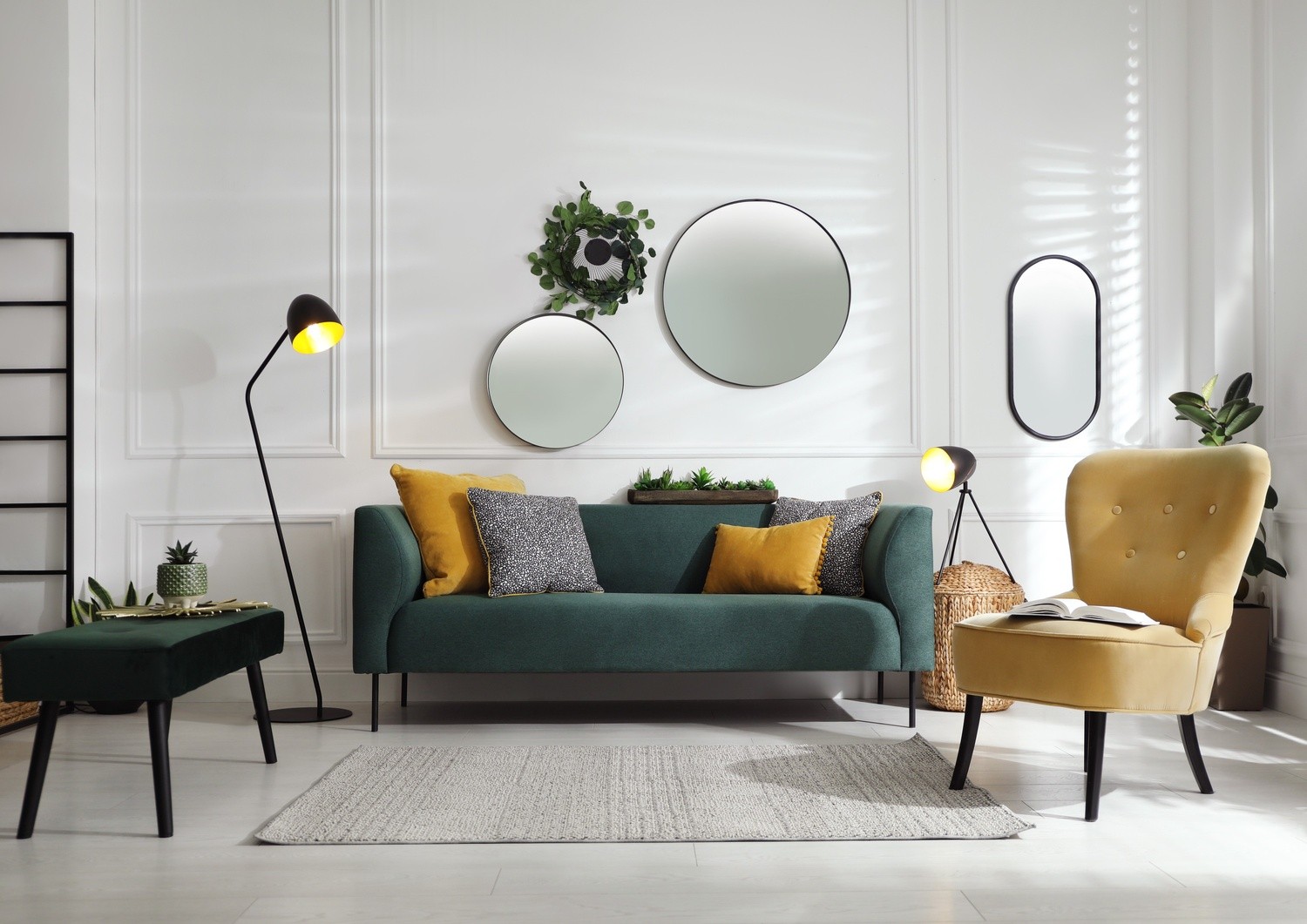
A living room handles a lot of activity in a typical day. It shifts from a spot for quick conversations to a place for resting, watching shows, or catching up with family. The way the room is arranged influences how comfortable those moments feel. Many people notice this when a sofa feels awkward to sit on during long evenings, or when lighting turns a corner of the room into a shadowy pocket. Practical furniture choices and supporting pieces can make the space more workable for daily use without shifting its overall feel.
Foundational Furniture Choices
Modern living room furniture sets the tone for the entire space. Sofas and sectionals usually take the lead, so many people start here. A compact sectional with a chaise can support lounging without overpowering a tight layout. A straight sofa works in long rooms or in layouts where walkways need to stay open. Seat depth, arm shape, and upholstery type influence comfort more than trending silhouettes, so pay attention to measurements and textures before settling on anything.
A coffee table often sits at the center of the room, and its placement affects how you move through the space. A round table suits households with kids or pets since the curve softens contact points. A long rectangular table helps when you often set down trays or laptops. Pick a surface that can handle everyday use, like wood, metal, or a durable composite.
A TV Stand also influences layout choices. A low, wide unit helps ground the setup, especially in rooms with large-format screens. A tall, narrow unit works in compact areas that need vertical storage. The scale of the stand should line up with the width of the screen to keep the arrangement visually balanced.
Lighting That Supports Everyday Use
Lighting shapes mood and function more than many people expect. Table lamps placed on side tables or console tables help fill darker pockets of the room. Aim for light that feels comfortable enough for reading and relaxed gatherings. A simple LED bulb creates steady illumination without heating up the area.
Natural light can be controlled with curtains or shades that soften brightness during the day. Thin fabrics distribute the light across the room, which helps prevent harsh glare on screens. In rooms with limited outdoor light, plug-in sconces provide height and directional focus. Light that spreads across different levels of the room creates depth without relying on complicated fixtures.
Comfort Layers That Add Warmth
Comfort-focused layers make a room more inviting, and you don’t need many elements to accomplish that. Throw pillows help adjust posture on deep seats. Use two or three pillows in mixed textures so the arrangement feels relaxed rather than rigid.
Throw blankets help during colder months or quiet evenings with a book. Fold one across the arm of a sofa or drape one over the back of an accent chair. These pieces introduce warmth without creating clutter.
Area rugs define conversation zones. A rug that extends under the front legs of your seating helps anchor the room. A low-pile option works in high-traffic areas, while thicker rugs feel comfortable underfoot near reading nooks or lounge corners.
Decorative Layers With Practical Roles
Indoor plants bring life into the room, and a few well-placed pieces can influence how the space feels. A tall plant in a corner helps fill negative space. A smaller plant on a side table adds a natural touch next to books or framed photos.
Wall art contributes personality. A single large piece above a sofa works in long rooms. A loose gallery arrangement suits layouts where you want more movement on the wall. Choose pieces that reflect your interests so the room feels lived in rather than staged.
Decorative objects fit into shelves, coffee tables, and consoles. A single bowl, a sculptural piece, or a stack of books adds character without overwhelming the surface. The arrangement should support daily routines rather than distract from them.
Accent Pieces That Pull the Room Together
Accent pieces help refine the space once the main furniture is in place. An accent chair can sit near a window or opposite a sofa, giving guests a comfortable seat without crowding the room. Look for shapes that complement the sofa rather than match it too closely.
Rattan swivel chairs introduce texture and movement. Many people use them near conversational areas since the turning base allows easy direction changes. Their airy frame helps keep the room feeling open, especially in tighter layouts.
Tabletop accents change the character of the setup in subtle ways. A stone tray, a wooden bowl, or a sculptural vase can complete a surface. Keep a little breathing room on each table so the space feels orderly.
Storage That Supports Daily Routines
Storage often determines how tidy a living room feels. Baskets can hold blankets, chargers, or kids’ toys. A closed cabinet near the seating area helps hide remote controls, board games, or seasonal items. Open shelves work best when filled thoughtfully. Mix books, framed photos, and a few small accents to avoid a cluttered look.
A compact sideboard fits along a wall and can store items you need but don’t want visible. Drawers offer space for documents, cords, or craft materials. Doors can hide larger items like gaming consoles or equipment you use occasionally.
Practical Design Habits That Keep the Room Functional
Interior design works best when it supports real habits. A simple weekly reset helps keep the room organized. Many people clear surfaces, adjust pillows, and gather out-of-place items during this quick routine. It allows the room to function without constant effort.
Furniture shopping goes smoothly once you have basic measurements. Measure the room, the walkways, and key wall sections. Bring the dimensions when you shop in store so you can compare proportions accurately. A photo of your current layout also helps you visualize changes while browsing.
Lighting checks help maintain comfort across seasons. A quick look at bulbs, lamp placement, and curtain opacity keeps the room feeling balanced. Rotate accent pieces throughout the year if you enjoy seasonal shifts.
In Conclusion
A practical living room setup comes together through choices that support how you use the space each day. Focus on pieces that fit your layout, lighting that makes the room comfortable at different times, and accents that reflect your routines. Simple adjustments keep the space easy to maintain. A clear sense of your habits and preferences gives you a reliable guide when arranging furniture or updating accessories, so the room continues to suit your everyday needs.
