

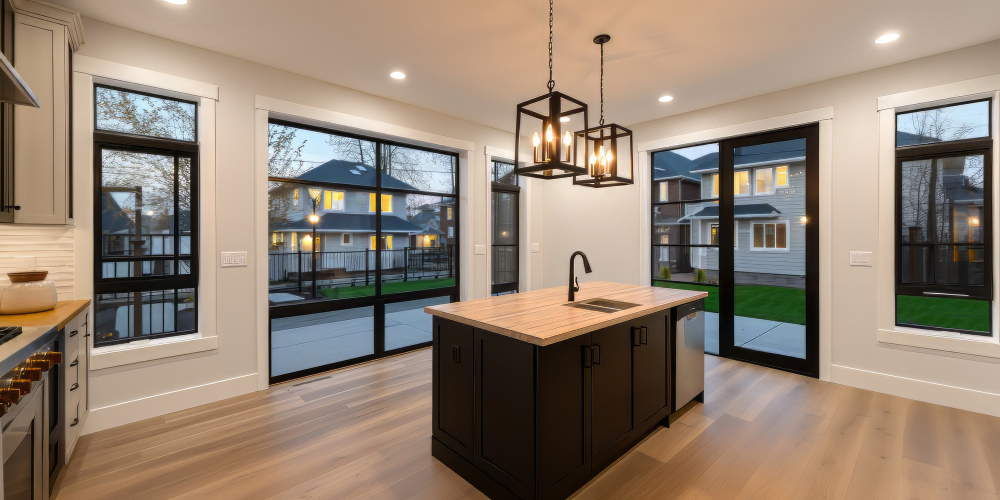
Buyers form an opinion about your home in the first few seconds, long before they reach the price or the room count. That opinion is shaped almost entirely by presentation, which is why sellers are told to style a home before listing it.
The problem is that “styling” has become shorthand for expensive staging, and many sellers assume it means spending thousands they would rather keep toward their next move. It does not have to.
A home that feels bright, spacious, and move-in ready is the result of deliberate choices far more than a large budget. This article shows you how to style a home you’re about to list without overspending, so the property presents at its best and holds its asking price without eroding the return you are trying to protect.
Start With What Buyers Actually Respond To
Buyers notice space, light, and cleanliness before they notice furniture or decor, and they register all three within moments of entering. An open, bright room reads as more valuable. A cluttered or dim one reads as smaller and harder to picture living in. Styling is the process of directing attention toward a home’s strengths rather than leaving them buried under decor.
Most of what shapes that first impression costs time rather than money. Letting in natural light, keeping the palette neutral, clearing floors and surfaces, and assigning each room one clear purpose all affect how a home presents. These are the fundamentals, and they require effort more than expense.
Declutter and Depersonalize First
Decluttering does a large share of the work at no cost. Personal photos, crowded shelves, and surplus furniture shrink a space visually and make it harder for buyers to place themselves in it. A home filled with another family’s belongings keeps the buyer in the position of a visitor. A cleared space allows them to picture their own belongings in it.
Work room by room and box anything you won’t need before moving. In a full room, removing a meaningful portion of the contents helps, because a space that looks comfortable to live in often looks crowded through a camera lens.
Spend Small Where It Shows
With the home cleared, a modest budget goes further when directed at the right items. The purchases worth making photograph well and refresh a room for little outlay.
- Fresh white bedding to reset the main bedroom
- A couple of large mirrors to bring in light and open up tight spaces
- Neutral cushions and throws for living areas
- Matching lamps for a consistent finish
- Live greenery or flowers for the day of the shoot
None of this needs to be bought new. Borrow accessories, source second-hand pieces you’ll use for only a few weeks, and avoid any large purchase made purely for the campaign. A home that looks intentional in photographs serves the sale better than one filled with new furniture you’ll move again once it sells.
Fix the Cheap Things That Cost You Buyers
Small faults do more damage than their size suggests. A scuffed wall, a dead light globe, or a loose cabinet handle signals larger neglect to a buyer, and that impression carries into other rooms. These fixes cost little, which makes leaving them undone the more expensive choice. Several low-effort repairs are worth handling before listing.
- Neutral paint over marked or scuffed walls
- Fresh globes so every room lights evenly
- Cleaned grout and silicone in kitchens and bathrooms
- Tightened handles, hinges, and anything that rattles
- A scrubbed entry that sets the tone from the front door
This is maintenance, not renovation, and the distinction matters for the budget. The purpose is to remove the small reasons a buyer might use to hesitate or negotiate down, rather than to improve the home.
Prioritize How Rooms Photograph
Buyers judge a home from the listing images before deciding whether to attend an inspection, so the photographs carry more weight than the in-person walkthrough. Direct that effort toward the rooms that anchor a listing, usually the living room, the main bedroom, and the kitchen. Buyers spend the most time on those images, and they often decide the inspection.
When to Bring in a Professional
DIY styling suits a lived-in home with existing furniture and enough time to do the work properly. It has limits. A vacant property has nothing to warm it and tends to photograph cold and empty. A higher-value listing is often held to a standard that borrowed items don’t reach. Some homes are furnished in a way that works against the sale, where the owner’s pieces date the space or crowd it.
In these cases, a professional stylist is worth considering. A stylist supplies rental furniture, an understanding of what local buyers respond to, and a level of finish that is difficult to assemble independently.
A service such as Spatial property styling handles full staging and furniture rental for sellers who want a professional finish without buying any pieces themselves. For a vacant or high-value home, this can be the difference between a listing that looks bare and one that looks considered.
A Simple Order to Work Through
Styling is easier to manage in sequence. Each step prepares the space for the one after it, so working in order avoids redoing effort or styling a room before it is ready.
- Declutter and depersonalize every room: Remove personal photos, surplus furniture, and anything on open shelves and benchtops. This sets the baseline for everything that follows, since you can’t judge what a room needs until you can see the room itself.
- Clean thoroughly, then handle small repairs: Do this while the space is still empty of distractions, so faults are easy to spot and reach. Cleaning first also shows you which repairs actually matter, as some marks wipe away and don’t need painting over.
- Make targeted purchases and place them: With the rooms clear and repaired, you can see what each space is missing and buy only for genuine gaps. Placing items now, rather than earlier, means they land in a finished room instead of one you’re still working on.
- Style the main rooms last: Leave the living room, main bedroom, and kitchen until close to the photography date. These carry the listing, and styling them last keeps them crisp for the camera rather than lived-in by shoot day.
Working in this order keeps each stage clean and prevents the common mistake of arranging or buying for a room that isn’t ready to show.
Endnote
Preparing a home for sale rewards attention more than spending. A seller can’t control the market, the timing, or what comparable homes are listed at, but the condition and presentation of the property sit entirely in their hands. That is where careful, low-cost work earns its place. A cleared, clean, well-presented home gives buyers fewer reasons to hesitate and a clearer picture to respond to.
