

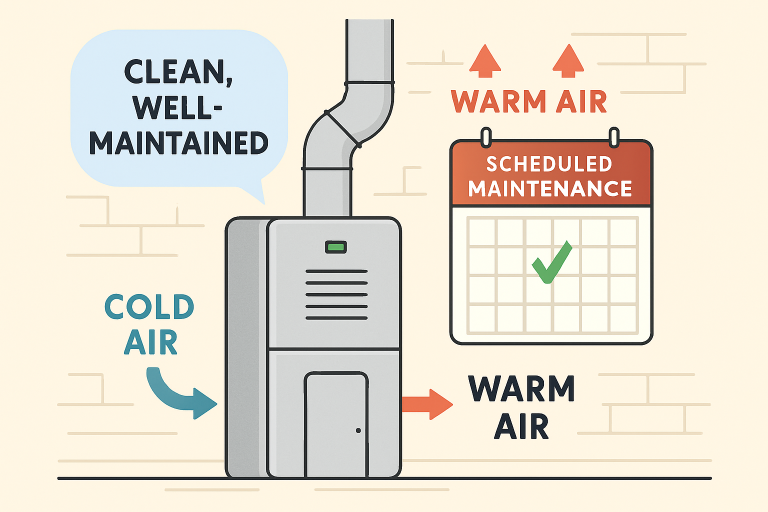
Keeping your home’s heating system in peak condition isn’t just about comfort—it’s a smart way to protect your investment, slash energy bills, and avoid sudden breakdowns. By scheduling routine care, you make your system more reliable, efficient, and durable. If you need professional assistance with heating repair in Princeton, NJ, enlisting expert help ensures your system continues to run smoothly and safely for years.
Regular checkups detect minor issues before they become expensive problems and maintain optimal airflow, keeping your family safe and healthy. From improving indoor air quality to maximizing every dollar spent on energy, savvy homeowners know that maintenance now prevents headaches later. Understanding how and why these steps matter will help you maximize the benefits of your heating system investment.
Enhancing Energy Efficiency
A heating system that receives regular maintenance—like filter replacements, duct cleanings, and system diagnostics—operates closer to its peak designed efficiency. Dirty or clogged components require the system to work harder, burning more energy and inflating utility bills. According to the U.S. Department of Energy, basic tune-ups can increase HVAC efficiency by as much as 15%, resulting in significant savings for homeowners throughout both winter and summer seasons. Not only that, but efficient systems also place less strain on power grids and are more environmentally friendly.
Annual servicing allows technicians to spot sources of wasted energy, such as leaky ducts, poorly calibrated thermostats, or restricted airways. Tackling these issues early helps ensure every dollar you spend goes toward productive heating, rather than being lost to inefficiency.
Preventing Costly Breakdowns
Regular maintenance is one of the most effective strategies for avoiding the stress (and expense) of unexpected heating failures. Minor issues—such as a frayed fan belt or a loose flame sensor—can go unnoticed until they cause a complete system shutdown. Emergency repairs are often more expensive and inconvenient, especially during cold snaps when HVAC companies are in high demand. Routine service visits offer an opportunity to address issues while they’re still minor and inexpensive to fix, thereby avoiding costly emergencies down the line. Homes that consistently maintain their heating units experience far fewer inconvenient breakdowns during the peak winter season.
Prolonging System Lifespan
Your heating system represents a substantial investment, so maximizing its useful life makes solid financial sense. Just as regular oil changes keep a car engine running longer, routine heating maintenance supports system longevity by minimizing wear and tear. Cleaning, lubricating, and inspecting key components ensures they operate smoothly, preventing minor mechanical wear from ballooning into system-ending failures.
Most well-maintained heating systems last between 15 and 20 years, delivering consistent comfort across multiple decades. Conversely, skipping inspections or tune-ups can significantly shorten this timeline, resulting in the need for earlier—and more costly—replacement. Protect your investment through regular, professional care.
Improving Indoor Air Quality
Every time your furnace or heat pump cycles on, it circulates air throughout your home—and with that air comes dust, dander, pollen, and other microscopic debris. Over time, these contaminants can accumulate in the system and recirculate within your living space, triggering allergies or aggravating respiratory conditions. Professional heating technicians remove these pollutants by replacing filters, cleaning ducts, and inspecting ventilation pathways. Improved air quality not only benefits your health but also enhances the performance and efficiency of your heating system by eliminating obstructions and improving airflow.
Ensuring Safety
Most heating systems, particularly those using gas or oil, can pose serious hazards if not properly maintained. Issues such as cracked heat exchangers, blocked flues, gas leaks, or faulty electrical connections can pose risks of fire, carbon monoxide exposure, or system failure. During a routine maintenance visit, technicians conduct safety inspections and test essential controls to ensure detectable and undetectable dangers are identified before they have a chance to harm residents. For families with young children, seniors, or vulnerable individuals, these safety checks are particularly crucial in maintaining a protected and worry-free home environment.
Recommended Maintenance Tasks
Regular maintenance is more straightforward than it sounds, especially when you know which tasks to prioritize:
- Replace Air Filters: Swap out filters every one to three months, especially during periods of heavy use, to help maintain optimal airflow and trap dust.
- Annual Professional Inspections: Schedule service from an HVAC expert once a year for in-depth checks, diagnostics, and cleaning.
- Clean Ducts and Vents: Remove dust, hair, and debris at least seasonally to maintain strong airflow and healthy air.
- Calibrate Thermostats: Confirm your thermostat accurately measures and regulates temperature to prevent wasted energy.
- Lubricate Moving Parts: Keep motors, blowers, and bearings properly lubricated to ensure smooth operation and prevent metal fatigue.
Conclusion
Proactive heating maintenance rewards homeowners with more reliable comfort, cleaner air, lower energy bills, and significantly fewer repair costs throughout the system’s lifetime. Regular service isn’t simply a suggestion—it’s a proven strategy for guarding your investment and safeguarding your home’s environment. By booking routine inspections, responding quickly to minor issues, and following best practices for system care, you’ll enjoy steady warmth each winter and a long-lived, trouble-free system for many seasons to come.
