

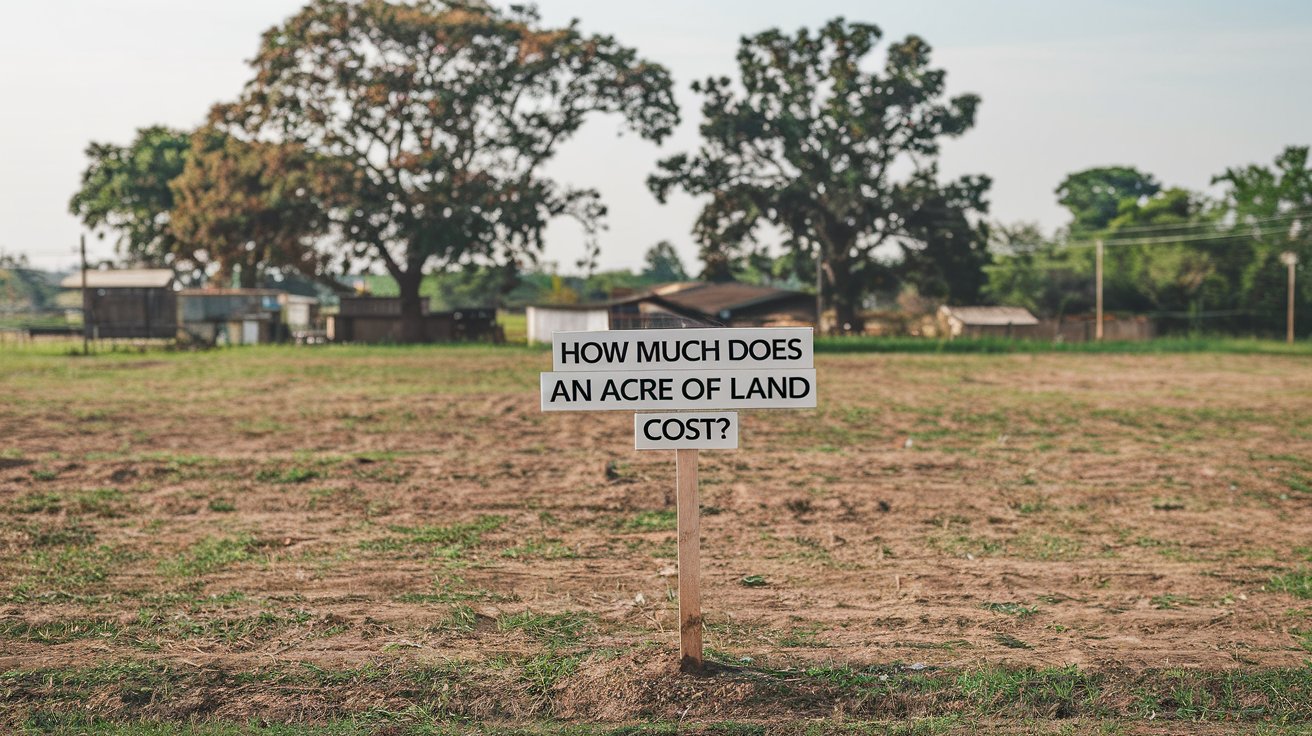
Buying land is one of the most exciting steps in creating your dream property-whether you’re planning to build a custom home, invest long-term, or add an ADU for future income. But before any plans can move forward, one key question always comes first: How much does an acre of land cost?
The truth is that land prices vary dramatically across the U.S. depending on location, zoning, access to utilities, buildability, and surrounding development. This guide breaks down what you can expect to pay, what influences the price, and the hidden expenses many buyers overlook.
The Average Cost of an Acre of Land in 2025
National Low-End to High-End Range
While national averages exist, they’re not very helpful without context. Instead, it’s better to understand ranges:
- Rural areas: $2,000-$15,000 per acre
- Suburban outskirts: $15,000-$150,000 per acre
- Metro-adjacent or premium locations: $150,000-$500,000+ per acre
These ranges reflect demand, zoning, and development activity. The closer you are to major cities or desirable amenities, the higher the price.
Why These Numbers Vary So Widely
Land isn’t a standardized product. Prices fluctuate based on:
- Surrounding development
- Future growth projections
- Local job markets
- School districts
- Available infrastructure
Two acres of land only 10 miles apart can differ in value by over $100,000 depending on these factors.
What Determines Land Price? (Major Cost Factors)
Location, Location, Location
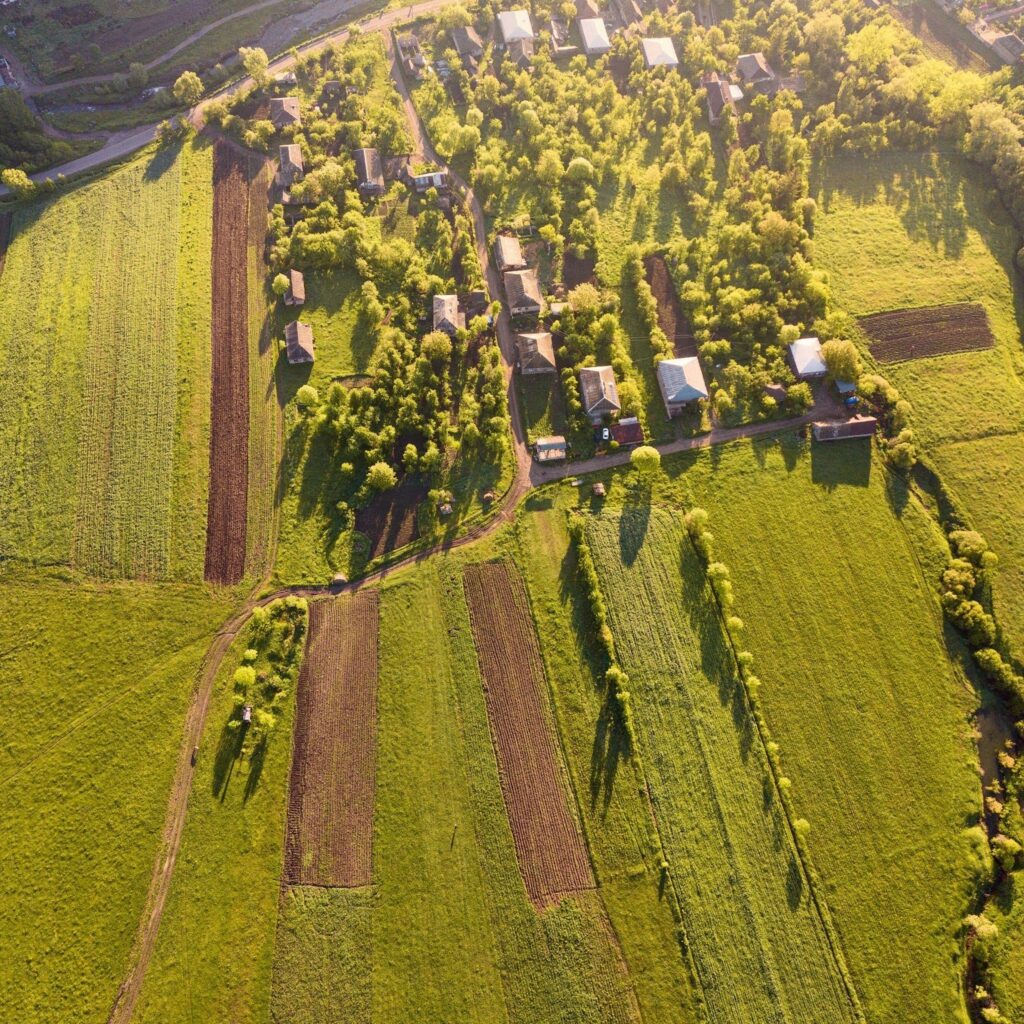
State and regional differences play the biggest role in cost. Land in high-growth states or near desirable coastlines commands significantly higher prices. Meanwhile, rural areas with minimal infrastructure remain much more affordable.
Zoning & Permitted Use
Not all acres are equal. Zoning dictates what you can legally build. Common zoning types:
- Residential
- Agricultural
- Commercial
- Rural / mixed-use
Residential and commercial-zoned lots almost always cost more than agricultural land due to development potential.
Utilities & Infrastructure Availability
One of the most overlooked cost drivers is whether the land already has:
- Water
- Sewer or septic access
- Electricity
- Natural gas
- Internet
Land without utility access is cheaper upfront but more expensive to make build-ready.
Terrain, Soil Quality & Buildability
Sloped land, clay-heavy soil, floodplain zones, and rocky areas all add complexity and cost to future construction. Buyers planning to build a custom home often consult professionals such as Skyline Design Build, a full-service custom home builder that handles site evaluation, architectural planning, engineering, and ground-up construction. Their team assesses soil stability, foundation requirements, and overall site feasibility before purchase-ensuring the land can safely support the home a buyer intends to build.
Environmental & Legal Restrictions
These include:
- Wetlands
- Conservation zones
- Flood zones
- Easements
- Right-of-way access
Compliance with environmental regulations can significantly impact development cost and timeline.
Cost Differences by Type of Land
Residential Lots
These are typically build-ready with existing street access and nearby utilities. Expect to pay more for convenience and location.
Agricultural or Farmland
Generally more affordable, though prices increase if soil is highly productive or irrigation is already available.
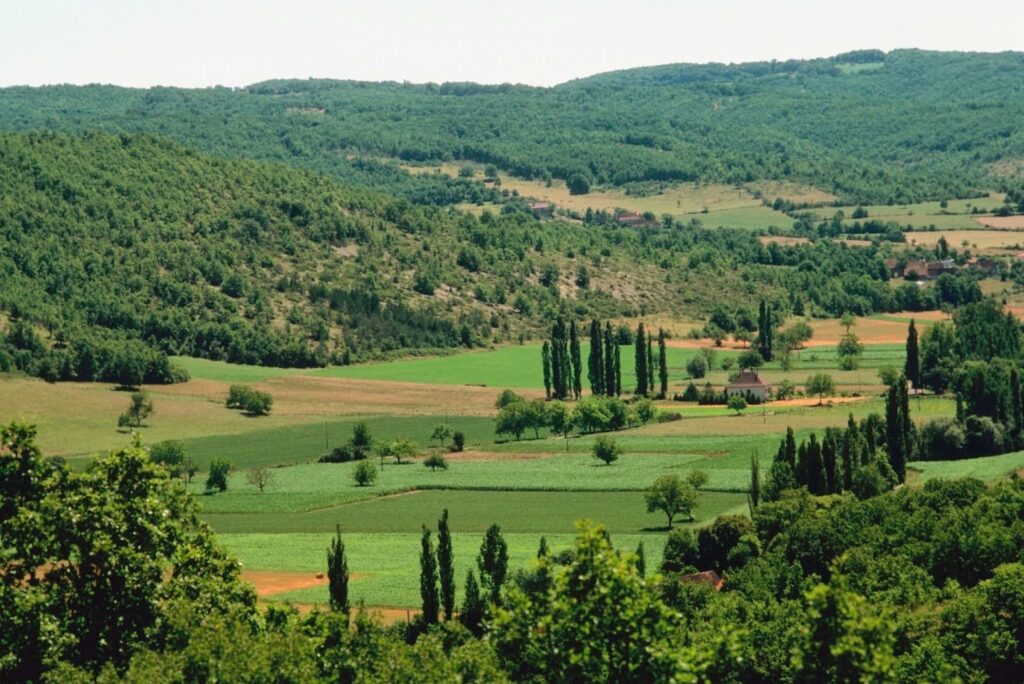
Rural Undeveloped Land
Cheapest per acre but requires extensive preparation-utilities, driveways, grading, and sometimes permits for clearing vegetation.
Commercial Land
Command the highest price due to revenue-generating potential.
Hidden Costs Homebuyers Often Overlook
Land Clearing & Grading
Removing brush, trees, or leveling slopes can cost thousands depending on the condition of the property.
Septic System or Sewer Tie-In Costs
If sewer access is unavailable, septic installation can cost anywhere from $5,000 to $25,000 depending on soil type and system size.
Road Access & Driveway Installation
A gravel driveway may be affordable, but a long asphalt driveway can dramatically increase costs.
Permits & Impact Fees
Local municipalities often charge fees for development, utilities, and environmental reviews.
Preparing Land for a Custom Home or ADU
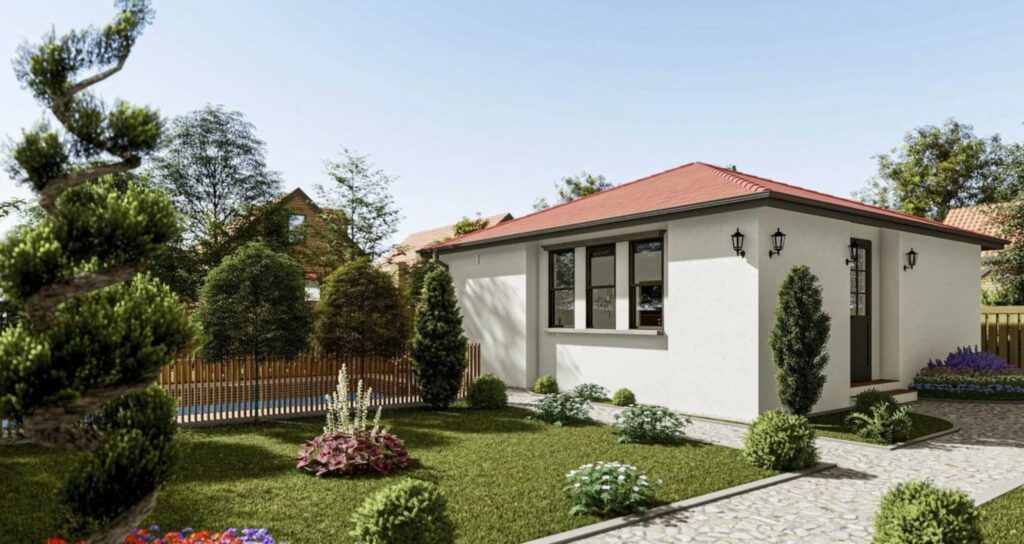
If the goal is to build an ADU or secondary structure, early planning is crucial. Working with an experienced
ADU contractor helps homeowners understand minimum lot size requirements, utility placement, and city regulations-ensuring the land can legally support an ADU before construction begins.
How Much Land Do You Actually Need?
For a Custom Home
- Most custom home builds require:
- Adequate space for setbacks
- Room for driveways and garages
- Space for septic systems (if needed)
- Outdoor living areas
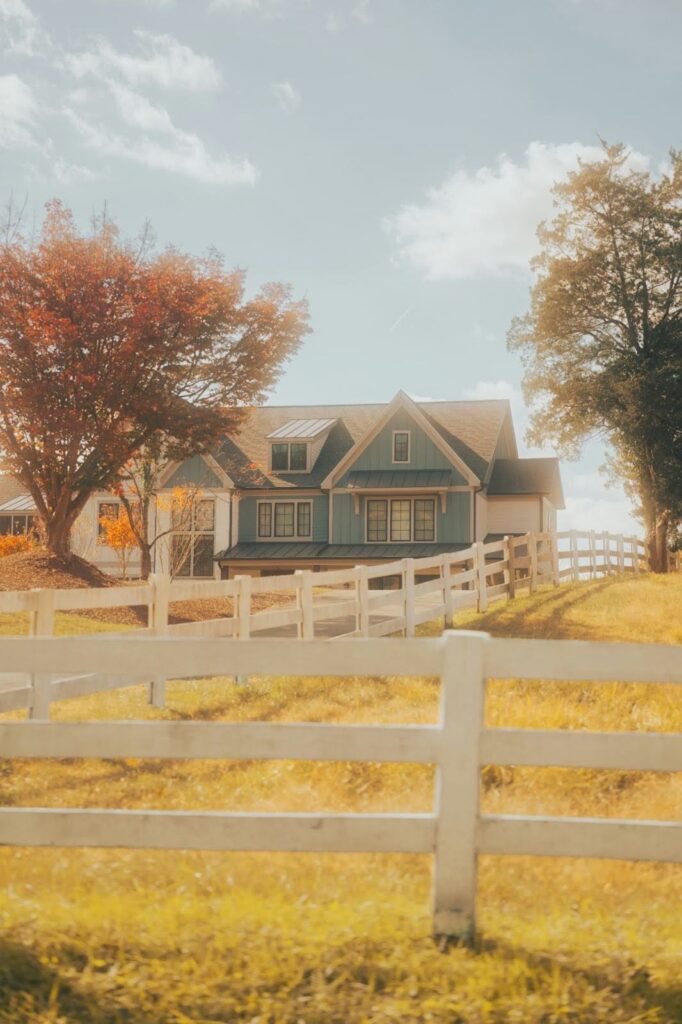
A single acre is often more than enough for a large custom home in most markets.
For an ADU or Rental Unit
Lot size minimums vary widely by city. Some cities allow ADUs on lots as small as 3,000-5,000 sq ft, while others require more space.
For Farming, Recreation, or Investment
Agricultural use may require multiple acres. Recreation (gardens, workshops) can be done on smaller parcels.
Should You Buy Raw Land or Build-Ready Land?
Pros & Cons of Raw Land
Pros:
- Much cheaper
- Flexible use
- Great for long-term investment
Cons:
- Requires utilities installation
- May need expensive grading
- Slower build timeline
Pros & Cons of Build-Ready Lots
Pros:
- Faster construction
- Lower prep costs
- Easier financing
Cons:
- More expensive upfront
Long-Term Value Differences
Build-ready lots tend to appreciate faster because infrastructure and zoning clarity reduce risk.
How to Evaluate Whether a Land Deal Is Good or Overpriced
Compare Local Price Per Acre
Use recent sales, MLS listings, or county records for accurate comparisons.
Check Utilities, Soil, and Buildability
Skipping due diligence can lead to costly surprises later.
Factor In All Development Costs, Not Just Land Cost
A cheap parcel that requires $40,000 in prep work may not be a good deal compared to a more expensive build-ready lot.
Conclusion
An acre of land can cost anywhere from a few thousand dollars to several hundred thousand depending on location, zoning, utilities, terrain, and development potential. The key is understanding what you’re actually buying – not just the price per acre, but the buildability and long-term feasibility of the land.
With the right research and guidance from professionals, you can confidently evaluate land options and choose the perfect parcel for your future home, ADU, or investment goals.
