


The dream of owning a waterfront property—the tranquil views, the immediate access to boating, and the sheer prestige—often eclipses the unique maintenance realities of coastal living. For property owners dedicated to the meticulous detailing and preservation of their assets, the focus tends to be on visible elements: seawall condition, dock integrity, and the constant battle against salt-air corrosion on the exterior.
Yet, the most insidious threat to your property’s structural integrity and long-term financial valuation is often entirely invisible, occurring feet below the surface of the water you prize so highly. This threat is sedimentation, and without proactive maintenance, specifically professional dredging, the value of your high-end coastal home could be sinking faster than you realize.
This is not just a matter of environmental upkeep; it is non-negotiable financial maintenance. By understanding what lake dredging entails, how unchecked sediment accumulation directly devalues your property, and what signals indicate the time for action, you transform an understated service into a crucial component of your property management strategy.
Financial Penalty of Poor Water Quality
Dredging is the necessary process of removing accumulated sediments, muck, and debris from the bottom of a body of water; i.e. lakes, ponds, waterways. Over time, this buildup is unavoidable. It results from a cocktail of sources: fertilizer runoff from lawns, decomposing organic matter like dying plants and animals, and dirt eroded from the shoreline.
As this material settles, it decreases the water depth and water clarity. This is where the direct financial penalty hits your asset. Research has demonstrated a powerful correlation between water health and property appraisal: a single one-meter drop in water clarity can correlate with a significant 10% to 15% reduction in the value of connected waterfront properties.
When sediment is allowed to accumulate, the water becomes murky and less appealing, directly impacting the aesthetic value that drew you and future buyers to the property. More critically, it restricts utility. Decreased water depth severely limits the navigability for boats and can make using a dock—a high-value amenity—difficult or impossible. By keeping your waterways clear of debris, pollutants, and excess sediment, dredging a lake or pond enhances the property’s accessibility and visual appeal, thereby sustaining its desirability and maximizing market value. In this context, dredging is not an optional expense; it is a critical investment to safeguard against quantified devaluation.
The Erosion Equation: How Sedimentation Undermines Your Land
While the aesthetic devaluation is immediate, the physical threat to your land is often more severe and permanent. Unmanaged sediment accumulation is a primary cause of shoreline erosion and land loss.
When debris and silt settle, they disrupt the natural movement of water and currents. This disruption can expose shorelines to increased erosive forces, leading to the permanent loss of usable land and undermining the foundation of critical protective structures, such as seawalls. The process is accelerated in high-erosion zones, where properties can lose an average of two to four feet of shoreline annually.
A diminishing shoreline is a compounding risk. It reduces the footprint of your property, makes water access from your dock more difficult, and crucially, exposes the home to potential water damage because the natural water flow off the property is disrupted.
By restoring proper water depth, lake dredging re-establishes healthy water flow paths. This proactive management helps decrease localized flood risk by maintaining the capacity of the waterbody to handle stormwater, which is a major benefit for buyers and a consideration for insurance. Dredging is the intervention that breaks this negative feedback loop, preventing both aesthetic depreciation and structural erosion risks, effectively protecting the physical boundaries of your investment.
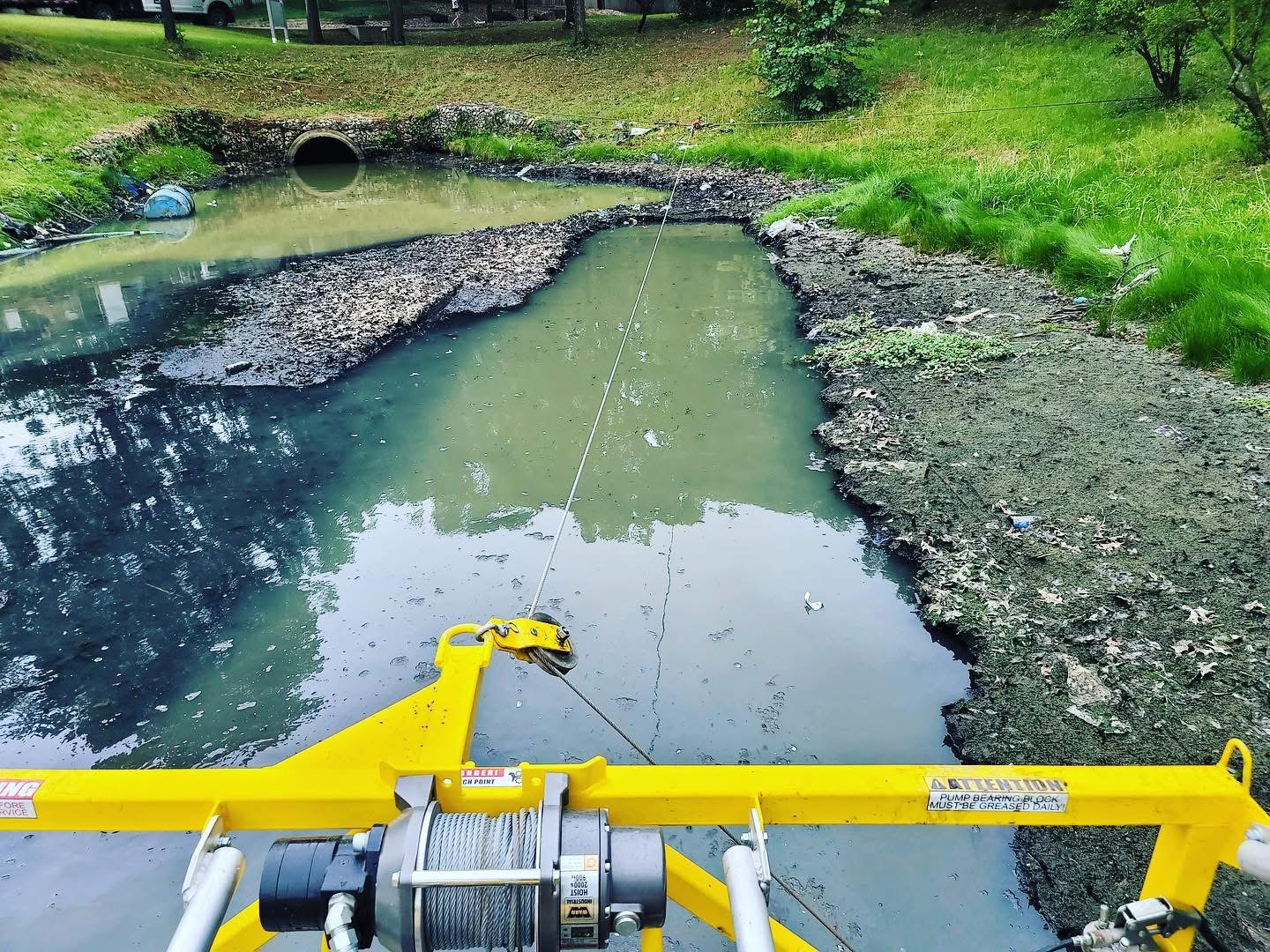
Homeowner’s Due Diligence: Recognizing the Five Warning Signs
For the meticulous homeowner, recognizing the earliest signs of sediment trouble is essential. Waiting for a critical access restriction means the problem is already well advanced. Look for these five critical warning signs that your lake requires professional dredging::
- Decreased Water Depth: This is the most measurable sign. If you notice previously deep areas are shallower, or if areas like coves or the head of a lake—which are typically the first to show problems—have noticeably reduced depth, sediment buildup is compromising the waterbody’s capacity.
- Visible Deterioration: The water clarity decreases. It may appear persistently murky brown or take noticeably longer to clear after rain or high winds compared to previous years. Poor water quality, which may include a foul, musty odor, indicates decomposing organic material (muck) at the bottom.
- Excessive Aquatic Overgrowth: Nutrient-rich sediment at the bottom of the water fuels the growth of algae and invasive aquatic plants. While some growth is natural, excessive or recurring algal blooms and weed infestations signal a nutrient imbalance directly tied to deep sediment levels.
- Access Restriction: Difficulty accessing the water at your dock, or if local boats that once passed easily through certain areas are now running aground or struggling, indicates restricted utility.
- Increased Flood or Overflow Risk: In stormwater management ponds or constrained residential waterways, sediment buildup reduces the waterbody’s ability to hold storm or floodwater, increasing the risk of overflow onto surrounding property.
To move beyond simple observation, professionals use tools like a bathymetric survey to conduct detailed depth and sediment surveys. These surveys measure sediment thickness across multiple points, creating maps that identify critical “hotspots” where sediment may comprise over 10% of the total water volume. This specialized diagnostic work ensures that any necessary dredging is targeted and maximally effective, restoring the correct depth while avoiding the risk of dredging too shallow or too deep.

Navigating the Regulatory Landscape: Permits and Partnership
For the sophisticated homeowner, understanding the regulatory framework is as vital as the maintenance itself. Lake dredging is not a simple DIY project; it is subject to rigorous oversight from federal, state, and local entities.
In the United States, you must secure permits from the U.S. Army Corps of Engineers (ACOE) under the Clean Water Act (CWA) and the Rivers and Harbors Act before any work begins. The most significant hurdle for homeowners is the permitting timeline, which can be broken into two categories:
- General Permit: Suitable for smaller, routine maintenance activities, these can sometimes be obtained in as little as a few weeks.
- Individual Permit: Required for new work or larger, more complex dredging projects, these typically involve an extensive governmental review process that can take approximately six months.
This is where the choice of a specialist partner becomes paramount. Look for a lake dredging company with deep expertise and resources, that is equipped to manage the administrative complexity of these multi-jurisdictional permits. By delegating this process to specialists, you eliminate administrative burden, mitigate timeline risks, and ensure the project is executed efficiently and legally.
Furthermore, because lake dredging often benefits multiple stakeholders—such as neighbors, a homeowners association (HOA) , or the municipality—the substantial cost of the service can frequently be covered by a mix of waterfront property taxes, neighborhood association dues, and city funds, making the overall investment far more manageable for the individual homeowner.
Conclusion: The Ultimate Detail for Waterfront Wealth
For the homeowner who sees their property as a detailed, long-term asset, incorporating professional lake dredging into the annual maintenance plan is simply unavoidable. This service moves beyond landscaping or aesthetic renovations; it is the ultimate preventative measure against documented property devaluation and irreversible land loss.
By proactively removing the hidden threat of silt and sediment, you are ensuring the water remains accessible, clear, and valuable. Do not wait until the murky water has already triggered a negative appraisal. To start the planning of your lake dredging project, contact a nationwide dredging company to learn exactly how to transform your property.
